Food can be technically “fresh” yet already halfway to the bin. On the shelf underneath, a yoghurt with a week left before its date looked… questionable. One fridge, one shop, completely different outcomes.
One shelf seemed safe; another felt like a food cemetery. Strangely, nobody had adjusted the thermostat. The number on its little dial had stayed unchanged for months. Still, cucumbers on the top shelf went limp within three days, whereas cucumbers from the same batch remained crisp on the middle shelf.
One morning, while watching a friend rearrange her fridge with near slow-motion care, I finally understood. She was not buying different groceries; she was simply using the fridge in a different way. Her method looked almost absurdly straightforward.
The “micro-climate” trick already hidden in your fridge
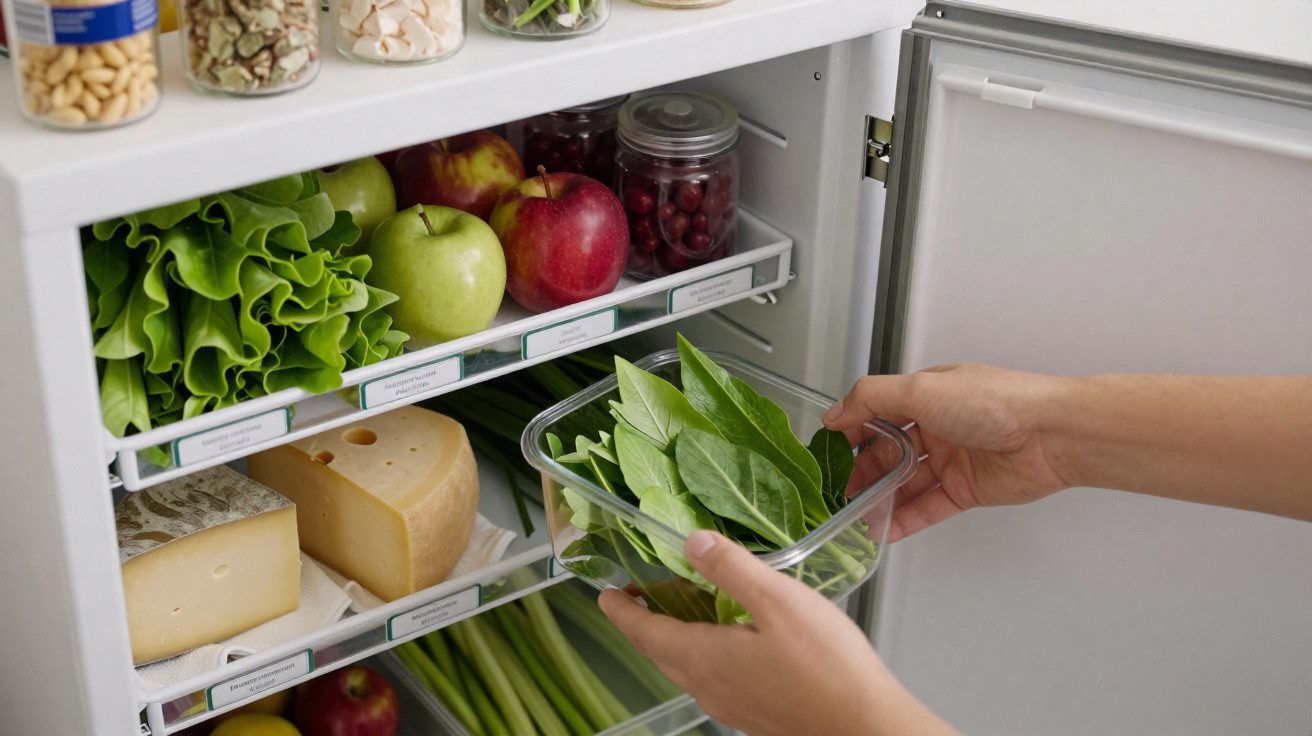
Most fridges are not equally cold throughout. Opening the door reveals a miniature weather chart: chilly patches, milder corners and damp areas. Once you notice them, they are impossible to ignore. Food is not merely stored in your fridge; it moves through several different climates.
The rear of the bottom shelf can sit just above freezing, while door compartments may approach room temperature whenever somebody reaches for the ketchup. That difference alone can silently take days off your food’s freshness. Milk in the door, salad on the top shelf and leftovers squeezed in wherever there is room… that kind of disorder costs money.
The basic way to slow spoilage is ridiculously simple: stop seeing your fridge as a box and start seeing it as a map. Keep delicate food in places with steady temperatures, and put resilient items where temperatures fluctuate. It is the same fridge and the same groceries, with hardly any change to your routine. The only choice is where each item belongs.
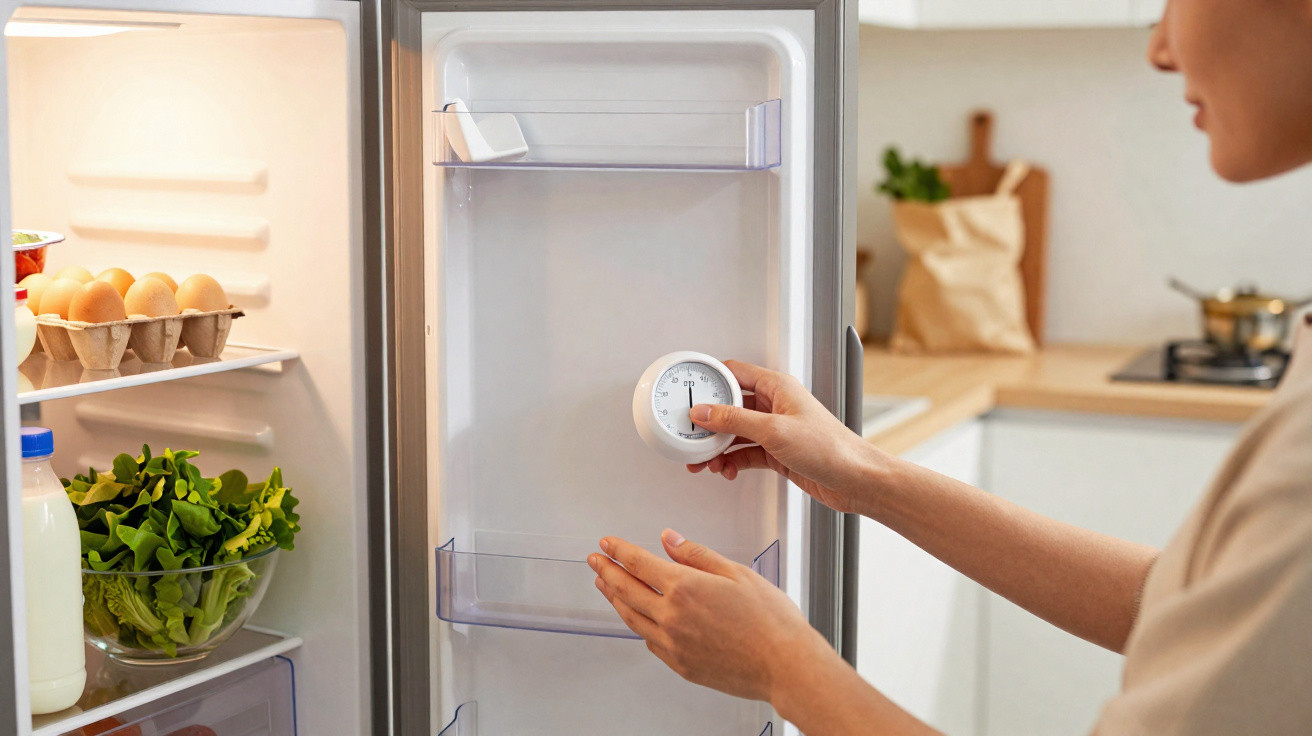
On a wet Tuesday in a compact Paris kitchen, I watched a chef friend carry out this process as though it were a ritual. She began not with food, but with a glass of water and an inexpensive fridge thermometer. She placed one on the top shelf, another in the middle and another in the door. Then she shut the door, made coffee and waited.
Thirty minutes later, we looked at the readings. The top shelf was 7°C; the middle shelf measured 4°C; and the back of the bottom shelf was close to 1°C. Every time the fridge was opened, the door shelves shifted between 6 and 10°C. That was almost 9 degrees of variation within the same appliance. She smiled, pointed at a punnet of raspberries and said, “Guess where these are not going.”
She put her most delicate foods - berries, fresh herbs and homemade sauces - in the coldest stable area: the back of the middle shelf. Dairy products and leftovers sat nearby. Eggs and condiments moved into the door, remaining stoic and untroubled. A week later, her raspberries were still firm and full. Mine, which had been kept “wherever there was space”, had gone off days earlier.
This is physics rather than magic. Food deteriorates more quickly as temperatures rise or vary. Microbes thrive on warmth and unpredictability. Each time the door opens, warm air from the kitchen enters, and the zones nearest the door are the first to heat up and cool down again. That is why milk stored in the door can turn sour sooner, even when its date suggests otherwise.
Keeping fragile foods together in the most stable area - generally the middle or lower rear shelves - greatly reduces those swings. The thermostat regulates that part of the fridge, not the door. In effect, you give greens and berries a quiet, cool “bedroom” rather than asking them to camp in a corridor. It means less stress for your food and fewer soggy disappointments for you.
The crisper drawers at the base introduce another factor: humidity. Store leafy greens and herbs there, provided the drawer is set to high humidity and is not crammed with fruit that gives off large amounts of ethylene, such as apples. This gas hastens ripening. Combine the wrong foods and your fridge becomes a slowly operating compost heap.
The fridge organisation trick that quietly adds days to food
The whole method can be summed up in one line: arrange your fridge according to fragility, rather than food type. Rather than thinking “all yoghurts together” or “all vegetables somewhere at the bottom”, ask which foods spoil first, then give them priority positions in the most stable cold area.
Begin with the truly delicate items: berries, cut fruit, leafy herbs, bagged salad and fresh cheese. They should go in the coldest stable place - normally towards the back of the middle shelf or on the lower shelf, away from light and the door. Next come dairy products, cooked leftovers, opened sauces and dips. These can share the same zone, but should not sit at the edge nearest the door.
Use warmer shelves and the door for foods that cope with temperature changes: unopened condiments, jams, eggs, butter and drinks. Treat the crisper drawers as “humidity stations”: one for leafy greens at high humidity, and the other for fruit that tolerates ethylene well. The aim is not flawless organisation, but a sensible direction. Every item should have a reason for being where it is.
In practical terms, this system only works if it feels easy. Make it too involved and you will abandon it by next Wednesday. Let’s be honest: nobody really does this every day. So focus only on the small changes that produce the biggest benefit.
Take milk and fresh cream out of the door and place them towards the back of a middle shelf. Put berries, salad and leftovers in that same “cold core”. Keep the top shelf and door for sturdier things: pickles, sauces, drinks, eggs and hard cheeses. This one rearrangement can already reduce spoilage without creating a single “new habit” in your day.
Certain mistakes are universal. Berries mould sooner when washed before storage. Closing warm leftovers in a container immediately creates condensation and turns it into a steam room. Packing the fridge too tightly prevents air from circulating, leaving some areas frozen while others are barely chilled. These issues do not require a lecture, merely gentler and more forgiving routines.
“The real shift isn’t buying special containers,” explains a London-based food waste researcher I spoke with, “it’s treating your fridge like a landscape with hot and cold spots. Once people see that, they naturally start placing foods where they survive longer. It becomes almost instinctive.”
To make that instinct simpler, it helps to keep a quick mental reference in mind while unpacking shopping. No spreadsheets are needed. Just use a small internal map that takes ten seconds to recall: resilient foods around the edges, delicate foods in the calm centre.
- Middle/back shelves: milk, cream, yoghurt, cooked leftovers, eggs in their box, delicate cheeses.
- Lower back zone: raw meat or fish in a covered tray (the coldest area, kept away from ready-to-eat food).
- Crisper drawers: leafy greens and herbs at high humidity; robust fruit and vegetables in the other drawer.
- Door shelves: condiments, sauces, drinks, jams and butter - foods that tolerate temperature fluctuations.
A small fridge shift that changes your perspective forever
There is something unexpectedly soothing about opening a fridge that has a clear logic. Delicate food seems almost sheltered, tucked into its cool, stable pocket. The unruly “anything anywhere” approach disappears, without turning your kitchen into a Pinterest display or your life into a cleaning timetable.
You begin noticing small successes. Spinach stays good for a week rather than lasting three miserable days. Half an avocado, brushed with lemon and sealed, still looks worth eating the next day. Yoghurt tastes the same on the final day of its date as it did on the first. These may be small, quiet gains, but they add up both financially and mentally.
At a deeper level, this approach encourages a different relationship with food. When you consider how strawberries breathe, how lettuce dislikes draughts and how chicken requires cold isolation, the fridge stops being a chilled box. It becomes almost a living system that you work with. On a busy Monday evening, that sense of calm order can feel strangely… kind.
We have all thrown away a container without opening it, hoping to avoid smelling the guilt. Organising your fridge by micro-climates will not eliminate those moments, but it can make them less frequent. There is less waste and fewer silent apologies to the bin. You may even find yourself discussing it with a friend, comparing your “coldest spots” as though they were secret maps.
The next time you return home with a bag of perfect raspberries or a fresh bunch of basil, you will know exactly where to put them - and why that quiet, deliberately chosen corner might provide two or three more days of real, living freshness.
| Key point | Details | Why it matters to readers |
|---|---|---|
| Map your cold and warm zones | Put a basic fridge thermometer or a glass of water on the top, middle and bottom shelves, as well as in the door, for 30–60 minutes, then compare the temperatures. Identify where the air is colder and steadier, usually in the middle/back and lower/back areas. | This gives you an accurate view of how your own fridge operates, so you can stop guessing and put delicate food where it can genuinely last longer. |
| Give delicate food the “VIP” spot | Keep berries, leafy greens, fresh herbs, soft cheeses and cooked leftovers on the coldest stable shelf, away from the door. Keep them easy to see, but sheltered from warm draughts and fridge light. | It slows mould, better preserves texture and can add 2–3 days to foods that usually spoil first - the items that feel most wasteful to throw away. |
| Use drawers for humidity, not habit | Set one drawer to high humidity for greens and herbs in loose bags or containers, and use the other for sturdy fruit and vegetables. Do not keep high-ethylene fruit, such as apples and pears, alongside delicate greens. | This reduces wilting and sliminess, keeps produce crisp and cuts out the weekly task of throwing away a forgotten, collapsed bag of salad. |






Comments
No comments yet. Be the first to comment!
Leave a Comment