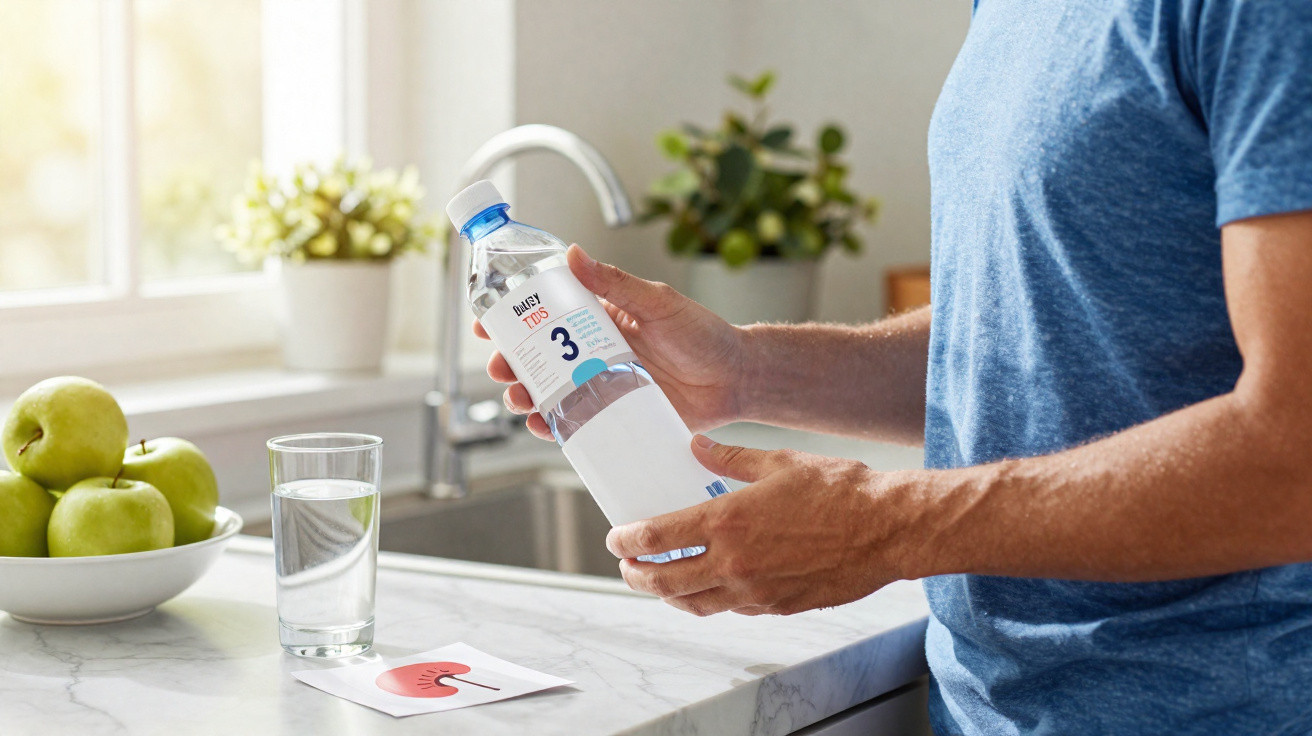
Some bottles are kinder to your body, while others can quietly increase the burden on your kidneys. Whether you have experienced kidney stones, live with high blood pressure or simply want to grow older without unnecessary trouble, what you choose to drink matters far more than the branding on the label.
The refrigerator at the petrol station opened with an icy hiss, revealing rows of shiny blue labels sparkling like jewellery. I reached first for “pure”, then “ultra”, then “mineral-rich”, as a friend messaged from urgent care about a kidney stone that felt “like a Lego through a straw.” When I asked the cashier about sodium and TDS, he simply shrugged; neither term meant anything to him. Most of us have faced that moment when an apparently easy choice turns into an exam for which we never revised. Turning over one bottle, I spotted a figure that raised my eyebrows: sodium, 48 mg/L. On a hot day, that can mount up quickly. Your kidneys register what you drink, even when you do not. The least suitable bottle may still look luxurious.
The hidden kidney burden on the label
Your kidneys work quietly, filtering dissolved substances throughout the day. Water containing more “stuff” - minerals, salts and additives - gives them more to deal with. The brand name will not alert you; the small print and its figures will.
Look out for three warning signs: high sodium, very high TDS (total dissolved solids), and questionable extras. The sodium issue is straightforward: greater intake means more sodium to remove and more fluid shifts to manage. TDS indicates how heavily mineralised the water is; when levels are extremely high, there is a reason it can taste “salty/metallic”. Then there are the modern contaminants, including microplastics and PFAS, which have no place in either the bottle or your body.
There is a pattern that is not often discussed. Water with TDS above 500 mg/L may taste “strong” because it genuinely is. Certain “mineral” waters fall between 700 and 1,500 mg/L, or even higher. Sodium levels also differ dramatically: plenty of bottled waters contain less than 10 mg/L, while others rise above 40 mg/L. Your kidneys can cope with this - until they cannot - particularly if you have hypertension, a history of stones or drink bottle after bottle following sweaty exercise. Your kidneys don’t get days off.
What it really means to strain your kidneys
Consider the dissolved load in your water. Each added milligram of sodium, sulphate or fluoride is another item your kidneys need to process. With very high TDS, urine may become more concentrated, giving crystals a more welcoming setting in which to form.
Anecdotes reflect the science. Some people who move to “mineral-rich” water mention fresh twinges in their flank or a saltier flavour, without making the connection to what is in the bottle. Major health organisations also emphasise that sodium raises blood pressure, making it an additional source of kidney strain. Several high-sodium bottles after a salty meal can create a neat little storm.
Context is important. Minerals themselves are not the enemy. Magnesium and bicarbonate may be helpful for people prone to stones, while moderate dietary calcium can reduce oxalate absorption. Problems arise at the extremes: exceptionally mineral-heavy water, sodium-rich “sports” drinks consumed as though they were ordinary water, sweetened or phosphate-heavy flavoured waters, or imports of uncertain quality with unclear reports. The label reveals whether you are approaching those extremes.
Choosing bottled water your kidneys will appreciate
Use a five-second label check. Look for TDS, sodium (mg/L), fluoride (mg/L), nitrate (mg/L), and a QR code or web link to the most recent water report. Target TDS of 100–300 mg/L, sodium below 20 mg/L, fluoride of roughly 0.2–0.7 mg/L, and nitrate at the lowest level available - ideally below 10 mg/L as nitrate. When a company publishes recent PFAS results showing “non-detect”, take that as a quiet positive sign.
Choose spring water with moderate mineral content, or purified water (RO/distilled) that has been lightly remineralised for flavour. Glass is preferable to plastic if you want fewer microplastic particles, while large reusable containers are better than small disposable bottles. Be sceptical of the “9.5 pH miracle” sales pitch: pH by itself does not make water safer. Avoid products “mineralized for taste” if they push TDS upwards. Where local water-quality reports are reliable, alternate with filtered tap water. Realistically, nobody manages that every single day.
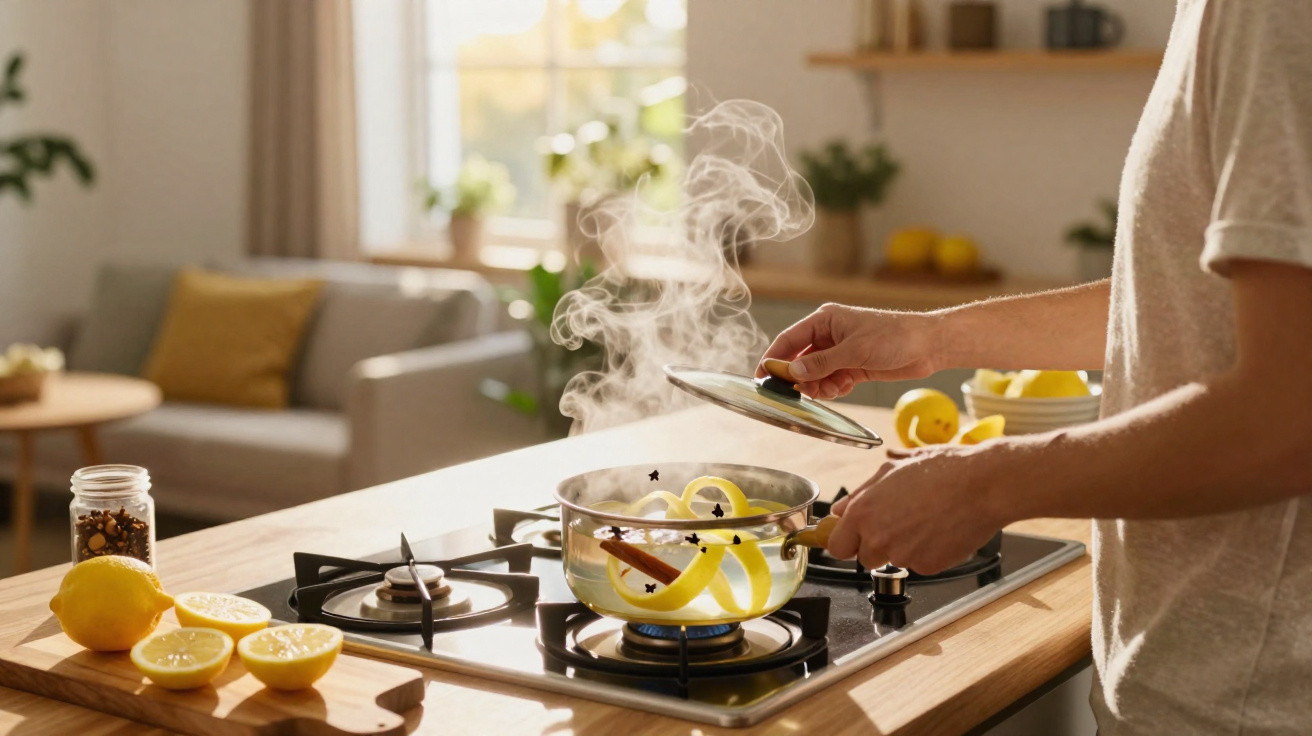
Read labels with consideration for your future self. If you are susceptible to stones, the best choice is often boring water, in the most positive sense. If you are controlling blood pressure, favour low sodium and spread your drinking over the day. For variety without extra baggage, add a squeeze of lemon or a sprig of mint.
“The best bottled water is the one your kidneys barely notice,” a nephrologist told me. “Low sodium, moderate minerals, and transparency over marketing.”
- Avoid as a daily choice: TDS > 500 mg/L, sodium > 50 mg/L, and sugary or phosphate-heavy flavours.
- Safer for daily drinking: TDS 100–300 mg/L, sodium < 20 mg/L, and current third-party or published PFAS tests.
- Better packaging: glass bottles or a steel refill bottle, rather than scratched single-use plastic.
- Check the report: use the QR code on the label, seek lot-specific information where possible, and make sure nitrate and fluoride are listed.
The bottle is not the entire picture
Hydration behaves a little like compound interest. Frequent, modest sips during the day are more effective than dramatic gulps late at night. When you are outside or sweating, alternate with a low-sodium electrolyte mix rather than relying on over-mineralised water.
Create a straightforward routine at home: use a good carbon filter for tap water, keep a stainless-steel bottle you enjoy using, and maintain a short list of low-sodium, moderate-TDS brands for when you are out. Save a photo of your preferred ranges on your phone, so you can make quick choices in the drinks aisle.
Whenever a label shouts “ultra”, I remember my friend’s urgent-care message. The kidney-friendly bottle is usually the one that makes no noise at all. Send your shortlist to the group chat, compare labels and be honest about what you are genuinely likely to drink. Those quiet decisions accumulate.
| Key point | Detail | Why it matters to the reader |
|---|---|---|
| Watch the numbers | TDS 100–300 mg/L, sodium < 20 mg/L, low nitrate, sensible fluoride | A quick rule of thumb for choosing a safer bottle in seconds |
| Ignore the hype | Disregard high-alkaline claims, “mineralized for taste”, and vague purity buzzwords | Helps you avoid marketing traps that may increase kidney workload |
| Packaging and proof | Choose glass where possible; seek recent water-quality and PFAS reports | Fewer microplastics and greater transparency |









Comments
No comments yet. Be the first to comment!
Leave a Comment