
Many people know the pattern: a strict eating plan, deprivation, brief success – then the yo-yo effect takes hold. The story of Tarah Blake Saylor from the US is different. She began at 84 kg and reached 57 kg after five months – without a “miracle pill” or an extreme diet plan. Instead, she changed three habits that almost anyone can fit into everyday life.
Moving away from deprivation: how Tarah Blake Saylor changed her food choices intelligently
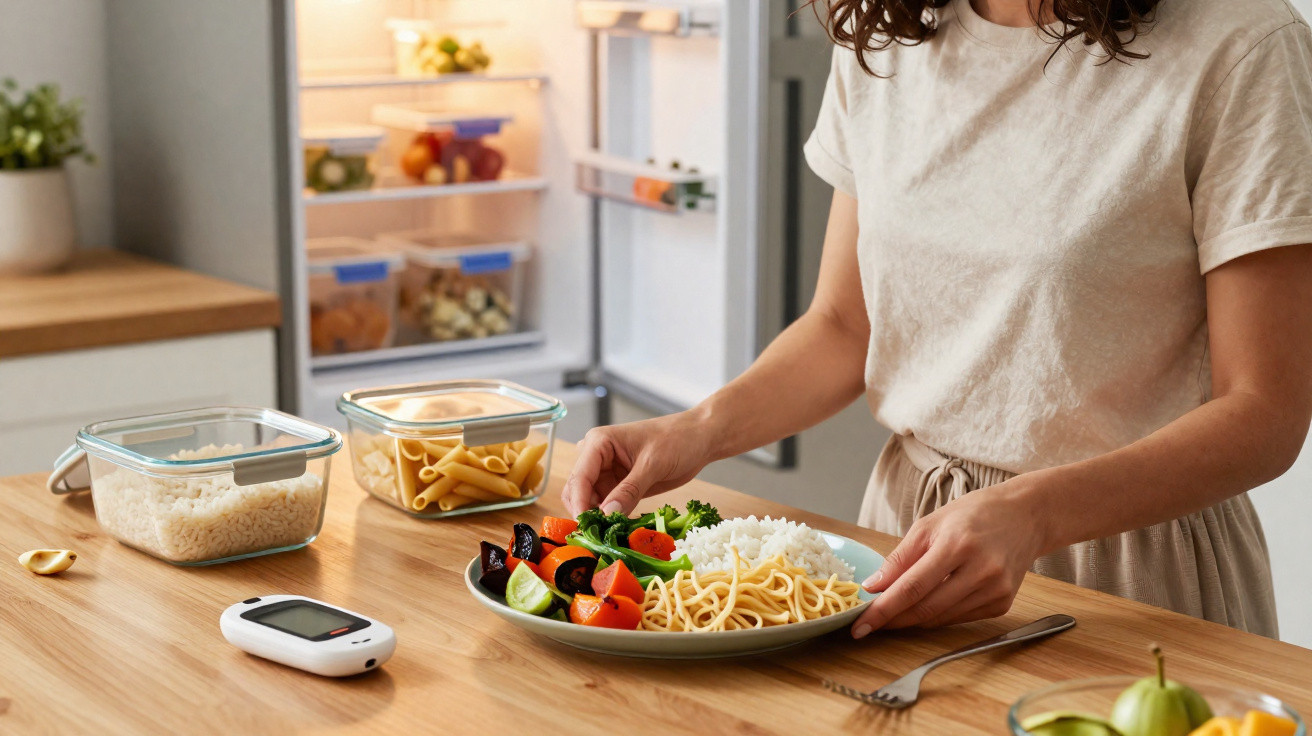
The first part of her transformation sounds almost too straightforward: she did not ban her favourite snacks. She swapped them. Tarah no longer wanted to feel guilty simply because she fancied something crunchy or sweet.
For her, the key was not prohibition but substitution: the same craving, different products and far fewer calories.
Rather than reaching for standard crisps, she chose lower-fat, higher-protein versions or oven-baked snacks. When it came to ice cream, she opted for varieties with less sugar, more protein or smaller portions. That allowed her to keep the sense of a treat without every indulgence undermining her progress.
What these smart swaps can look like
- Bagged crisps → oven-baked vegetable crisps, lentil or chickpea snacks
- Full-fat ice cream → protein ice cream, frozen yoghurt, or a small ice cream portion instead of a family-sized tub
- Sugary fizzy drinks → water with lemon slices, unsweetened iced tea, diet drinks in moderation
- A chocolate bar between meals → a piece of dark chocolate, nuts with berries
The psychological benefit is substantial: people who do not constantly feel that they are “not allowed” anything are more likely to stick with their plan for longer. That was exactly Tarah’s experience. Rather than cutting out something completely, she looked for a lighter alternative for almost every weakness.
Exercise that does not feel like exercise
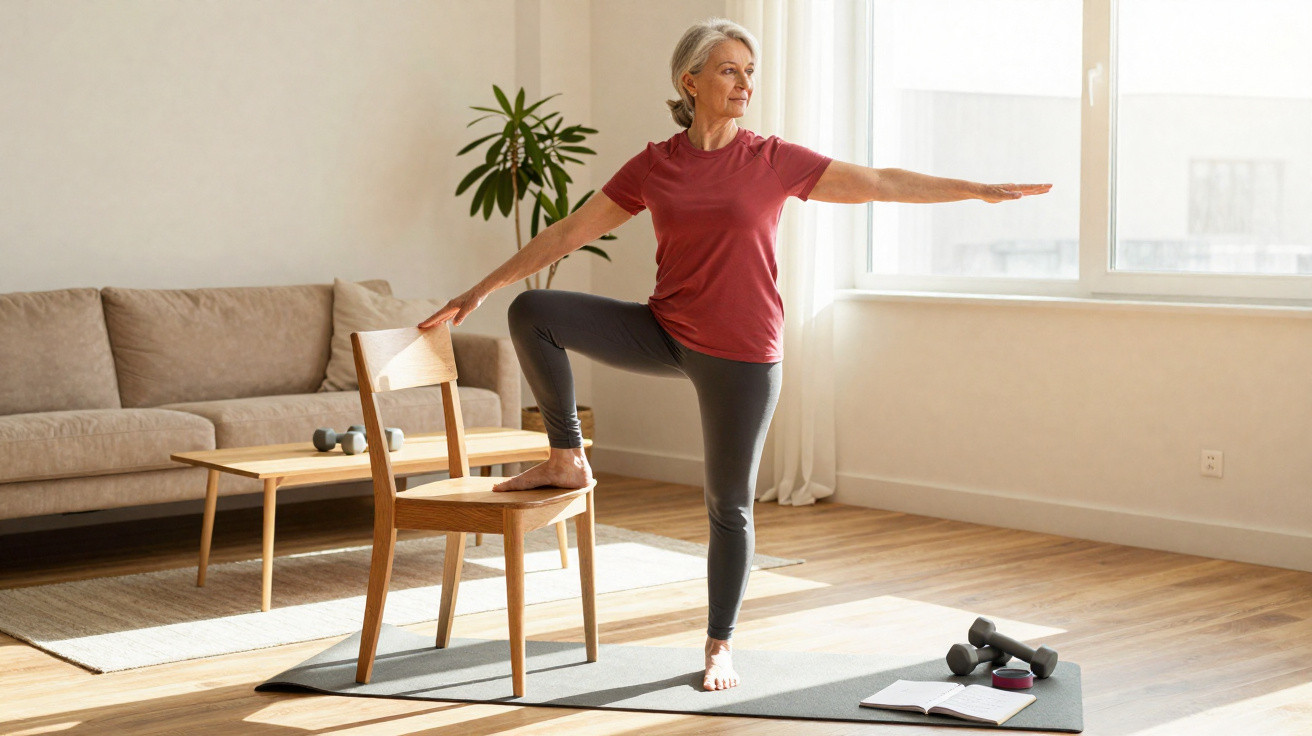
The second foundation of her success was more movement – but in a way that felt as unlike conventional training as possible. There was no forcing herself through a daily workout and no extreme 5 am routine.
She picked the time of day that fitted around her life. Sometimes it was after work, sometimes during her lunch break and sometimes late in the afternoon. The only important thing was that she did something active every day.
Her motto was: exercise must not feel like punishment. The less it feels like an obligation, the more likely you are to keep doing it.
One particular detail stands out: Tarah paired an everyday habit with gentle activity. She said she spent an hour on the treadmill each day while simply scrolling on her phone. Watching series, using social media and reading the news all happened on the treadmill rather than on the sofa.
Building movement into daily life without making a fuss
Here are several simple ideas along the same lines:
- Take phone calls while walking instead of sitting down
- Only watch episodes of a series while moving, whether on an exercise bike, stepper, treadmill or a walk
- Get off one stop earlier and walk the rest of the way
- Add brief stretching sessions or squats during breaks
Individually, these actions may seem unremarkable, but they add up. Anyone who includes an extra 20 to 60 minutes of light activity each day can burn hundreds or thousands of additional calories over several weeks without feeling as though they are at boot camp.
Using images and words: how a vision board reshaped her thinking
The third habit sets Tarah’s approach apart from many traditional weight-loss stories: she deliberately worked on her thoughts. A central tool was a so-called “vision board” – a motivational board that made her goals visible.
For example, she put up images of clothes she wanted to fit into again, alongside words relating to health, energy and wellbeing. The board was displayed somewhere she saw every day.
Whenever she felt the urge to buy a calorie-dense burger, she looked at her vision board first and asked herself: “Does this decision fit with the person I want to be?”
At the same time, she kept a journal. She regularly wrote to her “future self”, describing how she wanted to feel, the progress she hoped to make and what she wanted to look back on with pride. This technique helped her look beyond the next two days and focus on the person who would be standing in the mirror a few months later.
Why this kind of visualisation can genuinely help
From a psychological perspective, more is happening than might first be apparent:
- The goal stays visible: everyday life does not make you forget what you are working towards.
- Impulsive choices become more considered: a quick glance at the board can be enough to take a breath and make a different choice.
- Progress feels more tangible: the journal records what has changed, even when the scales are temporarily not moving.
Her mantra: every choice matters
Over time, Tarah developed a clear internal principle: nothing is irrelevant. Every small choice either takes you towards your goal or further away from it. Whether it is a snack, the lift or the stairs, the sofa or a short walk, it all counts.
She saw every choice as a decision for her present self – or against her future self. This viewpoint made her far more consistent.
Rather than allowing setbacks to discourage her, she asked herself: “Does what I am doing now serve the version of me that I want to become?” Gradually, this created a path – not a perfect plan, but a clear direction.
What her journey can offer for everyday life
Tarah’s story illustrates how powerful small, consistent changes can be. She combined three areas that reinforced one another:
| Area | Change | Effect |
|---|---|---|
| Nutrition | Replace favourite snacks with lighter options | Fewer calories, less sense of deprivation |
| Movement | Increase everyday activity without extreme exercise | More calories burned, better fitness |
| Mindset | Vision board, journal and a clear mantra | Greater motivation, less likely to give up after setbacks |
Anyone with similar aims does not need to copy her exact approach, but can use its principles as a guide. Rather than changing everything radically, it is possible to tackle one area first – such as swapping snacks. The next step could be a daily 20-minute walking routine, followed later by a simple visualisation practice.
The opportunities, limits and risks of this approach
This gentler route has obvious benefits: it is practical for daily life, avoids constant frustration and reduces the risk of quickly slipping back into old patterns. Many people can sustain moderate changes for far longer than very strict diet plans.
Even so, every body responds differently. Anyone with health problems, significant excess weight or who takes medication should discuss serious weight-loss goals with doctors and professionals in nutrition or sports medicine. A vision board is not a substitute for medical support, but it can be a useful addition.
What is particularly compelling about Tarah’s journey is the idea that change does not come from one huge, heroic step, but from hundreds of small decisions: choosing the lighter snack, stepping onto the treadmill instead of sitting on the sofa, or taking a brief look at the goal board before giving in. These unglamorous moments are what took her from 84 kg to 57 kg – and what makes her approach so relatable for ordinary everyday life.















Comments
No comments yet. Be the first to comment!
Leave a Comment