
Anyone who spends all day sitting will recognise the pattern: tired legs, a sluggish mind and evening cravings. The good news is that you do not need to become a marathon runner or buy expensive equipment. An Irish study shows that brief walks at particular times of day can significantly reduce blood sugar – without pushing yourself to exhaustion.
Why gentle walking is an overlooked health booster
Most people underestimate what simple movement can achieve. Anyone who spends long periods at a desk, in front of the television or gaming console particularly needs an easy, accessible way to get started. This is where a relaxed walk comes in.
Researchers at the University of Limerick in Ireland studied adults who spend much of their day sitting down. They wanted to find out what happens when people regularly break up sedentary periods with short movement breaks.
The research focused on what is known as cardiometabolic health – everything relating to the heart, circulation and metabolism, including blood pressure, blood sugar, blood fats and strain on the heart. Two groups were compared:
- People who sat almost continuously
- People who included short walks between sedentary periods
The findings clearly favour walking. Even brief, gentle bouts of movement get the circulation going without placing too much strain on the body. That is a particular advantage for beginners, people who are overweight and older adults.
Light walking breaks spread across the day reduced blood sugar by an average of 17 per cent compared with prolonged sitting.
Three ideal times to go for a walk
When blood sugar was considered, one finding stood out in the study: people who walked for a few minutes after eating had substantially lower readings than those who simply remained seated afterwards. The researchers identified three especially effective time windows:
- After breakfast
- After lunch
- After dinner
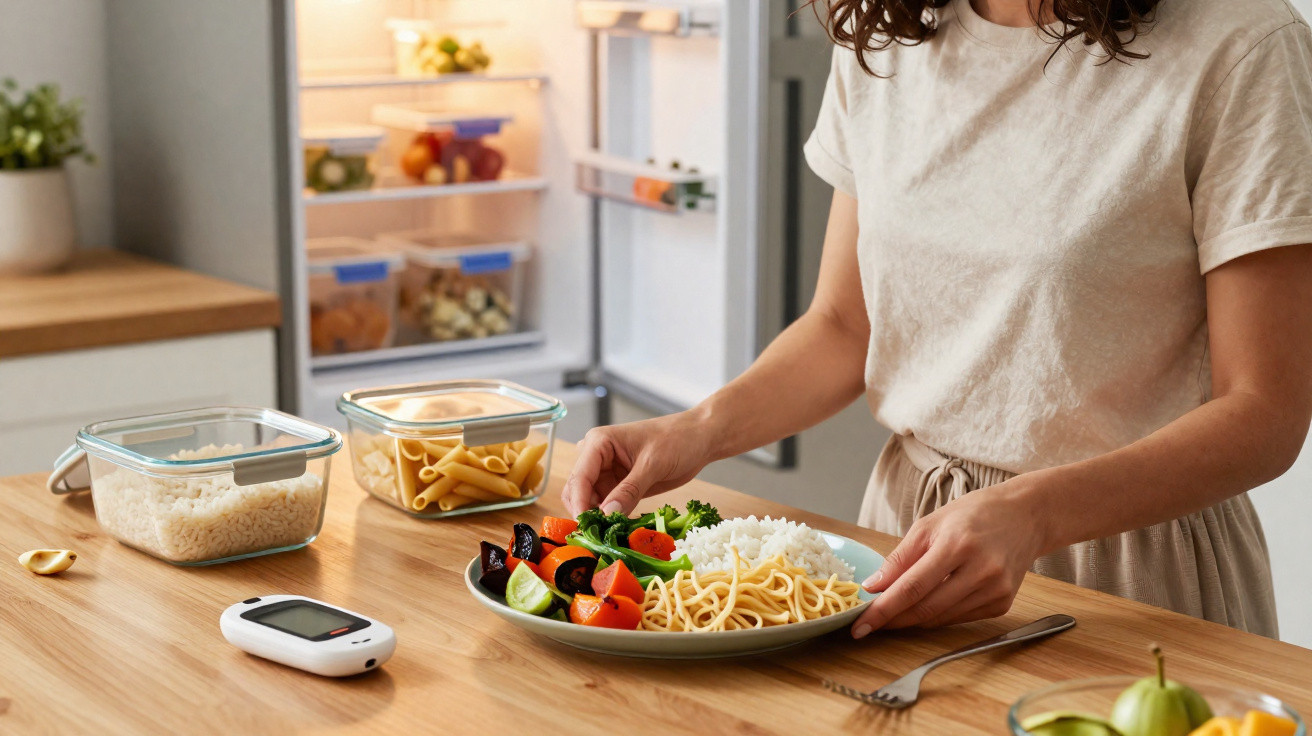
The reason is that blood sugar rises after every meal. The body releases insulin to move glucose into the cells. Taking a few steps during this period allows the muscles to contribute, drawing sugar from the bloodstream like a sponge. As a result, the usual blood sugar peaks are less pronounced.
Importantly, the study does not set a strict minimum length for each walk. The priority is not walking for a long time, but getting moving at all – ideally on a regular basis after every substantial meal.
How long should you walk after eating?
Experts often recommend a relaxed walk lasting 5 to 10 minutes immediately after a meal, or no later than 20 minutes afterwards. Making this a habit after breakfast, lunch and dinner can easily add up to half an hour – which is also roughly the target duration of the routine examined.
There is no need for high intensity. A brisk but still comfortable walk is entirely sufficient. You should be able to talk easily without becoming out of breath.
The 30-minute target: in small chunks rather than all at once
Many people are put off by the thought: “30 minutes of exercise a day – I’ll never manage that!” The Irish study greatly reduces that pressure. A daily target of around 30 minutes can be divided up with no difficulty.
A typical day might look like this:
- 7 minutes of walking after breakfast
- 10 minutes of walking after lunch
- 10–15 minutes of walking after dinner
This reaches the target without having to schedule a single dedicated “exercise session”. The movement simply fits into everyday life almost unnoticed.
Many short walks beat one long walk – especially for people who sit a lot and find it difficult to get moving.
There is also a practical benefit: people who do not return straight to their chair after eating often feel less sluggish, experience less fullness and are less prone to later cravings.
How walking supports the body
Walking helps on several levels at once, including:
- Blood sugar: Muscles need energy and draw glucose from the blood. The rise in blood sugar after meals is therefore more gradual.
- Blood pressure: Regular movement can help keep blood vessels more elastic and may lower readings over time.
- Cardiovascular system: The pulse rises slightly, allowing the heart to work without being overloaded.
- Joints and back: Long periods of sitting create stiffness. Walking loosens the hips, knees and spine.
- Mental wellbeing: A few minutes outdoors can reduce stress and often improve mood.
This combination is precisely what makes the approach so appealing. It is not about peak performance, but small and consistent prompts for the body.
Everyday tips: making walking a habit
The biggest obstacle is often not physical but mental. A few simple routines can make it easier to stick with it:
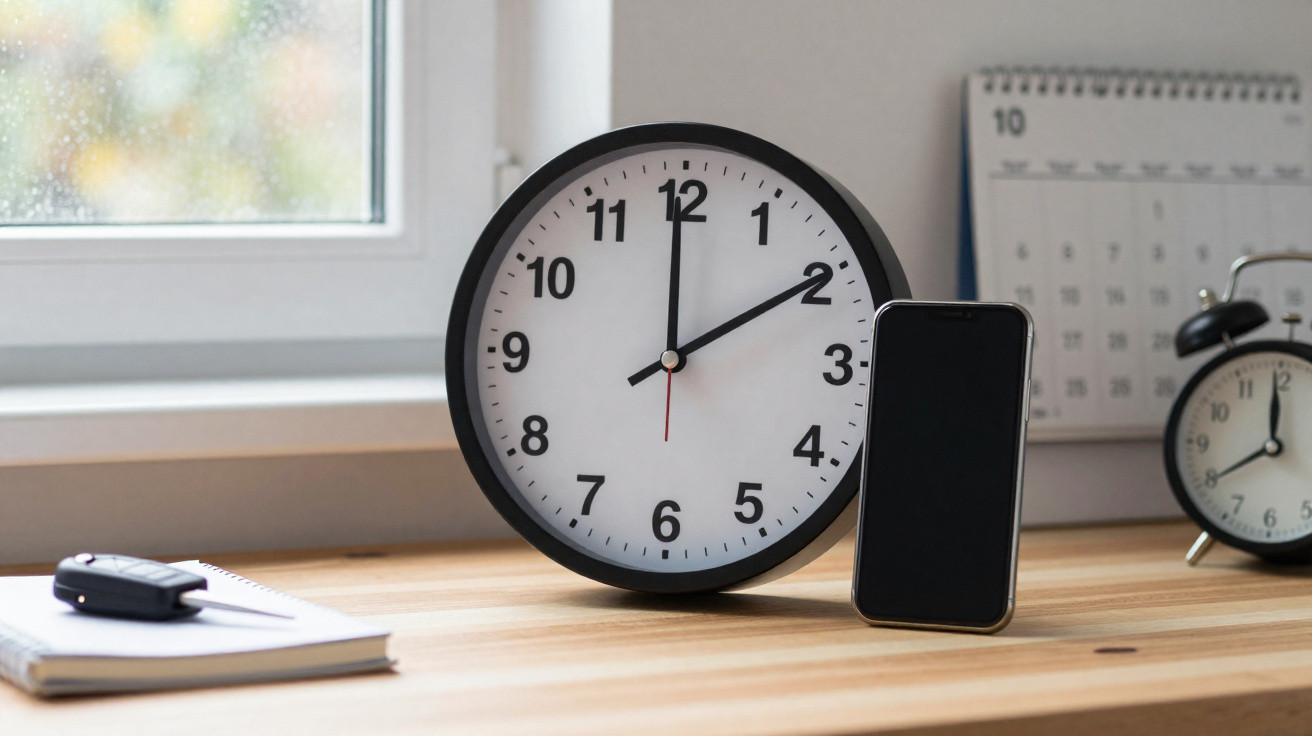
- Set a phone alarm for 10 minutes directly after every meal.
- Take a set “office loop” or “around-the-house loop” after lunch.
- Walk the same short route around the neighbourhood every evening after dinner.
- Take phone calls while walking rather than sitting down whenever possible.
Anyone who already uses a fitness tracker or smartwatch can set small targets, such as “1,000 steps after every meal”. The exact number matters less than doing it consistently.
Who can particularly benefit from this strategy?
Walking at the right times is especially beneficial for people at increased risk of diabetes or those who already have impaired glucose tolerance. If diabetes runs in your family or your GP has noted slightly raised readings, this can be an active way to counteract them.
However, it is worthwhile for everyone else too: people working from home, office workers, gamers and students. Even those who are already physically active often spend large parts of the day sitting down – short walking breaks can then act as a “reset” for the metabolism.
Are there any risks or limitations?
Gentle walking is considered one of the safest forms of exercise. Nevertheless, people with heart or vascular conditions, severe obesity, or acute knee, hip or back problems should discuss new routines with a doctor, particularly if they have previously done almost no activity.
In some cases, exercising too hard or too quickly after a meal can cause stomach discomfort. It is therefore better to start with short, easy walks and increase the pace only gradually as your body becomes accustomed to it.
Combining walking with other activities
Anyone who enjoys these walks can gradually build on them. For example:
- Extend one of the three walks slightly two to three times a week.
- Use Nordic walking poles on some days to involve the arms as well.
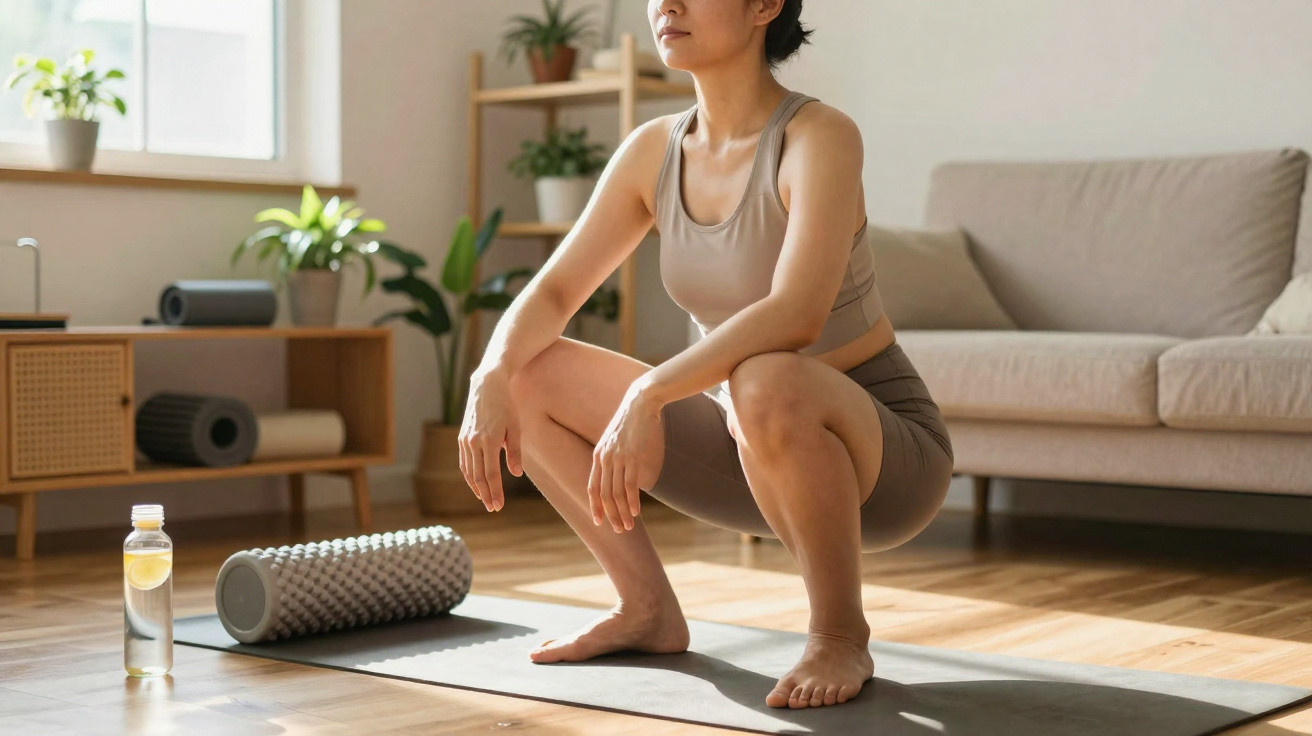
- Add gentle strengthening exercises, such as squats, wall press-ups or calf raises, at the end of the walk.
This combination of moderate endurance exercise and some muscle work brings together the benefits for blood sugar, weight and overall fitness. The central principle remains the same: small steps taken regularly are better than rare, extreme efforts.
If you already plan your days closely, you can enter the three mini-walks in your calendar as fixed appointments. Others may link them to existing rituals – for example, only having their first coffee after a meal once they have walked for a few minutes. In this way, a simple walk around the block becomes a daily health ritual with solid scientific backing.













Comments
No comments yet. Be the first to comment!
Leave a Comment