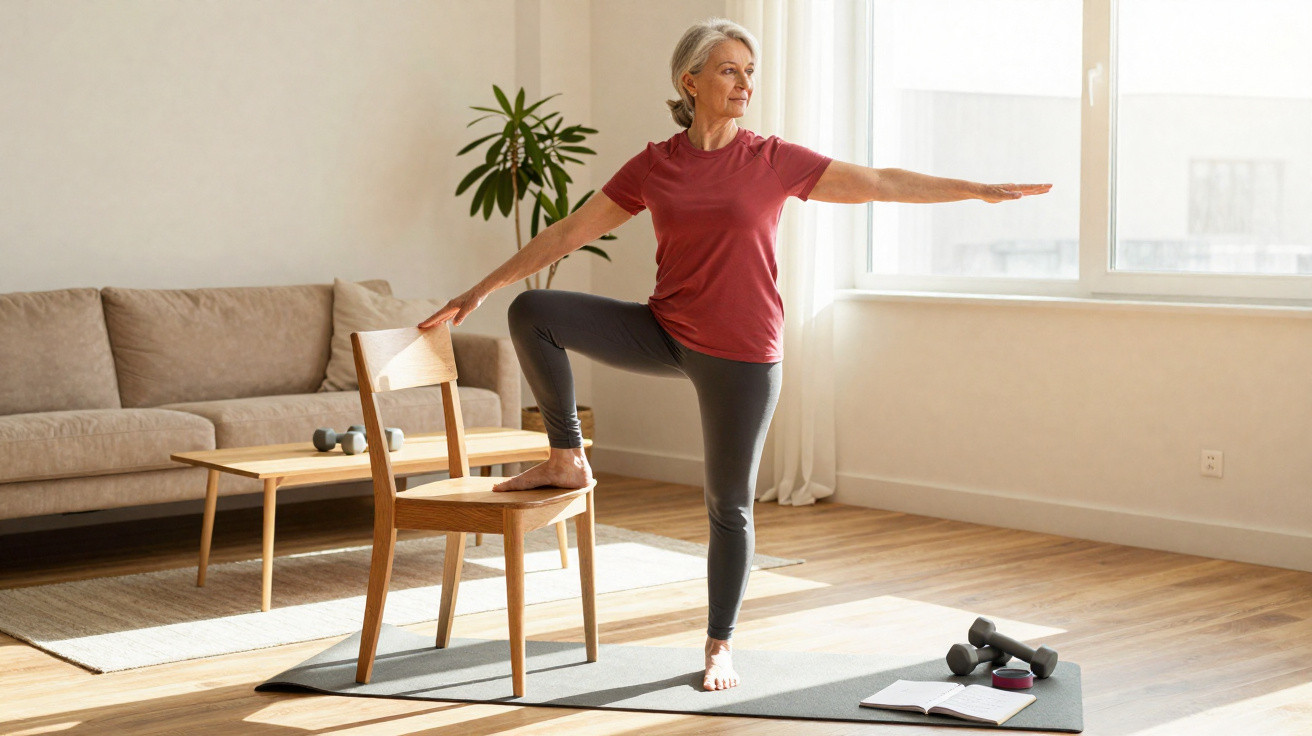
Maintaining mobility after the age of 70 is one of the most important ways to protect independence and quality of life. At this stage, exercise is no longer solely about building strength or improving fitness: it is about being able to carry out everyday tasks safely and confidently. Specialists say that an appropriate physical activity routine can lower the risk of falls, improve balance and help people remain independent for longer.
What are the best exercises for maintaining mobility after the age of 70?
Professionals recommend activities that encourage the body’s natural movements while strengthening the joints without placing them under excessive impact. The emphasis is on functional ability - in other words, being able to perform ordinary daily actions.
To show how this approach can be put into practice, the @FisioterapeutaAmigo channel has created a visual guide featuring straightforward mobility and strengthening movements to do at home. Watch the video below and follow the instructions step by step:
Why is balance so important for independence?
Balance is one of the physical abilities with the greatest effect on day-to-day safety. As people get older, even minor reductions in stability can considerably raise the likelihood of falls and injuries.
Balance training helps the body respond more effectively to obstacles and changes in direction. It also builds the confidence needed to walk, climb stairs and complete household tasks without having to rely continually on other people’s assistance.
Which movements need the most attention after the age of 70?
Many specialists give priority to exercises that mirror movements performed every day. These actions support functional capacity and can help retain independence for longer.
The following movements are often given particular attention in training programmes:
- Sitting down on and standing up from a chair.
- Squatting to pick up items from the floor.
- Going up and down steps safely.
- Reaching for items on higher shelves.
- Turning the torso comfortably.
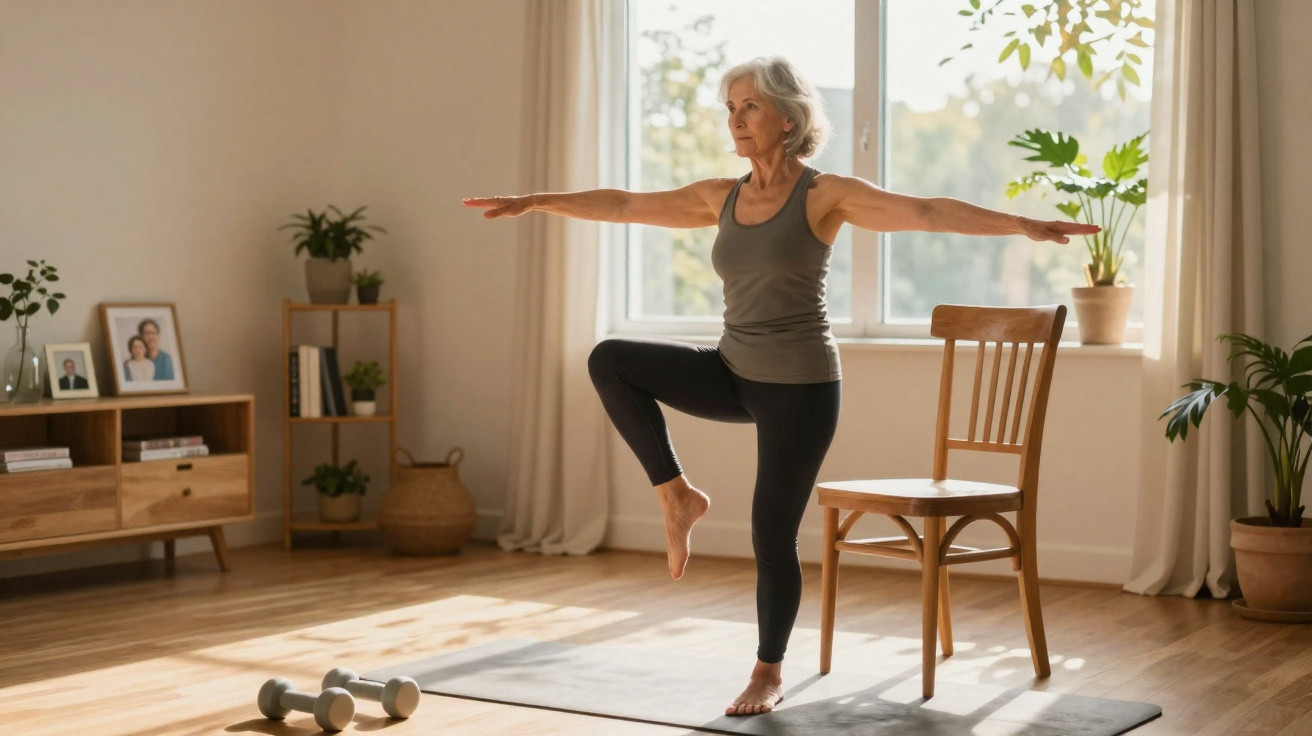
- Standing on one leg for a few seconds.
How can you create a simple home exercise routine?
An effective routine does not require complicated equipment. Ideally, spend a few minutes each day on activities that gradually develop mobility, balance and endurance. Consistency is usually more important than the intensity of the exercises.
A straightforward combination may involve gentle walking indoors or outdoors, chair sit-to-stand exercises, stretches for the arms and legs, and balance practice close to a secure support. Over time, these habits can help maintain independence, increase confidence in movement and support a more active, safer life.












Comments
No comments yet. Be the first to comment!
Leave a Comment