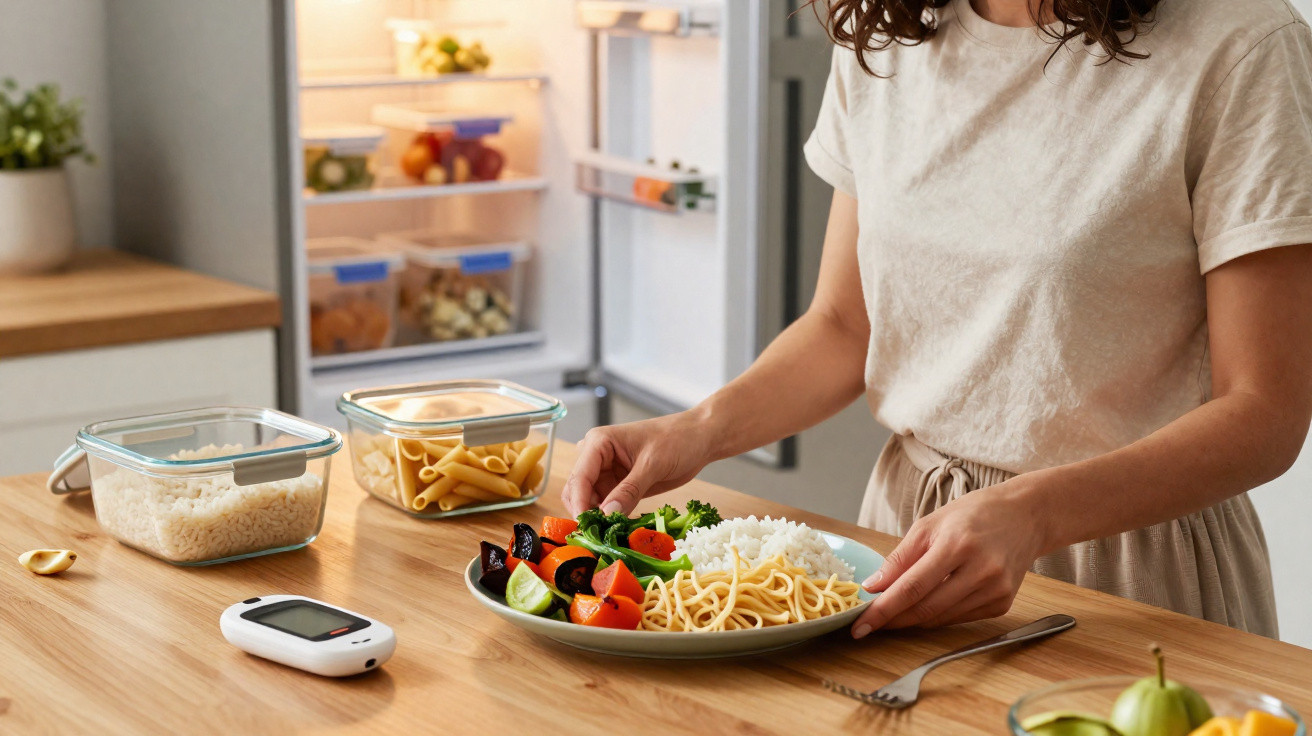
For anyone dealing with fluctuating blood sugar, or simply hoping to lose a few kilos, beloved pasta is often one of the first foods to be removed from the menu. Yet that is not necessarily required. What matters is not whether we eat pasta and rice, but how we cook them, combine them and portion them. This is where a remarkably simple, well-researched scientific technique comes in: it can significantly lower the glycaemic index and fits easily into everyday life.
Why pasta and rice can send blood sugar soaring
Pasta and rice contain plenty of readily available carbohydrates. In the digestive system, these are converted into glucose fairly quickly, causing blood glucose levels to rise rapidly. Doctors refer to this as the glycaemic index, or GI. The higher the figure, the faster and more sharply blood sugar rises after a meal.
Many people know the result: a brief burst of energy followed by the familiar slump. Tiredness, difficulty concentrating, and a sudden craving for something sweet two hours later. Anyone already predisposed to diabetes, or keeping an eye on their weight, may feel this rollercoaster particularly strongly.
A second measure is also relevant: glycaemic load. This considers not only the type of carbohydrate but also the serving size. A huge plate of supposedly “sensible” rice can place a similar demand on blood sugar levels to an ordinary serving of white-flour pasta. The aim, therefore, is not to demonise carbohydrates, but to use them in a way that puts as little strain on the metabolism as possible.
Pasta and rice do not need to disappear from the menu – by adjusting preparation, combinations and quantities, you can still keep blood sugar and weight under control.
The overlooked game changer: cooking, chilling and a “new” type of starch
Al dente pasta and smarter rice choices
The first adjustment happens at the hob. The longer pasta and rice cook, the more their starch swells and the easier it is for the body to break it down. This raises the glycaemic index. Cooking pasta al dente keeps some of the starch more tightly bound, so digestion is slower and blood glucose rises less steeply.
Rice variety also makes a difference. Suitable options include:
- Basmati rice (relatively low GI, high amylose content)
- Brown rice (more fibre, keeps you full for longer)
- Parboiled rice (pre-steamed, with an altered starch structure and somewhat more blood-sugar-friendly)
The key point is not to overcook it. Following the timings on the packet and draining it a minute early rather than late is usually a good approach.
Why the fridge suddenly becomes a “weight-loss tool”
The real advantage begins only after cooking. When cooked pasta or rice cools down, part of its starch changes chemically. It rearranges itself and becomes less easy to digest. Nutrition science calls this form “resistant starch”.
Resistant starch acts much like fibre in the body: it provides little rapidly available energy, makes blood sugar rise more gradually and also feeds beneficial gut bacteria. Studies show that pasta which has been cooked, cooled completely and then reheated can have a considerably lower glycaemic index than freshly prepared pasta – in some research, up to around 50 per cent lower.
Cook it once, let it cool, then reheat it later – some ordinary starch becomes “food for the gut”, entering the bloodstream more slowly and keeping you full for longer.
How to use the technique in practice
The process is straightforward and works well with a typical weekly routine:
- Cook pasta or rice as usual in plenty of salted water, without making it too soft.
- Drain it and toss with a splash of olive oil to prevent sticking.
- Cool it quickly, for instance by spreading it on a tray, then pack it in an airtight container.
- Put it in the fridge – at least 12 hours is ideal, so overnight is perfect.
- Use it within two to three days.
Do not overlook food hygiene: cooked starchy dishes should not be left at room temperature for hours, as bacteria can multiply. Either eat them straight away or cool them promptly and refrigerate them.
Can it be reheated?
Yes. Reheating does not remove the resistant-starch effect. In fact, the “cook – cool – reheat” cycle may increase the proportion of resistant starch slightly further. Whether you use a frying pan with a spoonful of oil or a microwave, both are fine as long as the food is heated through thoroughly.
Turning pasta and rice into a blood-sugar-balanced plate
The easy plate rule: half vegetables, with the rest working together
Adjusting the starch alone misses an opportunity. The approach becomes especially effective when the whole plate is planned well. One everyday rule of thumb is easy to remember:
- around 50 per cent of the plate: vegetables, raw or cooked, in as many colours as possible
- around 25 per cent: pasta or rice
- around 25 per cent: a protein source and some high-quality fat
Fibre from vegetables, protein and fat work together to slow carbohydrate absorption. Blood sugar rises more gently, while fullness and energy last longer.
Easy meal ideas include:
- al dente wholewheat spaghetti with tomato sauce, chickpeas and fried courgettes
- chilled Basmati rice as a rice salad with tuna, peppers, cucumber, sweetcorn and olive oil
- day-old parboiled rice, fried in a pan with egg, peas, spring onions and a little soy sauce
Fill half the plate with vegetables and pair pasta or rice with protein and healthy fats to create a meal that satisfies without leading into the cravings trap.
Portions that genuinely work in daily life
Many people overestimate how much they need. For an averagely active woman, 70 to 80 grams of dry pasta or rice is usually enough. Men often need slightly more, but hardly anyone needs a heaped 250-gram plate when the rest of the meal is well structured.
Anyone aiming to lose weight can try allowing 10 to 20 grams less starch and making up the difference with extra vegetables. The plate still looks full, while the energy density falls.
Myths about pasta, rice and dieting – what is actually true?
Does cold pasta automatically make you “slim”?
Chilled pasta does not contain fewer calories. Its energy content remains the same; only part of its carbohydrate behaves differently in the body. The benefit lies in a more favourable blood sugar response and greater fullness, rather than in calorie reduction alone.
Is gluten-free pasta better for blood sugar?
Gluten-free simply means that certain grain proteins are absent. For the glycaemic index, the main factor is the starch used to make the pasta. Products made from maize or rice flour can even have a higher GI than conventional durum wheat pasta. Those who need to avoid gluten should choose wholegrain or pulse-based versions and pay particularly close attention to combining them with vegetables and protein.
How does this fit with diabetes?
For people with diabetes or marked insulin resistance, the fridge technique described above can provide noticeable relief. Even so, it is not a replacement for medical treatment. Portion sizes, insulin or medication, and the overall diet should always be managed with medical or diabetes-specialist support.
Why the technique is also interesting for the gut
Resistant starch is not solely a blood-sugar issue. In the large intestine, it serves as food for beneficial bacteria. As they break it down, they produce substances with anti-inflammatory effects that may even reduce the risk of certain illnesses. Pasta and rice from the day before can therefore support the gut microbiome almost incidentally – provided the rest of the diet is reasonably well balanced.
To strengthen the effect, combine chilled starch sources with other providers of fibre, such as pulses, linseeds, chia seeds or plenty of vegetables. The result is a meal that fills you up, gives the gut something to work on and causes blood sugar to rise comparatively gently.
Everyday strategies: meal prep instead of deprivation
There is another useful side effect: cooking a larger batch of pasta or rice once a week saves both time and money. The fridge then already contains cooked bases for rice salads, pan-fried meals, pasta bakes or quick lunches while working from home.
Rather than cutting out a favourite dish, it is worth changing the approach: a smaller share of pasta or rice, more vegetables, consciously selected proteins – and the fridge technique as often as possible. This preserves the enjoyment, keeps blood sugar steadier, and makes weight loss far more relaxed than radically cutting out carbohydrates.














Comments
No comments yet. Be the first to comment!
Leave a Comment