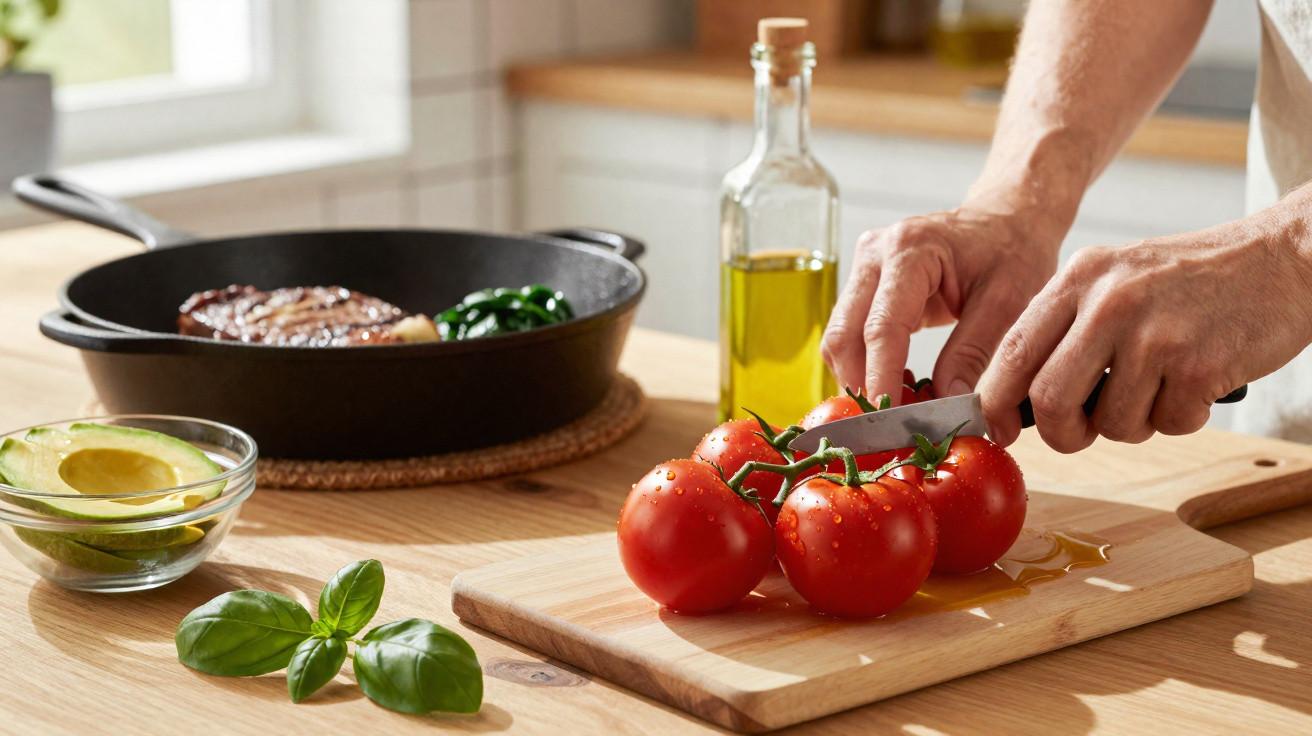
Tomatoes are often seen as a genuine health powerhouse – but one common food pairing can severely reduce their protective effect.
Many people eat tomatoes every day, whether in a fresh salad, pasta sauce or juice. However, few realise that certain ingredients served in the same meal can block a substantial share of their valuable nutrients. Nutrition specialists now warn against several highly familiar combinations that are commonplace in kitchens.
What makes tomatoes so healthy – and the catch involved
Tomatoes provide plenty of vitamins, minerals and plant compounds. The key one is lycopene, a red plant pigment belonging to the carotenoid family that gives tomatoes their vivid colour.
Lycopene is considered a powerful antioxidant and has been linked to a lower risk of prostate cancer, cardiovascular disease and inflammation.
The body absorbs lycopene much more effectively when tomatoes are heated and eaten with some fat. Yet this is also where the issue starts: new data indicate that another nutrient can reduce this benefit by almost half.
Why iron reduces the lycopene effect
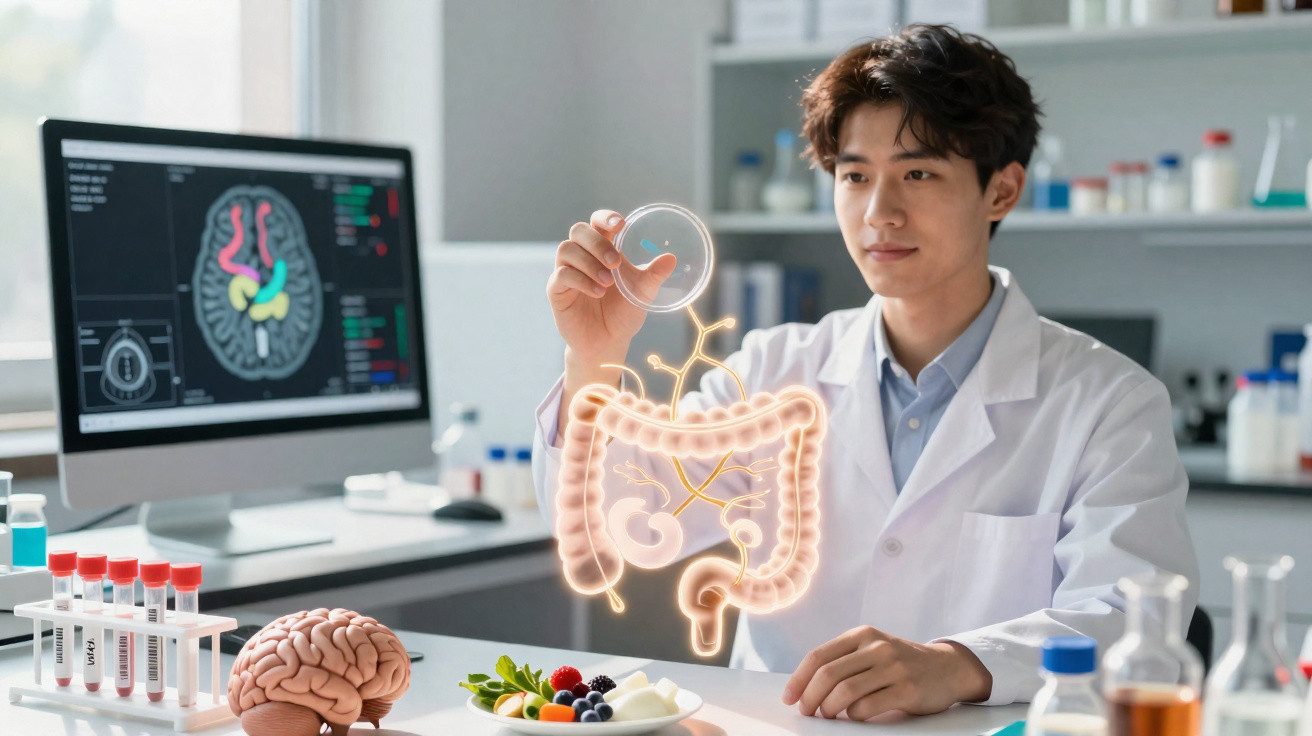
A research team at Ohio State University in the United States investigated what happens when foods rich in lycopene are consumed alongside iron-rich ingredients. Their findings are significant for anyone who enjoys tomato-based dishes.
In the study, healthy participants drank a shake containing tomato extract. One group also received iron-rich food, while the other ate a comparable meal without iron. Researchers then measured how much lycopene appeared in the blood and other body fluids.
The analysis shows that when iron was present in the meal, the amount of lycopene absorbed fell to around half. This considerably reduces the tomato's protective effect.
According to the researchers, this may affect more than laboratory shakes and could apply to everyday pairings such as:
- Pasta with tomato and minced-meat sauce plus an iron-rich side dish
- Tomato juice alongside breakfast cereal fortified with iron
- Tomato dishes containing large quantities of pulses as a protein source
Iron apparently binds to some of the lycopene and alters its structure. The body is then less able to absorb that portion. This does not mean tomatoes become “unhealthy”, but it does substantially reduce their key benefit.
Tomato food combinations that may be less favourable
Nutrition experts do not advise avoiding tomatoes altogether. Instead, they recommend paying closer attention to what accompanies them in a meal. Ingredients high in iron are especially worth considering where the aim is to maximise lycopene intake.
Iron-rich foods not to combine with tomatoes
- Pulses such as lentils, chickpeas and beans
- Dried fruit, including dried apricots or prunes
- Dark green vegetables such as spinach or chard
- Breakfast cereals heavily fortified with iron
- Certain meats or offal with particularly high iron levels
There is no need to remove these foods from your diet completely. A more practical approach is to eat them at different times: make iron the focus of one meal and tomatoes the focus of another.
How to pair tomatoes for the greatest effect
Anyone hoping to get the most lycopene from tomatoes should follow two basic principles: heat and fat. Heating helps release lycopene from plant cells, while fat helps the gut absorb it.
Good sources of fat for tomato dishes
- Olive oil – a classic choice for sauces, roasted vegetables or bruschetta
- Avocado – suitable in salads or on toast topped with diced tomatoes
- Nuts and seeds – such as walnuts, almonds or pine nuts scattered over a tomato salad
A simple rule of thumb is to add a splash of good-quality oil to the pan or pot whenever tomatoes are being cooked.
Gentle cooking is better than eating tomatoes raw
- Lightly simmered tomato sauce with a little olive oil
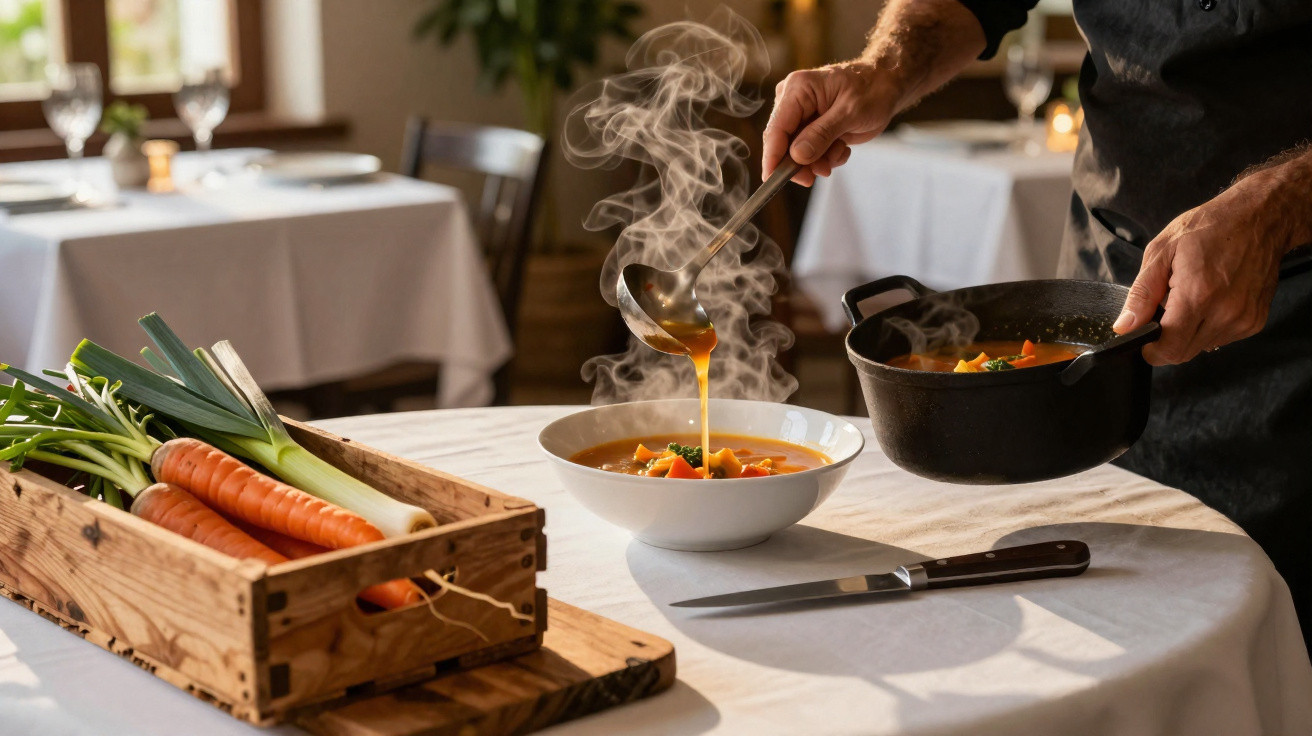
- Tomato soup or tomato coulis made from briefly cooked fruit
- Oven-roasted tomatoes with herbs and a drizzle of oil
Raw tomatoes remain worthwhile, but they are more notable for their vitamin C and water content. Briefly cooked versions offer more when it comes to lycopene.
Combining tomatoes with other protective nutrients
Some ingredients may enhance the protective effect because they are themselves rich in vitamins and antioxidants. Particularly suitable choices include:
- Peppers – which provide vitamin C and additional carotenoids
- Citrus fruit – for example, orange segments in a summer salad with tomatoes
- Fresh herbs – basil, parsley, oregano or thyme
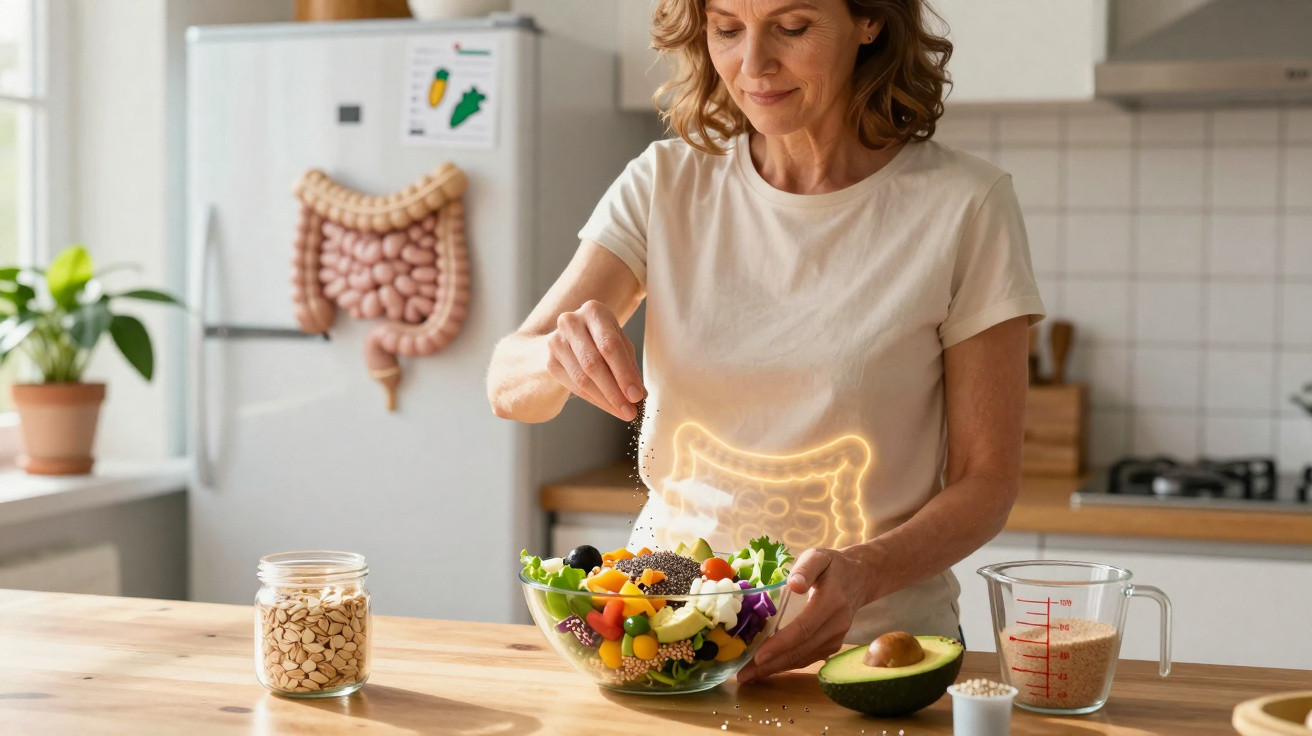
An ideal “power dish” consists of cooked tomatoes, a little olive oil, fresh herbs and a portion of healthy fats such as nuts or avocado.
Histamine: when tomatoes trigger symptoms
Tomatoes have another potential downside: they contain histamine. This substance also occurs naturally in the body and plays a part in allergies and inflammatory responses.
People with histamine intolerance or low histamine tolerance often react to histamine-rich foods with:
- Headaches or migraines
- Digestive problems, including bloating, diarrhoea or cramps
- Skin flushing, itching or hives
- Heart palpitations or fluctuations in blood pressure
Combining tomatoes with other foods high in histamine can increase the overall load further. Typical “problem plates” include:
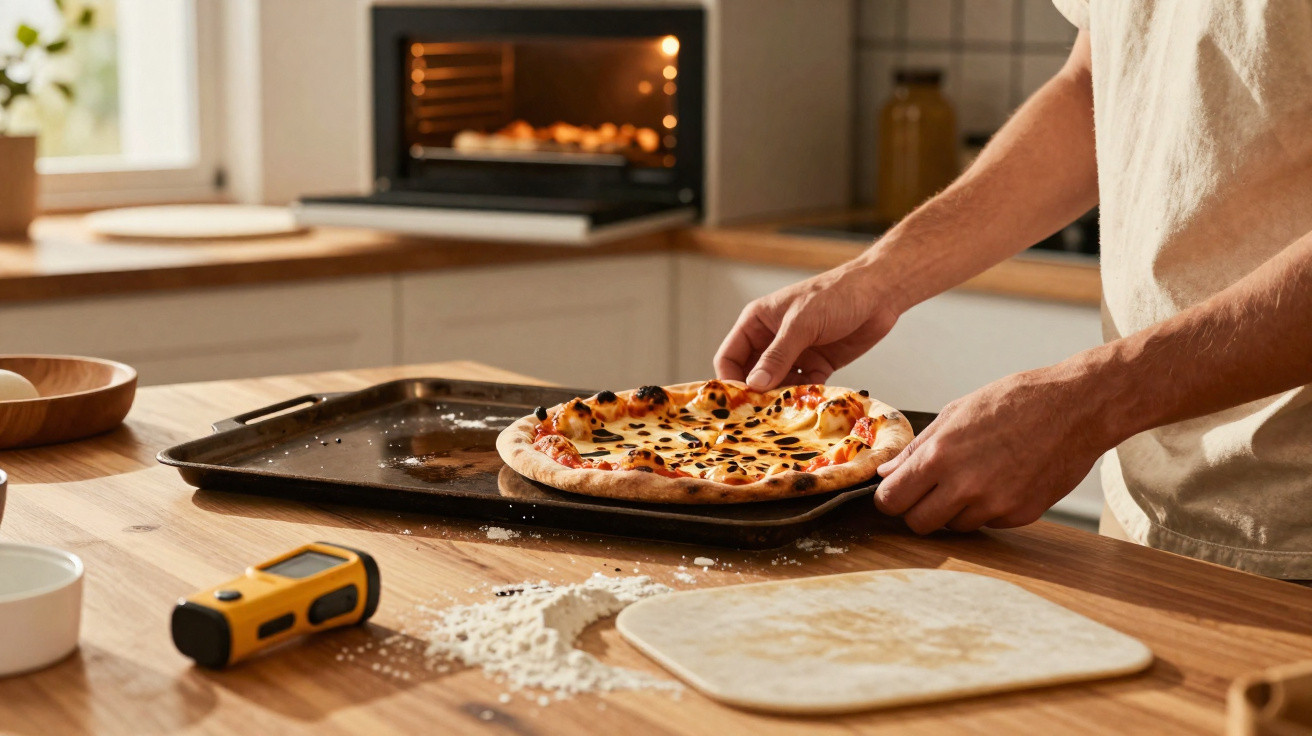
- Pizza with tomato sauce, long-matured cheese and salami
- Pasta with tomato sauce and a generous amount of Parmesan
- An antipasti platter containing tomatoes, fermented vegetables and smoked sausage
- Tomato dishes served with wine or beer
Alcohol slows down the breakdown of histamine. People who are sensitive to it often notice the effects of combinations of wine, tomato sauce and mature cheese particularly strongly.
How affected people may tolerate tomatoes better
People with a known histamine intolerance usually benefit from limiting heavily processed tomato products in particular. These include:
- Tomato purée
- Concentrated jarred sauces
- Ketchup
- Long-simmered dishes containing large amounts of tomato
Fresh, ripe tomatoes in season are often a little easier to tolerate. Anyone unsure should try small portions and keep a record of any symptoms. A doctor or nutrition professional can then help establish an individual approach.
Practical everyday examples
| Less advisable | Better alternative |
|---|---|
| Lentil stew with plenty of chopped tomatoes | Plain lentil stew at lunch, followed by pasta with tomato sauce in the evening |
| Iron-fortified breakfast cereal with tomato juice | Iron-rich cereal in the morning, with tomato juice as a snack later on |
| Pizza with salami, extra cheese and tomato sauce | Pizza with vegetables, less cheese and fresh tomato slices |
| A light meal of bread with salami, mature cheese and tomatoes | A light meal of bread with soft cheese, vegetables and a few tomato slices |
What the research means for everyday eating
The new evidence does not mean that eating tomatoes with iron is “forbidden”. Both nutrients remain valuable. However, anyone specifically seeking the protective effects of lycopene may benefit from separating them: have iron-rich foods in one meal and make tomatoes and lycopene the focus of another.
It is equally worthwhile to pay attention to personal reactions. Anyone who regularly experiences headaches, tiredness or digestive discomfort after pizza, pasta with tomato sauce or tomato salad could try reducing histamine-rich components and see whether anything changes.
Ultimately, tomatoes are most beneficial when they are gently cooked, served with a little fat and not accompanied by a heavy iron or histamine load. This preserves what many people want from them: a simple, tasty and potentially effective addition to everyday eating.










Comments
No comments yet. Be the first to comment!
Leave a Comment