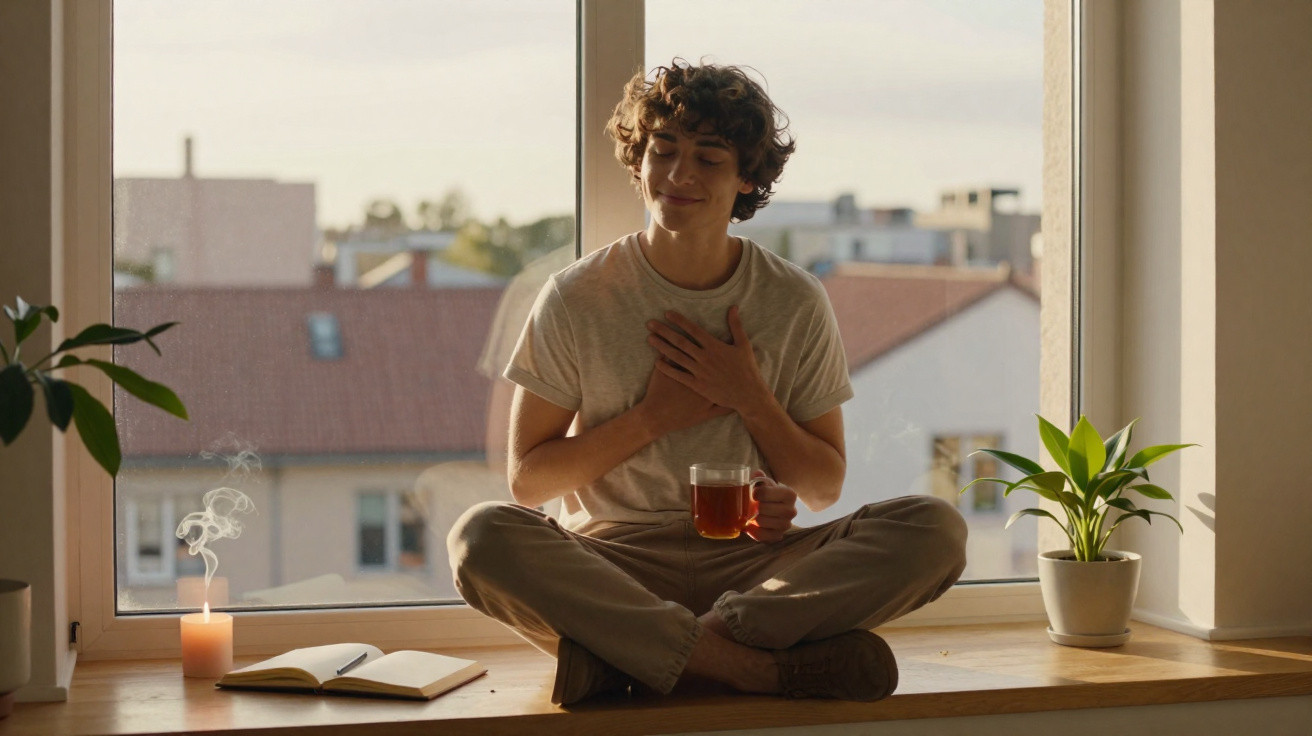
Yet it is often precisely there that calm, clarity and renewed energy can be found.
In a society where something is constantly beeping, flashing or demanding attention, being alone can quickly seem suspect. Anyone sitting on the sofa without plans one evening is almost treated as a cause for concern. Yet current figures from Europe show that many people who deliberately make time for themselves experience these periods as beneficial rather than as a flaw.
Being alone is not the same as loneliness
The fundamental mistake happens in our minds: we lump together two entirely different states. On one side is chosen solitude – time away from social contact, appointments and expectations. On the other is genuine social isolation: the sense that nobody truly reaches you.
Research from several countries indicates that around one in eight people have scarcely any regular contact with family, friends or colleagues. Many feel persistently disconnected and describe an inner emptiness. At the same time, roughly a quarter of people report recurring feelings of loneliness, which now affect every age group. Teenagers and young adults are particularly affected: although they are constantly moving through chats and feeds, they often feel alone inside.
This trend has become noticeably worse since the coronavirus pandemic. Lockdowns, working from home and distancing rules have disrupted established social routines. At the same time, we are more digitally connected than ever before. The paradox is that the more time we spend “online”, the more often we lack real contact: a glance, a touch or laughter shared in the same room.
When being alone becomes a source of strength
Why deliberate withdrawal supports mental wellbeing
Modern neuroscience and psychology paint a surprisingly positive picture of solitude – provided it is voluntary. An analysis in a respected academic journal shows that people who regularly choose to withdraw report inner balance and greater life satisfaction more often.
What takes place during these periods? The brain enters a state researchers call the “default mode network”. This mode begins when there is no specific task to complete. We start daydreaming, organising our thoughts, processing the past and imagining possible futures. This is where new ideas, creative impulses and, quite simply, clarity can emerge.
“Being alone can work like a mental reset button – as long as contact with other people is generally available.”
Psychologists refer to this as “healing loneliness”. It means a self-created space in which you do not have to perform, please others or deliver results. This kind of retreat has recognisable features:
- It is consciously chosen and can be ended at any time.
- It feels peaceful and can sometimes even feel liberating.
- It leaves room for hobbies, reflection and recovery.
- It does not rule out stable relationships with other people.
People who make space for such periods often say that they can more clearly recognise what does them good, which relationships are supportive and which simply continue out of habit. Many make important decisions during this time: changing jobs, ending relationships, starting new projects or taking better care of themselves.
The harmful side of involuntary loneliness
The picture changes when solitude is no longer freely chosen. Someone who needs contact but can find hardly anyone willing to listen can quickly enter a downward spiral. Studies in several countries show a clear link between prolonged loneliness and mental health problems such as depression, anxiety disorders and severe sleep difficulties.
This is especially evident among young people: those who feel excluded over a long period show significantly more signs of emotional distress. Among adults, lonely people are twice as likely to describe intense dissatisfaction with their lives and a deeply rooted feeling of being useless.
Neuroscientific research suggests that the brain processes ongoing loneliness in a similar way to physical pain. Stress hormones rise, the immune system weakens and cardiovascular disease occurs more frequently. Being socially excluded therefore risks more than low mood; it can also lead to serious health problems.
“In the long term, social isolation is as harmful as smoking or extremely little exercise.”
People without work are particularly at risk. In one large survey, almost half of unemployed respondents said they often felt lonely. Losing a circle of colleagues, financial worries and shame can all intensify withdrawal. Those who see themselves as useless are less likely to contact old friends, creating a vicious circle.
Happily alone: how to change your perspective
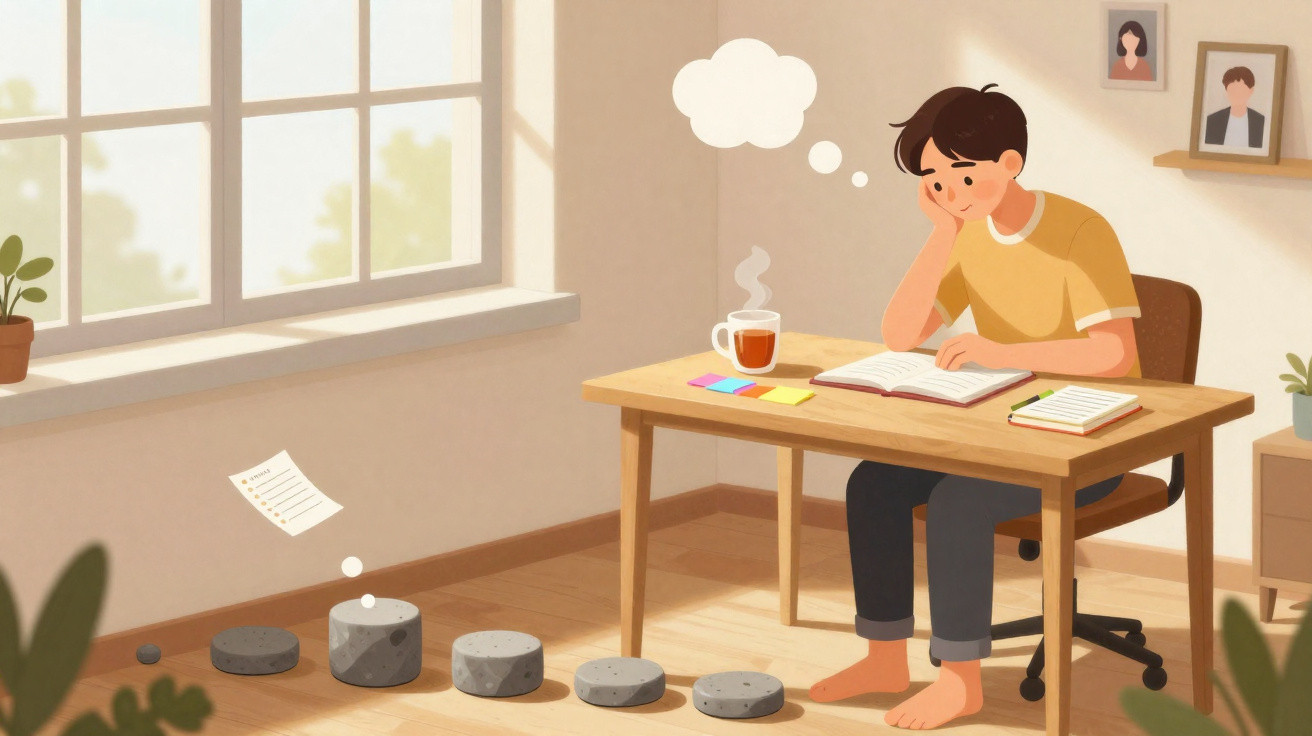
A more relaxed relationship with being alone starts in the mind. Instead of thinking, “Nobody wants anything to do with me”, your internal headline could be: “I am making time for myself right now.” It sounds simple, but it changes the emotional tone.
Three steps for using solitude positively
- Learn to tolerate quiet
Anyone who immediately fills every empty moment with streaming, social media or work denies themselves the opportunity for inner recovery. Small exercises can help:- silence and put away your phone for 15 minutes each day;
- take a walk without music, a podcast or a phone call;
- read a book without checking messages at the same time;
- simply look out of the window and let your thoughts drift.
The point is not to be productive. It is to let thoughts come and go without judging them.
Find the right balance
People differ greatly in how much closeness they need. Introverts tend to recharge alone, while extroverts do so through contact. Many feel most comfortable when both are given space in turn. Research shows that people who deliberately alternate between retreat and social connection respond more calmly to stress and cope better with other people's emotions.Take warning signs seriously
Being alone becomes problematic once it no longer feels like a choice. Typical signs include:- You decline invitations even though you actually long to be around people.
- You lose interest in hobbies and interests you once enjoyed.
- You lie awake ruminating or have bleak thoughts about yourself.
- You go for days without speaking to anyone properly in person.
In that case, it helps to act actively: call someone, contact an advice service, attend a support group or seek professional help. Telephone and chat-based support services can often provide an accessible first point of contact.
Practising being alone: small everyday ideas
Anyone who has avoided being alone for a long time may initially feel restless. Rather than planning an entire weekend alone straight away, small, regular rituals are often more realistic:
- arrange a fixed “date with myself” each week – go out for coffee without your phone on the table;
- choose a solo activity you enjoy, such as drawing, gardening, cooking or music;
- create a “digital-free window” in the evening, perhaps for an hour before bedtime;
- keep a personal notebook where thoughts and feelings are welcome.
Over time, a familiar inner space develops in which you no longer feel lost. Many people then realise that their fear of being alone was greater than being alone itself.
When society no longer allows pauses
Alongside the personal dimension, there is also a social one. Constant availability at work, relentless pressure to optimise ourselves and self-presentation on social media leave little room for “doing nothing”. Anyone who withdraws can quickly appear unproductive or “boring”.
It is precisely in this environment that consciously spending time alone becomes more valuable. It protects against burnout, reinforces awareness of personal boundaries and makes us less dependent on external approval. People who have learned to cope well on their own are less easily driven by likes, status symbols or peer pressure.
Greater calm in dealing with your inner life
Finally, it is worth considering a term often used: the “social battery”. Many people know exactly when this battery is empty. They become irritable, feel overwhelmed and let small things escalate. Being alone can then feel like recharging a battery.
Those who accept this rather than fighting it benefit twice over. First, physical and emotional recovery improves. Second, time with others becomes more valuable again because it comes not from obligation, but from a genuine desire for closeness.
“Being good with others only works in the long term when you can be at least reasonably good with yourself.”
Being alone is therefore not a defect but a tool. Used well, it protects against overwhelm, sharpens awareness of your own needs and makes relationships more honest. Learning not merely to endure silence, but occasionally to enjoy it, also strengthens mental health.













Comments
No comments yet. Be the first to comment!
Leave a Comment