On a Tuesday morning at a busy rehabilitation clinic on the outskirts of town, the waiting area is packed with grey hair, stiff knees and folded walking sticks. In the corner, the television is showing a fitness feature with a smiling woman in a pool, promising “gentle exercise for seniors”. Several patients nod, apparently already persuaded: swimming must be the solution. Nearby, one man proudly flicks through pictures from his Pilates reformer class, certain that he is doing everything correctly.
Then the orthopaedic specialist enters and delivers a line that silences the room.
“Swimming and Pilates are not the magic solution for your joints,” she says quietly. “For some of you, they’re part of the problem.”
The room falls completely quiet.
The real recommendation she is about to make is the last thing anyone expects.
Why doctors are warning some seniors about swimming and Pilates
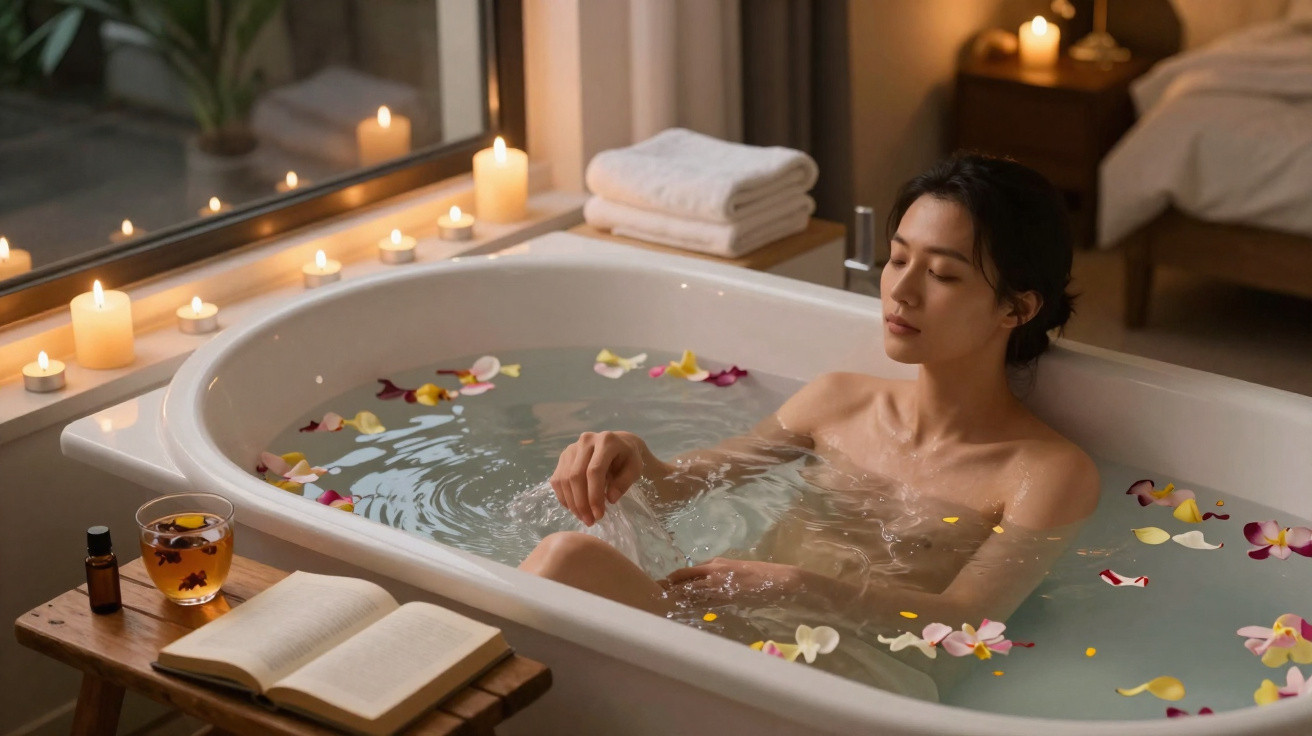
For years, doctors, magazines and well-intentioned grandchildren have advised older adults with sore knees and hips: “Go to the pool, try Pilates, it’s low impact.” It sounded safe, clean and refined. Under the fluorescent lights of the local swimming pool, it could seem as though the water might simply rinse the pain away.
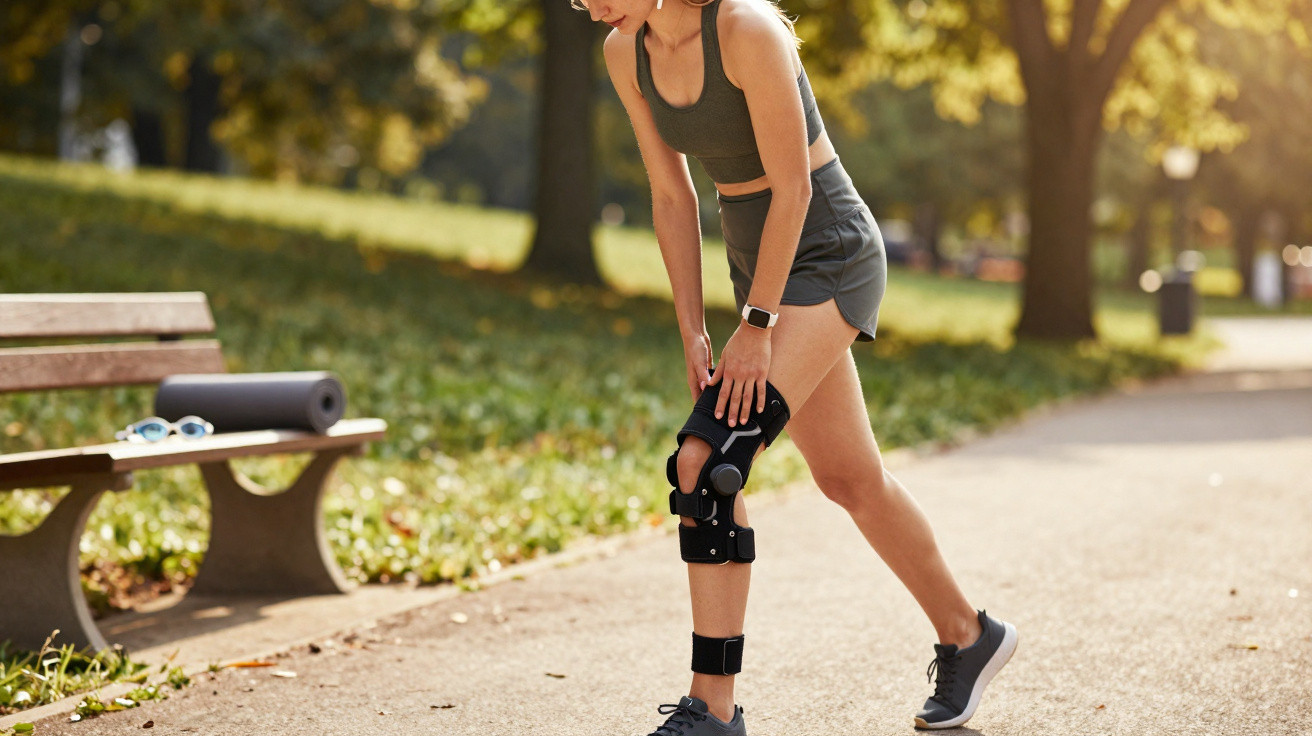
But in consultation rooms around the country, a less visible pattern is emerging. Some seniors arrive limping, their pain getting worse despite faithfully swimming lengths or unrolling a Pilates mat three times each week. Their scans tell the story. Cartilage has become thinner. Tendons are more inflamed. Their muscles remain unexpectedly weak.
Consider Maria, a 72-year-old retired teacher who began swimming three mornings a week after her doctor said that “water is gentle on the joints”. Every time she fastened her floral swimsuit at 7 a.m., she felt she was doing the right thing. The lifeguards even knew her by name.
After six months, however, her right shoulder hurt whenever she reached for the top shelf, while her knees still protested on the stairs. Her orthopaedic surgeon identified inflamed shoulder tendons caused by repetitive front crawl, alongside very little thigh strength to support her arthritic knees. “But I did exactly what they said,” she kept repeating in disbelief.
What is often left unsaid is the rest of the message: swimming and Pilates are tools, rather than universal remedies. Water takes away load, which can be comforting, but it also removes the resistance joints require to adapt and become stronger. Pilates can be excellent when a trained professional is correcting alignment, but in a packed class with broad instructions, many seniors strain vulnerable areas while the stabilising muscles that matter most remain underworked.
The hard reality is that low impact does not automatically mean joint-friendly or effective. For some older people, it merely means “not enough of the right stress, too much of the wrong movement”.
The unexpected activity doctors are quietly recommending: strength training
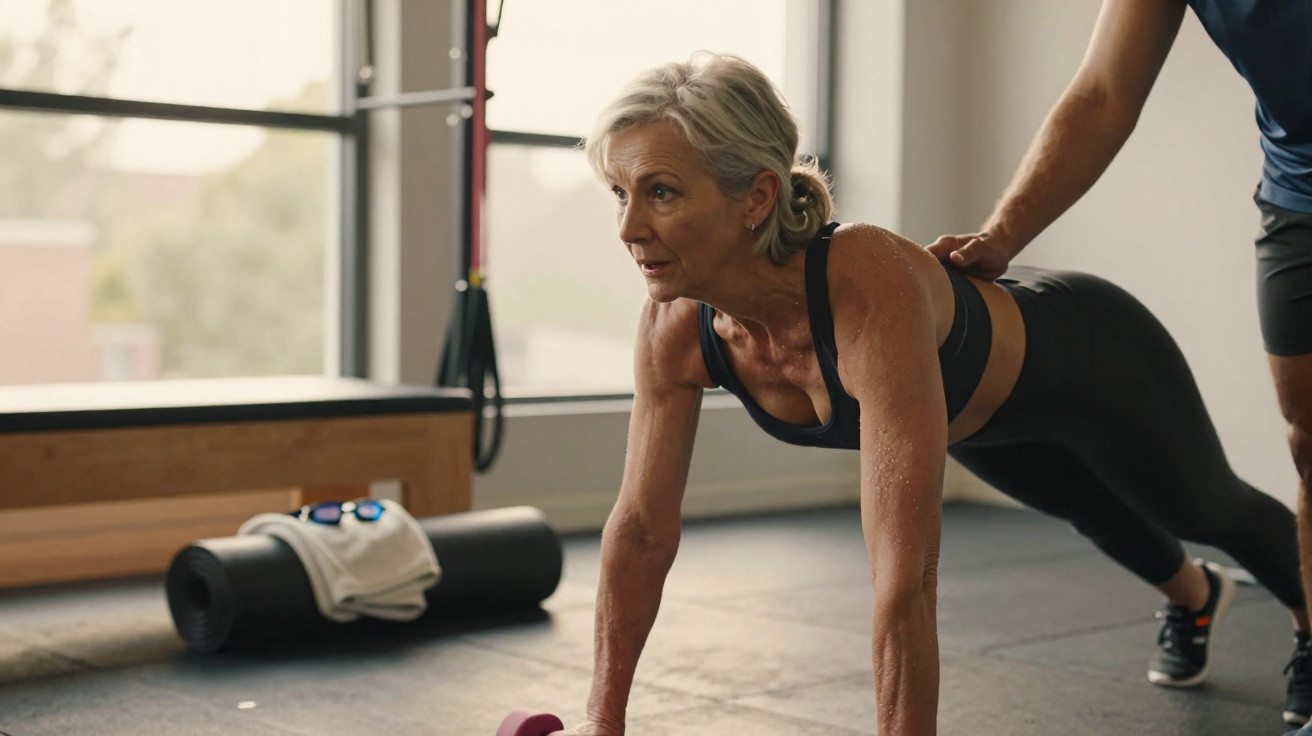
Away from public attention, an increasing number of geriatric specialists and sports physicians are steering older patients towards an activity still associated with bodybuilders and sweaty gyms: resistance-based strength training. This does not mean attempting extremely heavy deadlifts on the first day. It means carefully targeted, gradually increased loading using bands, light weights or properly designed machines.
Imagine a 78-year-old woman holding a resistance band and slowly straightening her leg as a physiotherapist counts, “Three… two… one…” Every repetition gives bone, tendon and cartilage a clear instruction: you are needed, so adapt. That is a signal that repeated lengths in warm water generally do not provide.
For many seniors, the first appointment can feel almost patronising. A chair. A light dumbbell. Sitting down and standing up ten times. Is that really all? Some people roll their eyes; others laugh. Yet two weeks later, something unexpected happens. Getting out of the car becomes easier. The stairs at home feel less like a battle. The persistent night-time ache in the knees eases slightly.
We have all had that experience: a small habit we nearly ignored turns out to alter the entire situation. One 80-year-old former swimmer told me, “Thirty years in the pool never gave me what three months with those silly red bands did for my knees.”
The underlying mechanics are almost tediously straightforward. Muscles work as shock absorbers, and when they are thin or weak, the joints absorb the force instead. Strength training increases muscle-fibre thickness and prompts bones to retain density. Through compression and release, it can help cartilage receive improved nutrition. Swimming and Pilates can still provide support, but without sufficient progressive resistance, the body effectively ages at speed.
Let’s be realistic: hardly anyone manages this without fail every day. Regularity matters more than perfection. Two or three brief, purposeful strength sessions each week can alter the course of a knee, hip or spine more than endless low-resistance activity that never reaches the point needed for adaptation. The surprising prescription? Lift something, even a little, on purpose.
How to move from “gentle exercise” to joint-saving strength work
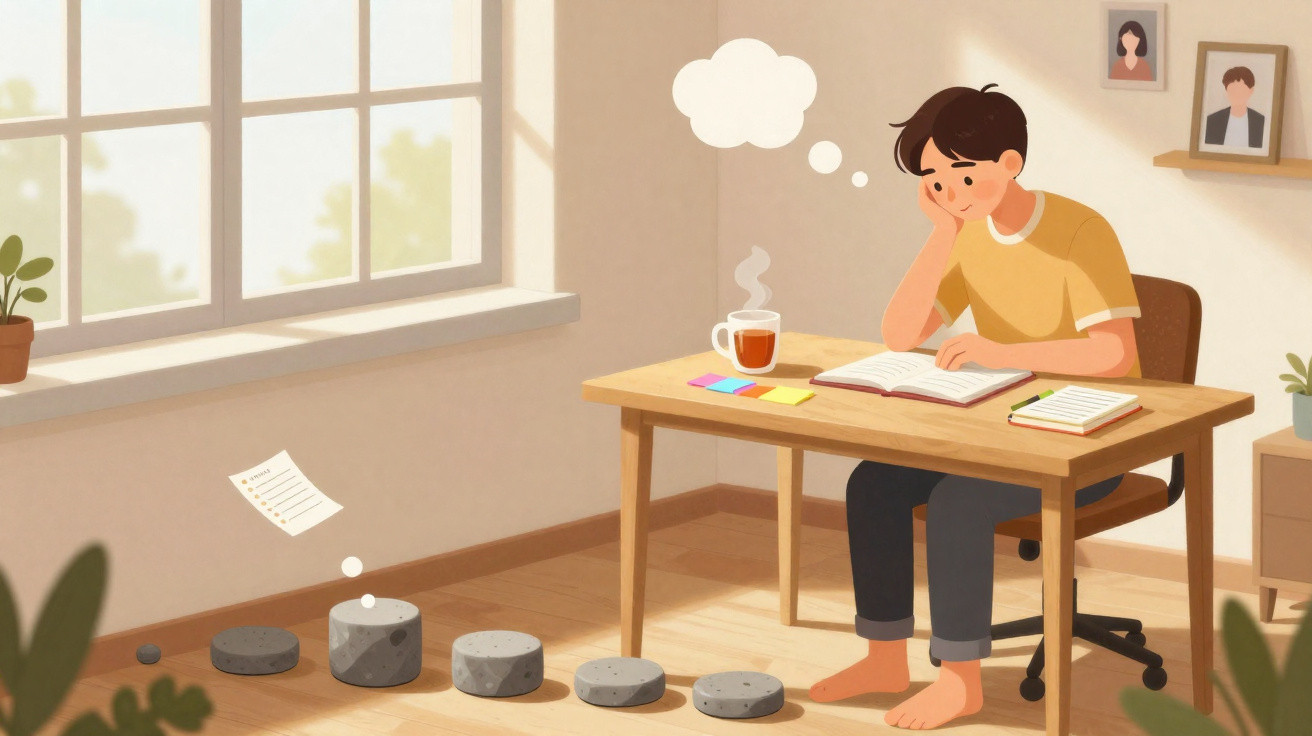
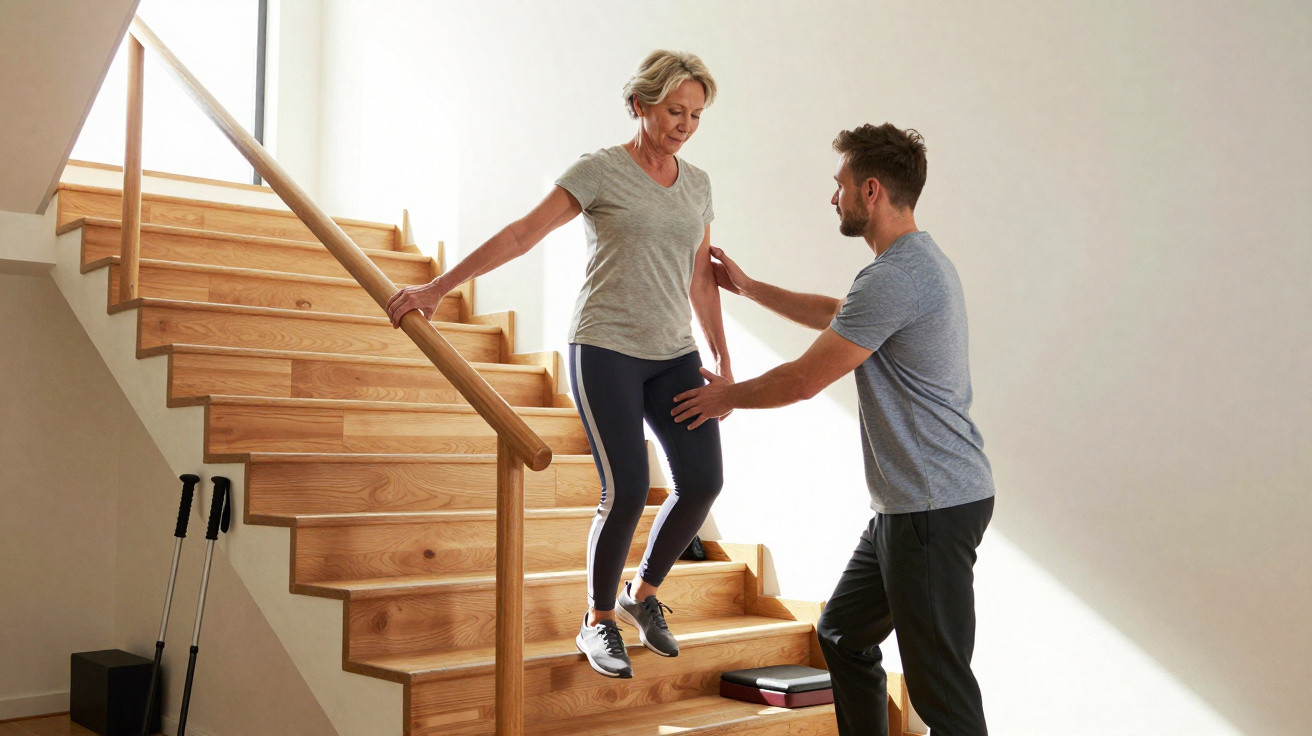
The first requirement is not a gym membership but a pencil and five quiet minutes. Write down the three everyday actions that hurt most: rising from the sofa, stepping up a kerb, carrying a shopping bag or turning over in bed. Next, match each one with a strength exercise that resembles it. Standing up from a chair becomes a chair squat. Going up a step becomes low-platform step-ups. Carrying a bag becomes a light deadlift using a kettlebell, or even a shopping bag filled with books.
Beginning this way makes the work directly relevant. You are not training “muscles”; you are preparing for your next staircase, your next holiday and your next afternoon with the grandchildren.
Pacing is the second essential point. Many older adults launch into a new gym routine as though it were a New Year’s resolution, then disappear for three months once their back starts hurting. This boom-and-bust approach is what truly alarms joints and tendons. It is better to begin almost ridiculously small: one set of 8–10 controlled repetitions for each core movement, with as much rest as required.
The errors I hear about most are stubborn pride and unspoken pain. “I didn’t want to use the light weights, they looked silly.” “I didn’t tell the trainer my shoulder was already hurting.” This is where an open discussion with a physiotherapist, sports doctor or experienced trainer who understands older bodies matters more than any polished brochure.
A sports physician I spoke to in Lyon described it this way:
“Swimming and Pilates are like dessert for many seniors. Strength training is the main course their joints are starving for.”
To make things straightforward, he gives every patient with joint pain the same core checklist:
- Twice a week: lower-body strength (squats to a chair, step-ups, leg presses, banded leg extensions).
- Twice a week: upper-body strength (rows, light chest press, gentle overhead work if shoulders allow).
- Daily: 5–10 minutes of balance (standing on one leg near a wall, tandem walking along a hallway).
- Optional extras: swimming or Pilates as “bonus”, not as the whole strategy.
That is the quiet revolution: changing the order of priorities so resistance comes first, while the “gentle” activities support it rather than take its place.
Rethinking what “being kind” to your joints really means
There is an odd contradiction in how we discuss movement with seniors. We encourage them to be gentle, soft and careful, almost as though their bodies are made from spun glass. Yet we also expect them to remain independent, carry shopping, travel and bend down to tie their shoes while queuing at airports. Those messages conflict. Joints that are never tested gradually lose their capacity to handle everyday life.
The doctors now being criticised for “discouraging” swimming and Pilates are not trying to remove the enjoyment of the pool or close reformer studios. They are posing a more precise question: does your favourite activity genuinely develop the strength you need, or does it merely leave you feeling as if you have done something?
For some older adults, the truthful answer may be uncomfortable. That does not require giving up water aerobics with friends or the calming Pilates class that improves your mood. It means scheduling strength work as seriously as a medical appointment and arranging everything else around it. A 20-minute resistance-band session in the living room may quietly safeguard your knees more effectively than a thousand graceful roll-ups completed on autopilot.
The unexpected result is that when joints feel more secure and powerful, those “fun” activities become easier too. Walking holidays, dancing at weddings and carrying a grandchild for a few minutes longer are the measures that truly count.
Some readers may feel defensive at this point. Others may feel relieved to understand at last why all those pool sessions never fully resolved their pain. Both responses make sense. The next move is not about blame, but curiosity: What might happen if, over the next three months, you treated resistance as medicine and swimming or Pilates as a supplement?
| Key point | Detail | Value for the reader |
|---|---|---|
| Swimming and Pilates have limits | They can soothe joints and support mobility, but frequently do not provide enough resistance to rebuild strength | Helps clarify why pain may continue despite being “active” |
| Strength training protects joints | Focused resistance develops muscle, supports cartilage and lessens everyday pain triggers | Provides a clear route towards walking, climbing stairs and living with greater freedom |
| Small, consistent steps work | 2–3 short weekly sessions using simple exercises can already alter outcomes | Makes change seem achievable, even with pain, fatigue or little time |







Comments
No comments yet. Be the first to comment!
Leave a Comment