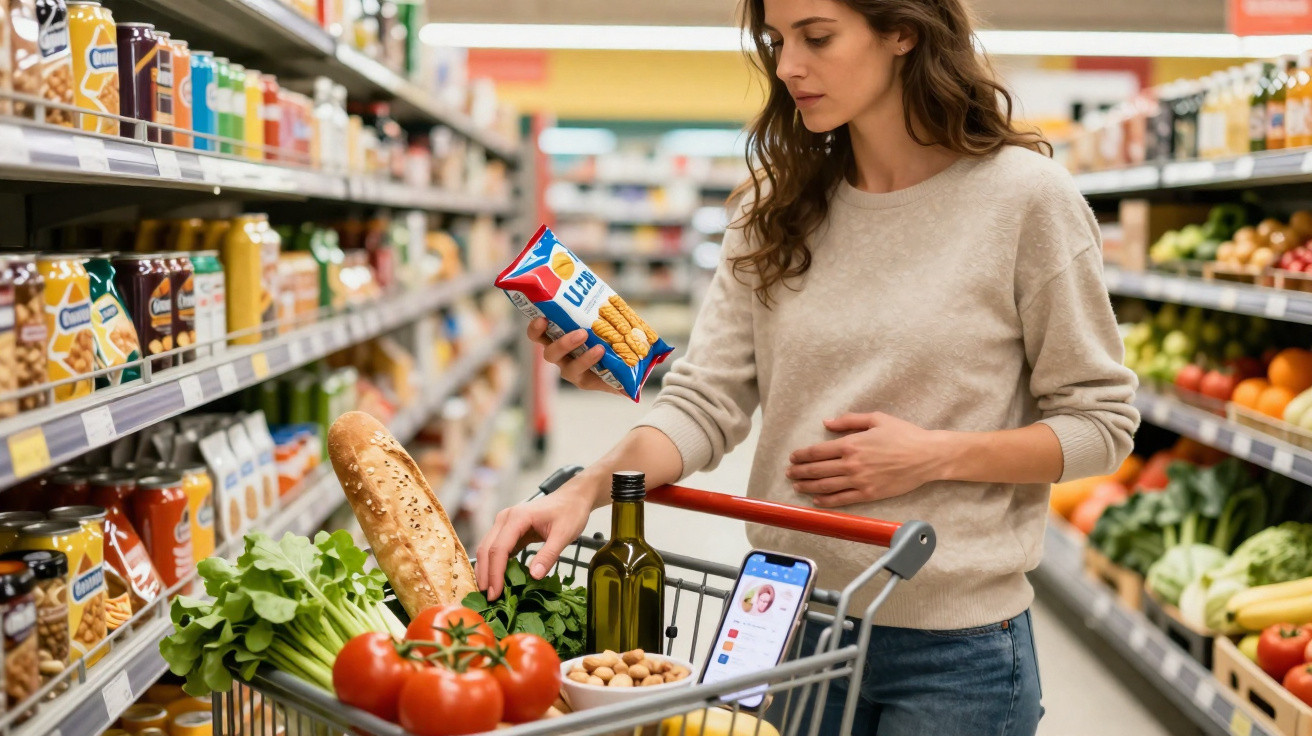
A new study takes a critical look at ultra-processed foods – precisely the products found in most shopping trolleys. Researchers in Canada have identified a clear association between the share of these products in women’s daily diets and fertility. The issue is not simply calories or excess weight, but hidden chemical exposures and disruption to the hormonal system.
What the study specifically examined
The research team at McMaster University used data from the large US National Health and Nutrition Examination Survey. Their analysis included 2,582 women aged between 20 and 45.
Each participant reported whether she had unsuccessfully tried to become pregnant for at least one year. This created two groups: women with and without indications of infertility.
The women also completed two detailed 24-hour dietary recalls. This allowed the researchers to track with considerable accuracy what they had eaten and how much of it came from ultra-processed products.
Key finding: the greater the proportion of ultra-processed foods, the higher the risk of reduced fertility.
On average, these products accounted for around 27 per cent of daily energy intake. Among women experiencing infertility problems, the figure was approximately 30 per cent. Although the difference may appear small, it showed a statistically clear link with fertility.
What qualifies as an “ultra-processed” food?
Highly processed, or “ultra-processed”, foods include far more than conventional ready meals. They undergo numerous industrial processing stages and often contain additives that would not usually be found in a home kitchen.
Typical examples include:
- packaged snacks such as crisps, corn snacks, biscuits and bars
- sugary drinks such as fizzy drinks and energy drinks
- frozen pizza and other ready meals
- processed meat, including sausages, nuggets and salami
- sweet breakfast cereals with long ingredient lists
A defining feature is that these products bear little resemblance to their original ingredients. Instead, they are commonly dominated by combinations of sugar, refined flour, cheap fats, flavourings and preservatives.
Why ready-made foods may affect fertility
The researchers found that the association between ultra-processed foods and reduced fertility remained even after accounting for age, lifestyle and body weight. This means the simple argument that they are merely “empty calories” does not hold up.
Instead, attention turns to another concern: chemical substances associated with processing and packaging.
Hormone disruptors in the food chain
Many industrially produced foods can contain substances that may influence the hormonal system. These include, for example:
- Phthalates – plasticisers used in plastics, including packaging and tubing
- BPA (Bisphenol A) – a chemical building block used in plastics and tin-can linings
- Acrylamide – formed when starchy foods are heated at high temperatures, such as during frying
These substances can transfer into food from packaging or processing equipment. They are known as “endocrine disruptors”, meaning substances that can interfere with the hormonal system.
Hormones control the entire cycle – from egg maturation to implantation of a fertilised egg. If this finely balanced system is disrupted, the chances of pregnancy fall.
Inflammation and gut bacteria as further factors
The study also points to two additional possible mechanisms:
- More inflammation in the body: Ultra-processed products are often high in sugar and trans fats, and have an unfavourable balance of omega-6 and omega-3 fatty acids. This may promote inflammatory processes, which can in turn disrupt egg maturation and preparation of the uterine lining.
- Disrupted gut bacteria: A diet low in fibre and high in sugar can weaken beneficial gut bacteria. These microbes affect not only the immune system but also hormone balance, including oestrogen metabolism.
The researchers stress that several of these factors may act together. The concern is therefore not only “fattening” snacks, but a collection of subtle effects that can accumulate over years.
The role of a Mediterranean-style diet
The team also assessed the extent to which a diet modelled on Mediterranean cuisine affects fertility. This dietary pattern is rich in:
- vegetables and fruit
- wholegrain foods
- nuts and seeds
- olive oil and other high-quality plant oils
- fish and pulses
Women whose diets aligned more closely with this pattern initially performed better in relation to fertility. However, once body weight was included in the calculations, the effect became weaker. This suggests that part of the benefit comes from this way of eating helping to prevent excess weight and metabolic disorders.
Nevertheless, one result remained striking: women who had not achieved pregnancy scored lower overall for Mediterranean-style eating than fertile women. This is a clear indication that dietary habits play a measurable role.
Why the degree of processing matters beyond nutrients
A key point from the study is that conventional nutrition labels do not tell the whole story. Two products with similar amounts of calories, fat and protein can affect health very differently depending on how extensively they have been processed.
Processing influences not only taste and shelf life, but also chemical exposure – and it often pushes fresh foods off the plate, even though they could protect our bodies.
People who eat a high proportion of ultra-processed products generally consume less fibre, vitamins and trace elements. Nutrients such as folate, iron and certain B vitamins, however, are important for ovulation, egg quality and a stable pregnancy.
What women can do in practical terms
The good news is that nobody has to transform their diet perfectly overnight. The researchers emphasise that even small shifts in everyday routines can make a difference.
Practical everyday tips when trying for a baby
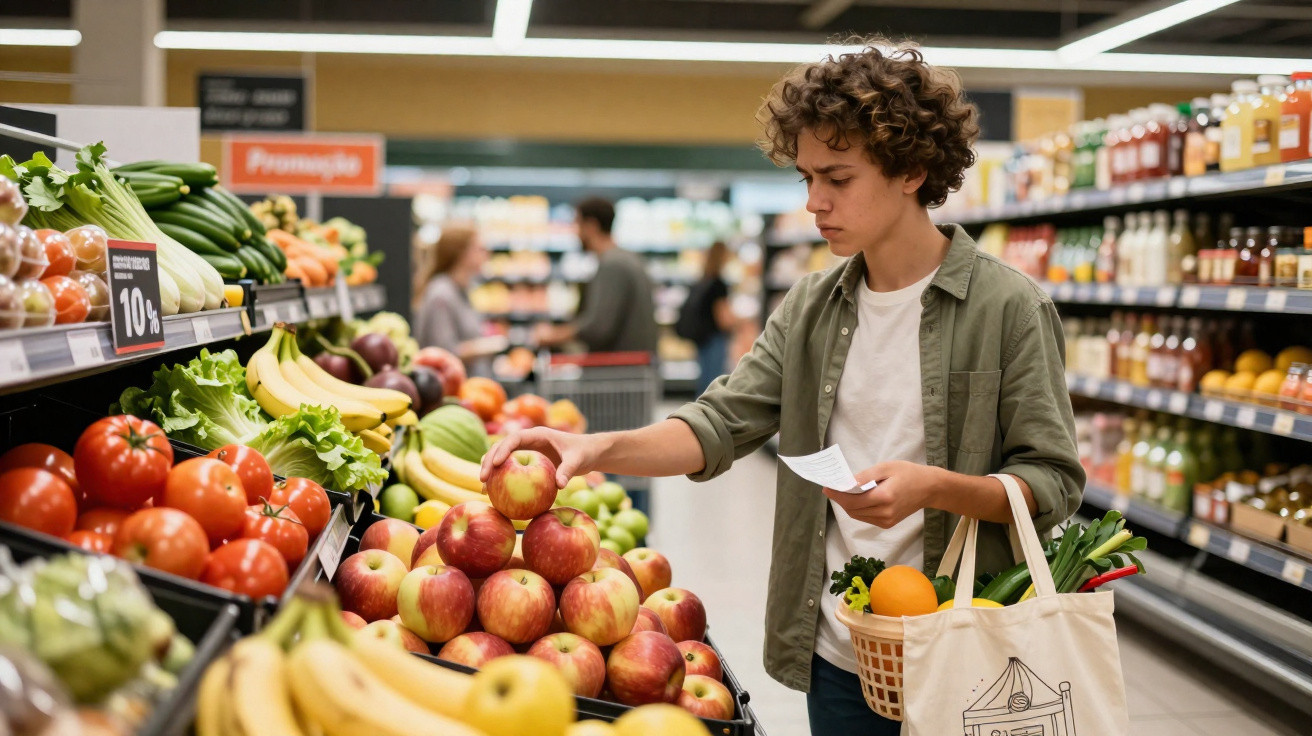
- Choose more “real” foods: When shopping, deliberately reach for fresh fruit, vegetables, plain yoghurt, nuts or pulses.
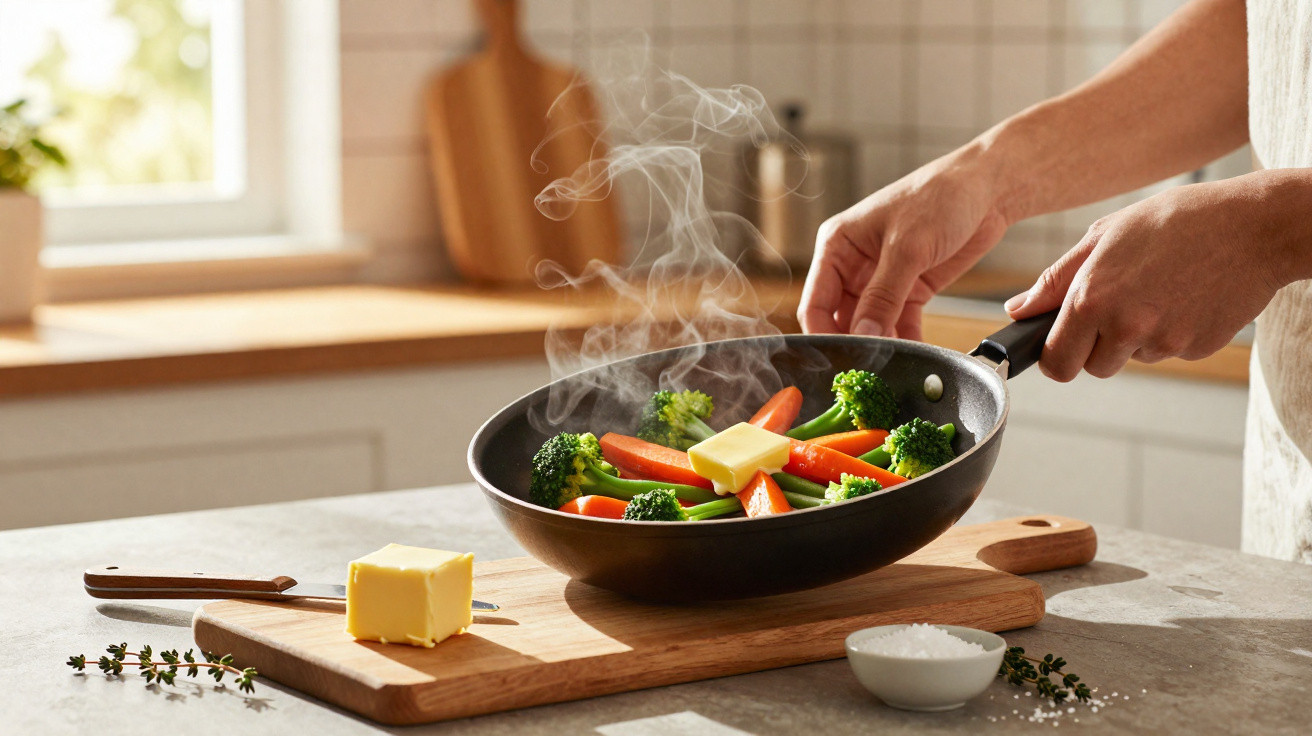
- Use a wooden spoon rather than a microwave: Replace ready meals with simple home-cooked dishes, such as roasted vegetables, soups and one-pan meals.
- Check the ingredient list: Leave products with long lists of E numbers, flavourings and processing aids on the shelf.
- Change your drinks: Gradually replace fizzy drinks and energy drinks with water, unsweetened tea or diluted fruit juice.
- Reduce packaging: Where possible, buy food in glass, paper or loose rather than in plastic packaging.
Anyone unsure where to begin can set a simple target: replace two typical ready meals each week with freshly cooked alternatives. This can be increased over time.
What “ultra-processed” means in detail
For context, it is useful to look briefly at the commonly used classification of foods according to their degree of processing:
| Level | Description | Examples |
|---|---|---|
| 1 | unprocessed or minimally processed | fresh fruit, vegetables, milk, eggs, nuts, raw meat |
| 2 | processed culinary ingredients | oils, butter, sugar, salt, flour |
| 3 | processed foods | bread with few ingredients, cheese, plain yoghurt, pickled vegetables |
| 4 | ultra-processed foods | snacks, ready meals, fizzy drinks, instant noodles, reformed meat |
For fertility, experts advise clearly favouring levels 1 and 3, while reducing level 4 as much as possible.
Why the focus on fertility is so significant
Until now, much of the research into ultra-processed foods has concentrated on obesity, diabetes and cardiovascular disease. The newly available data shift attention to a sensitive area: the ability to become pregnant.
The study was observational, so it cannot establish a direct cause-and-effect relationship. Even so, it reveals a clear trend that fits well with existing findings on endocrine disruptors and inflammation.
For women trying for a baby, this provides a practical area for change: those who prioritise more fresh, minimally processed foods early on and cut back on ultra-processed products create better starting conditions for their own fertility, while also supporting their heart, metabolism and long-term health.











Comments
No comments yet. Be the first to comment!
Leave a Comment