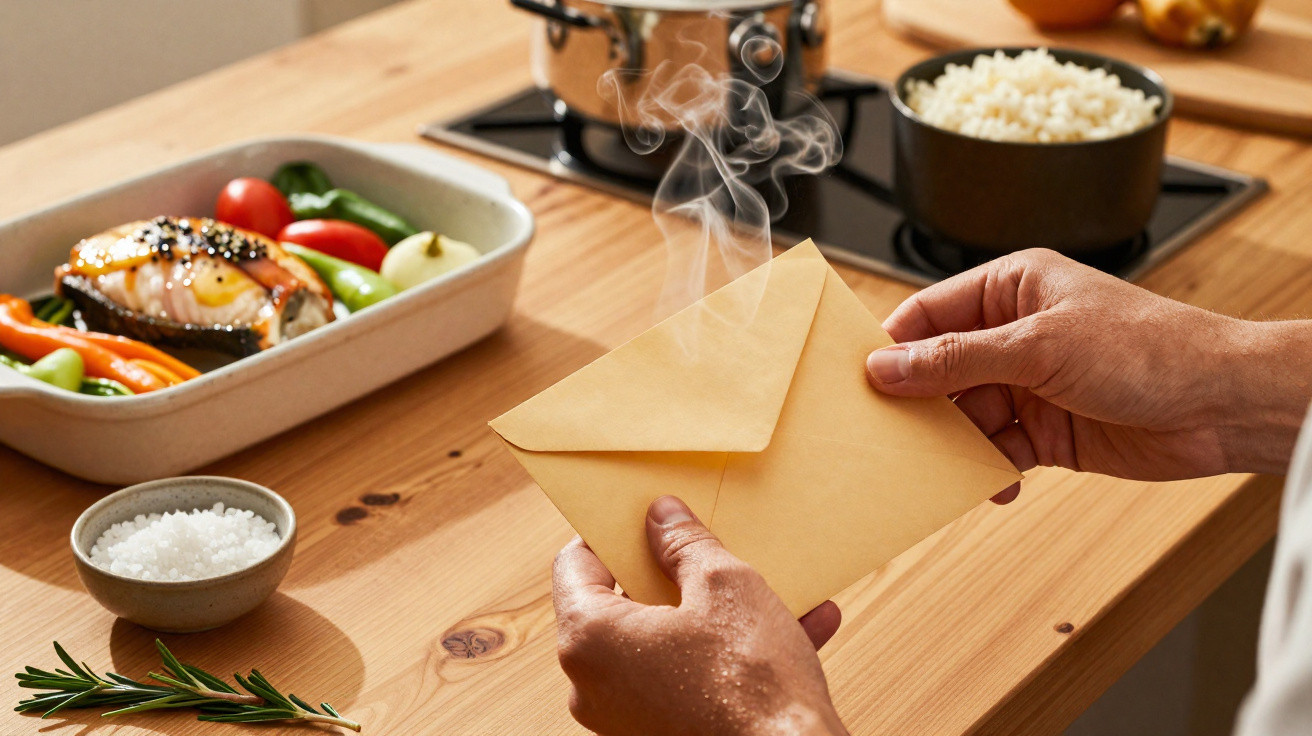
For anyone short of time in the evening but unwilling to reach for a ready meal, this cod en papillote offers a remarkably straightforward answer. The fish cooks gently in its own steam, the vegetables retain their bite, and the lemony juices taste as though you had spent far longer at the hob than the clock suggests.
Why this cod en papillote is ideal right now
Cod is an excellent fish for beginners: it has few bones, a mild flavour and a delicate texture. Pair it with seasonal vegetables and this speedy oven technique, and you have a dish that is easy enough for a demanding weekday yet elegant enough to serve to guests.
“Twelve minutes in the oven, fresh vegetables and tender fish – a light evening meal scarcely needs more than that.”
Cooking en papillote, meaning inside a sealed parcel, has several benefits. The fish stays moist, the vegetables flavour the cooking juices, and the oven remains largely clean. Each serving can also be seasoned separately, which is useful when people at the table have different preferences.
The essentials: ingredients that make the recipe work
The shopping list for four people is pleasingly short. Most items are available in supermarkets or at a local greengrocer, with no need for unusual ingredients.
- 4 cod fillets, about 150 g each
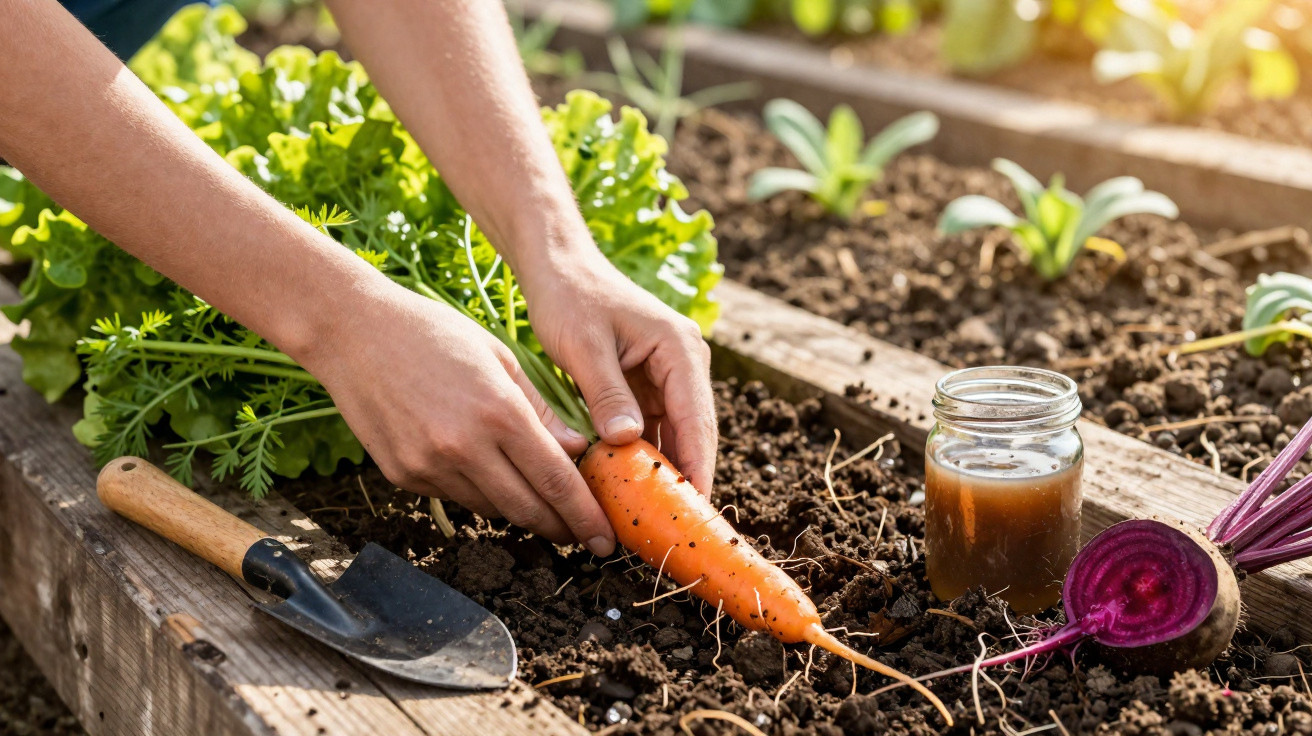
- 3 young carrots with their tops, ideally crisp and very fresh
- 2 leeks, using the white part only
- 1 unwaxed lemon
- 4 tablespoons dry white wine
- 4 teaspoons extra-virgin olive oil
- 4 sprigs thyme or a little fresh dill
- Sea salt or salt flakes, plus freshly ground black pepper
The appeal lies in the pairing of flavours: carrots contribute sweetness, leek brings a gentle onion note, lemon juice adds brightness and wine supplies depth. In the oven, these elements become a light, almost refined sauce, with no stirring or thickening required.
How to make 12-minute cod en papillote step by step
Prepare the vegetables
Set the oven to 180°C conventional heat. While it heats up, prepare the vegetables. Wash the carrots thoroughly and cut them into very fine matchsticks, known as julienne. The thinner the strips are, the more reliably the fish and vegetables will cook at the same rate.
Wash the leeks too, trim away the root end and any darker, tougher sections, then slice the remainder into thin rings. Both vegetables should sit loosely beneath the fish later, rather than forming thick chunks.
Assemble the parcels
Cut out four large sheets of baking parchment. Place a small bed of carrot matchsticks and leek rings in the centre of each sheet, then set one cod fillet on top.
Season lightly with salt and pepper, drizzle over one teaspoon of olive oil per portion, and add a tablespoon of white wine. Squeeze half the lemon and divide the juice between the parcels. If you wish, slice the remaining lemon thinly afterwards. One slice in each parcel adds flavour as well as an attractive finishing touch when serving.
Place a small sprig of thyme or some dill on each fillet. Fold the baking parchment into a tight parcel so that no steam can escape: firmly fold the long sides over several times, then fold in the ends. Each parcel should be sealed like a small envelope.
Cooking time: really only twelve minutes?
Arrange the finished parcels on a preheated baking tray and put them in the oven for exactly twelve minutes. This timing works surprisingly well for fillets around 2 cm thick: the fish remains slightly translucent in the centre without seeming raw, and separates easily into large, succulent flakes.
“The perfect point of doneness: the cod looks slightly glossy, divides effortlessly with a fork and remains a little translucent at its centre.”
If the fillets are noticeably thicker, they may need one to three extra minutes. When in doubt, carefully open one parcel and check it. If the fish is chalky white and crumbly, it has cooked too long. If it is still very translucent, return it to the oven, but only for short intervals.
Serving ideas: turning an oven parcel into a complete meal
The juices collected inside the parcels are too good to leave on the baking tray, so include a side dish that absorbs them well.
- Fluffy basmati rice: ideal for soaking up the lemon and wine sauce while keeping the meal light.
- Crushed potatoes with olive oil: more rustic and creamy, and an excellent match for leek and carrot.
- Crusty baguette: when time is especially tight, simply use bread to mop up the juices.
It is best to take the parcels to the table unopened. Each guest can open their own, releasing a fragrant cloud of steam that fills the kitchen for a few seconds. Serve the fish on plates afterwards or eat it straight from the parchment – both approaches feel relaxed and informal.
Fragrant variations for every season
This dish need not be reserved for spring, as it is easy to adapt throughout the year. The basic method stays the same while the supporting ingredients change.
| Season | Vegetable ideas | Distinctive effect |
|---|---|---|
| Spring | Fine asparagus pieces, sugar snap peas | Extra crunch and fresh green flavours |
| Summer | Courgette matchsticks, small tomatoes | More juiciness and a lightly Mediterranean note |
| Autumn | Thinly sliced fennel, mixed-colour carrots | Aniseed fragrance and a striking look on the plate |
| Winter | Root vegetables cut into very fine matchsticks | A more filling, gently sweet flavour |
If cod is unavailable when you shop, you can substitute it without difficulty. Pollock, haddock or hake all work with the same method. The key point is to choose pieces of similar thickness so that the cooking time remains accurate.
Healthy and practical: the principle behind cooking en papillote
When food is cooked in a parchment parcel, the fish’s own juices become a natural sauce. Very little added fat is needed, and the temperature inside the parcel remains slightly below the oven’s direct heat, helping to protect the fish’s texture. It is therefore particularly well suited to anyone looking for a light, protein-rich meal.
The technique is practical for another reason, too: no troublesome frying splatters, very little washing-up and individually tailored portions. For example, families with children can make one parcel with very little lemon and no wine, while preparing more highly seasoned versions for the adults.
Shopping and preparation tips
It is worth inspecting fish carefully when buying it. Fresh cod smells neutral to lightly saline, never pungent. Its surface should look moist but not slimy. If you use frozen fish, defrost it slowly in the fridge so that it does not release a pool of water that would later dilute the cooking juices.
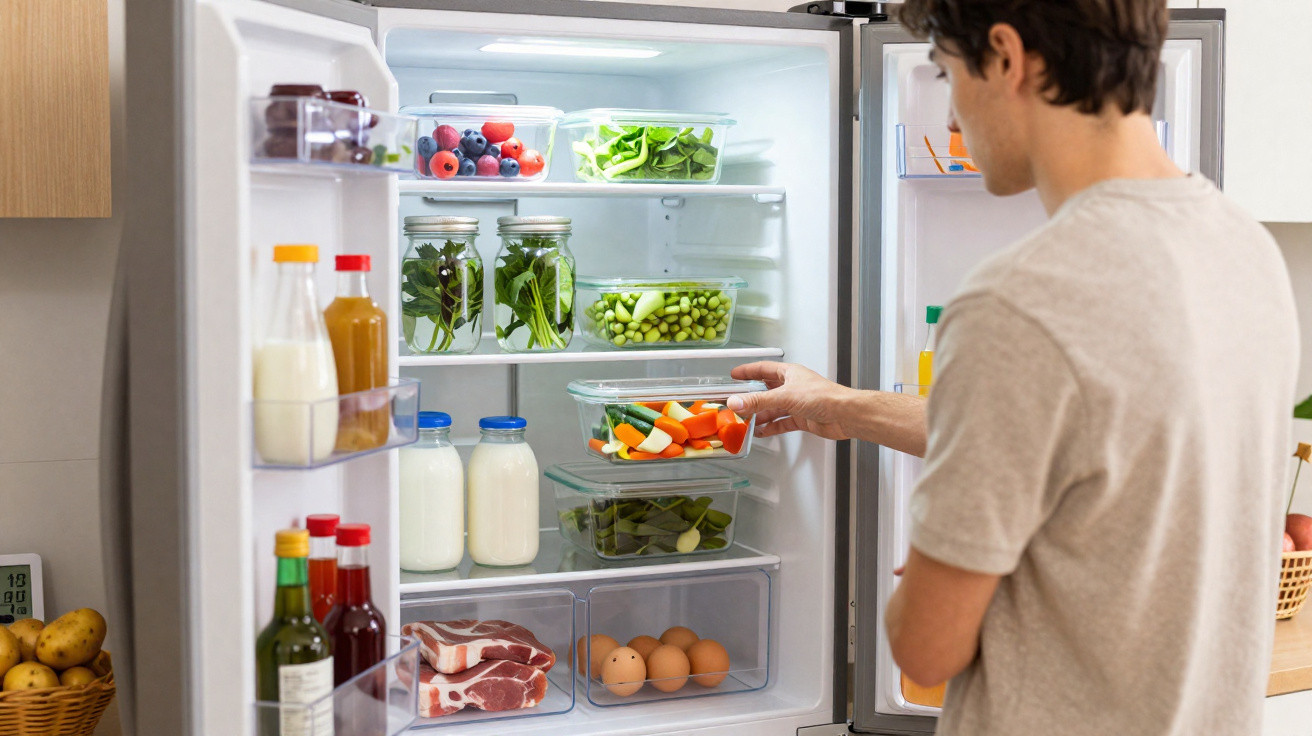
On particularly hectic days, prepare the vegetables in the morning and keep them in the fridge. In the evening, all that remains is to add the fish, season it and seal the parcels. Even on a weekday, a proper meal can then be on the table in twenty minutes – including heating the oven and laying the table – and it feels a world away from the usual emergency dinner of pasta with pesto.
For a little extra depth, experiment with seasonings: a touch of smoked paprika, one small bay leaf in each parcel or a few fennel seeds will immediately change the character of the dish. The important thing is not to overpower the fish – its own flavour should still come through.





Comments
No comments yet. Be the first to comment!
Leave a Comment