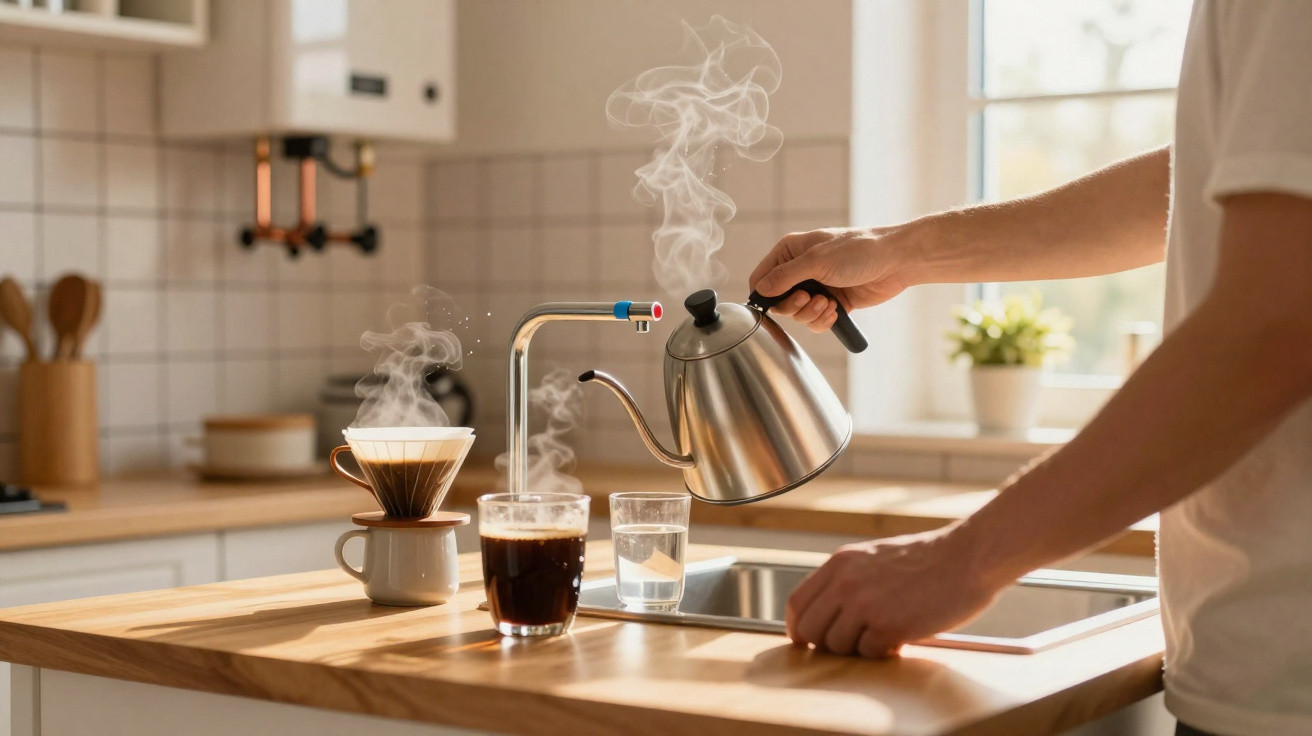
Many people turn to the hot tap in the morning for convenience – but doing so can spoil coffee and potentially harm health.
Using hot water from the tap seems efficient: the coffee machine is ready sooner and breakfast is prepared more quickly. Yet health authorities have warned for years against using hot tap water for coffee, tea or baby food. In legal and technical terms, it is not regarded as drinking water in quite the same way as cold water from the tap.
What authorities specifically advise for coffee
Health ministries and public health bodies are unequivocal: only cold tap water should be used for any food or drink prepared with water. Cold water is subject to strict monitoring and regular checks against limits for metals and germs.
“Cold tap water should always be used for coffee, tea, soup or pasta, and heated only afterwards.”
Hot tap water takes a different route before reaching the tap. It first passes through the domestic plumbing and then into a boiler or instantaneous water heater. These systems are not monitored in the same way as the public drinking-water supply. That is where the issue begins for your morning caffeine fix.
Why hot tap water is not ordinary drinking water
A home has two water routes: the cold-water pipe runs directly from the supply network, while the hot-water pipe passes through the property’s own plumbing and storage tank. Within this second system, substances can leach into the water at far higher levels than in cold water.
- Older homes: pipes or fittings may still contain lead components
- Newer installations: mainly copper and nickel pipes
- Water can remain in a boiler or storage tank for many hours
- Higher temperatures increase the solubility of metals
Tests by specialists sometimes find considerably higher metal levels in heated tap water. At 25 degrees, for example, water may contain around twice as much lead as it does at 15 degrees. Boiling the water afterwards does not solve the problem – quite the opposite.
Boiling kills germs, not metals
Many people assume that vigorous boiling makes everything “clean”. That is true for only some risks. Higher temperatures destroy many bacteria and other micro-organisms, but dissolved metals remain unchanged in the water.
“Boiling does not remove metals – water loss can even concentrate them.”
If 1 litre of tap water becomes three-quarters of a litre during boiling because water escapes as steam, the amount of metal remains the same. Its concentration per litre rises. As a result, the seemingly harmless use of hot tap water creates an avoidable extra exposure – every day and with every cup.
Metals in coffee: who needs to be particularly careful
Many older blocks of flats still contain old pipe sections or fittings with lead components. Estimates suggest that millions of homes are affected. Copper and nickel pipes are more common in newer buildings, but even these can release trace amounts after water has been standing for a long time.
Metals occur in tiny quantities throughout the environment. The concern arises when exposure is repeatedly elevated. The following groups are particularly sensitive:
- Pregnant women
- Babies and young children
- People with kidney disease
- Households in significantly older buildings
The permitted limit for lead in drinking water is very low: ten micrograms per litre. Even slightly raised levels may be problematic over prolonged periods, particularly for the development of a child’s nervous system. Anyone making coffee, tea and perhaps pasta or soup every day with hot tap water accumulates unnecessary additional exposure.
Water stagnation in the boiler: a breeding ground for bacteria
Metals are only part of the issue. Hot-water storage tanks usually operate at around 55 to 60 degrees. Although this protects against many germs, bacteria such as Legionella can thrive within certain temperature ranges.
“Boilers and storage tanks are intended for showering and washing up, not as a source of drinking water or coffee.”
In everyday use, water in parts of the system repeatedly cools down, while it may stagnate in seldom-used pipes or in the storage tank. Germs can multiply there, especially in larger systems or older homes. Drinking water from the public network presents this risk to a much lesser extent because it is constantly moving and subject to strict controls.
How to make safer coffee at home
A few straightforward habits can significantly reduce the risk – without needing to install a new kitchen.
1. Always boil cold water
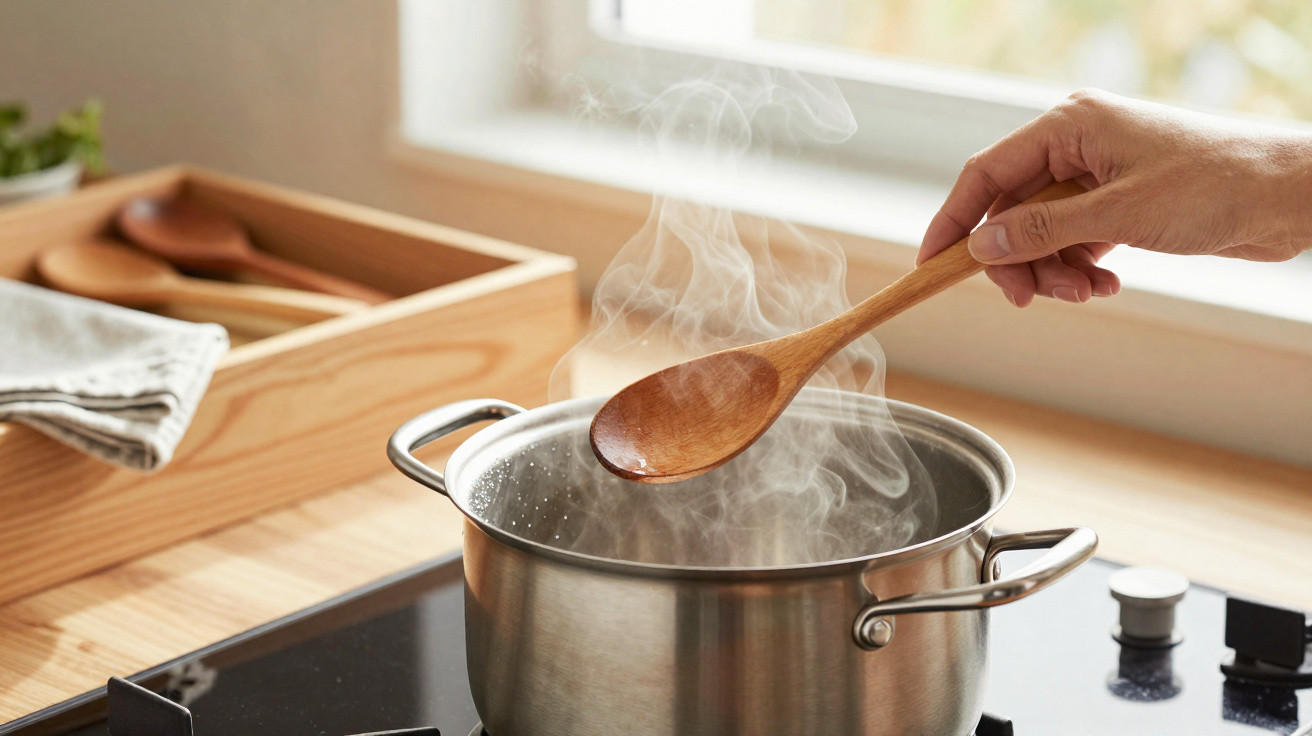
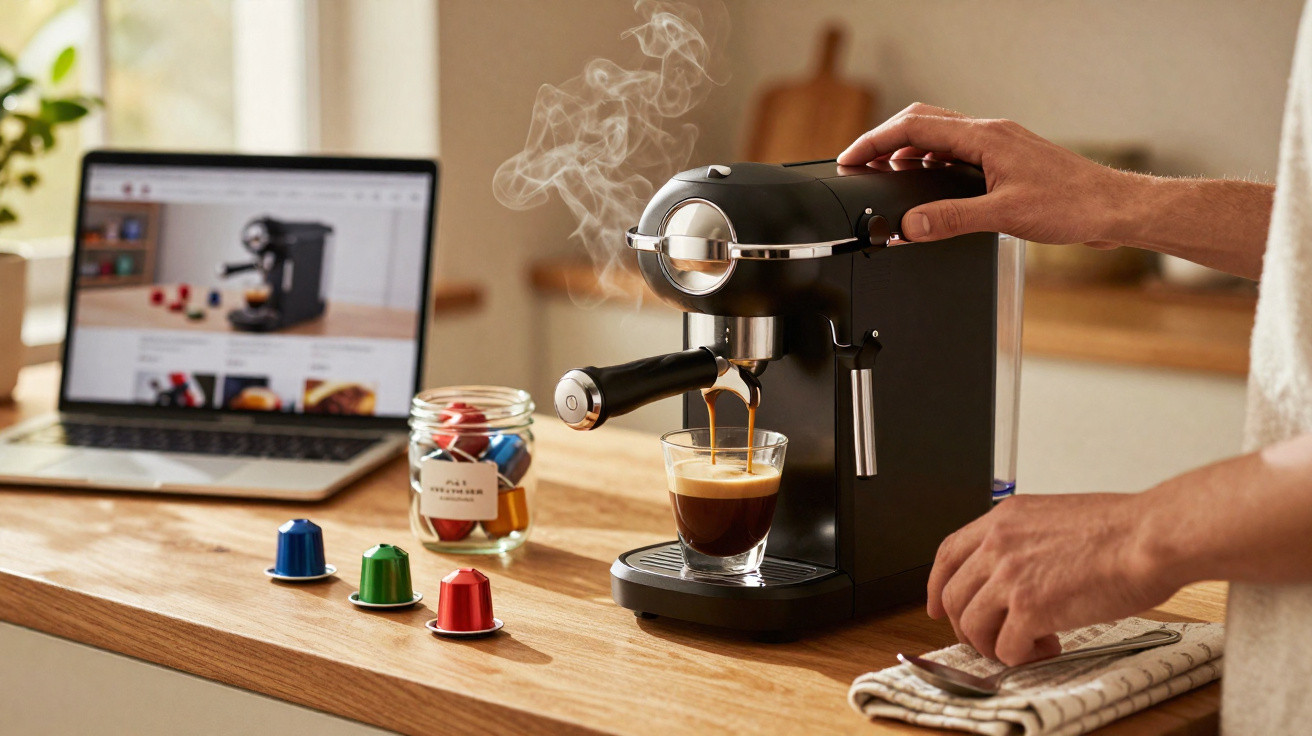
Fill your coffee machine, moka pot or kettle exclusively with cold tap water. This applies even when you are in a hurry. Those few extra seconds can make a noticeable difference to health, especially over the long term.
2. Run the water after a longer break
After overnight, a weekend or a holiday, water has been sitting in the pipes for hours. Let the cold tap run for one to two minutes before filling the kettle.
- Use the first water for plants or cleaning
- Then use fresh water for coffee, tea and cooking
This measure is especially worthwhile in older buildings with a greater risk of lead. Many people also find that their coffee tastes less metallic afterwards.
3. Keep an eye on the household plumbing
Anyone living in a very old property, or who is unsure, should find out what type of pipes are installed. A landlord, property manager or plumbing firm can confirm whether old lead pipes remain or modern materials have already been fitted.
| Building year | Typical risk | Recommended measure |
|---|---|---|
| before 1973 | increased lead risk | Check pipes and run water for longer |
| 1973–1990 | possible lead residues, more copper | Have installations checked and use cold water |
| from 1990 | more modern materials, especially copper and plastic | Standard hygiene; do not drink hot water |
Does coffee taste better with cold tap water?
There is also enjoyment to consider, not just health. Baristas and coffee roasters pay close attention to water quality because it has a major effect on flavour. Metals and old deposits from ageing pipes can often leave a dull, slightly bitter aftertaste.
People who fill their machine with fresh cold water frequently report cleaner flavours. Fruity and nutty notes are especially more pronounced in lighter roasts or hand-brewed coffee when the water contains fewer contaminants.
What filters, jugs and similar products really achieve
Many households already use jug filters or built-in systems. They can reduce certain substances, but they do not replace the fundamental rule: use only cold tap water for drinking and cooking.
- Replace filter cartridges regularly, otherwise germs can multiply
- Use filtered water promptly rather than leaving it standing for days
- If you are unsure about the pipes, consider arranging an additional laboratory analysis
For people living in hard-water areas, filters also protect coffee machines and kettles from limescale. This in turn affects brewing temperature and therefore flavour – a side effect that many consider beneficial.
Practical everyday tips without panic
There is no need to rush into refitting the entire kitchen after learning this. A calm review of your own routines is enough. If you normally turn on the hot tap each morning out of habit, simply switch to the cold tap.
Where children live in the household, it is worth establishing a set routine: first let the water run briefly, then fill the kettle while preparing the rest of breakfast. Only freshly drawn cold tap water should also go into the pan or cup when making baby food, instant drinks or packet soups.
A small switch to the right tap can therefore make a long-term contribution to your health – and in many kitchens, the coffee may even taste better than before.






Comments
No comments yet. Be the first to comment!
Leave a Comment