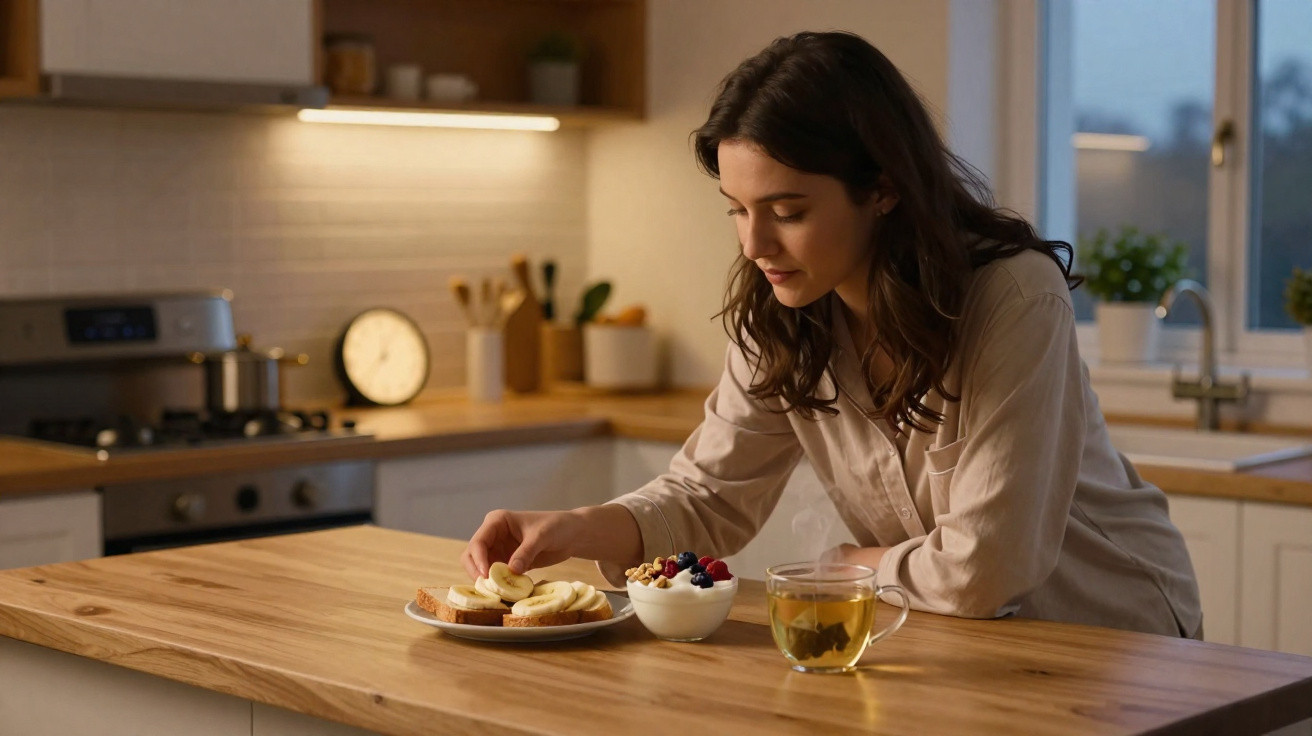
With the right snacks, you can even make your nights more restful.
Between the sofa, a box-set marathon and stress on your mind, hunger often appears in the evening. Many people then reach for chocolate, crisps or biscuits – and wonder why they sleep badly or wake up feeling exhausted. Yet a late-night snack can be perfectly fine when it is chosen wisely. Nutrition professionals recommend certain foods that not only satisfy hunger but may also specifically support sleep.
Why evening snacking is not always a mistake
Evening cravings can have many causes: a particularly light evening meal, late exercise, a long day or simply boredom. Your body is asking for energy – and there is nothing unusual about that at first. It becomes problematic when easily digested sugar-heavy foods send blood sugar levels soaring, only for them to drop again shortly afterwards.
Experts therefore advise choosing foods that:
- keep blood sugar levels as steady as possible,
- do not put strain on the body,
- and provide certain nutrients associated with sleep.
These include melatonin, magnesium, tryptophan, potassium and certain B vitamins. They have a direct or indirect role in regulating the sleep-wake cycle.
“The right snack helps your body settle down in the evening rather than unnecessarily stimulating it.”
1. Nuts – small powerhouses for the nervous system and sleep
Nuts, especially pistachios and almonds, are high on the list of recommendations. They supply several components that may promote sleep: melatonin, magnesium and healthy fats.
Melatonin is regarded as the “sleep hormone”. It tells the body that it is night-time. Some types of nut contain comparatively high amounts, with pistachios considered particularly interesting in this respect. Magnesium helps muscles relax and supports the nervous system.
Quantity matters, as nuts are calorie-dense:
- a small handful (around 20–30 g) is entirely sufficient,
- choose plain varieties, without sugar or heavy salting,
- chew slowly, as this can make it easier to notice when you are full.
Nuts also pair well with fresh fruit. Their fats slow the digestion of carbohydrates from the fruit. This helps keep blood sugar steadier and makes sudden spikes less likely.
2. Banana – gentle energy with a relaxing effect
Bananas are a classic evening snack. Naturally, they contain several notable nutrients:
- melatonin,
- magnesium,
- potassium for relaxed muscles,
- vitamin B6, which helps convert tryptophan into serotonin.
Tryptophan is an amino acid the body uses, among other things, to make serotonin. Melatonin is then formed from serotonin. A well-stocked “toolkit” of these substances supports a regular sleep rhythm.
However, people with digestive problems may sometimes be sensitive to bananas. In that case, it is worth trying a smaller portion or choosing another fruit, such as kiwi or berries.
To slow the rise in blood sugar, nutritionists advise eating bananas in combination with other foods, for example:
- sliced banana with a few walnuts or almonds,
- banana with a spoonful of almond butter,
- a small fruit salad with banana, plain yoghurt and chopped nuts.
3. Yoghurt – protein, calcium and tryptophan in one pot
Many professionals describe Greek yoghurt as an ideal base for an evening snack. It provides plenty of protein, tryptophan and calcium. The protein is filling without sitting heavily in the stomach. Calcium also has a role in the nervous system and hormone regulation.
A simple formula for a balanced late-night snack:
- one portion of Greek yoghurt or another creamy plain yoghurt,
- fresh fruit such as berries, kiwi or a little banana,
- a small amount of nuts or seeds,
- optionally, a small piece of dark chocolate for extra magnesium.
“Choosing yoghurt with fruit and nuts in the evening provides fullness, nutrients and sleep-supporting ingredients in one bowl.”
It is important to note that flavoured fruit yoghurts often contain a lot of sugar. Plain yoghurt, sweetened with fruit yourself, is the better choice.
4. Kiwi – an overlooked aid for longer sleep
Kiwi is less well known but worth considering. Some nutritionists point to studies in which people ate kiwis regularly before bed and then slept for longer and more efficiently.
The effect may be linked to the combination of:
- antioxidants,
- folate (vitamin B9),
- and substances that support serotonin production.
In research, participants ate one kiwi daily around an hour before going to bed. They reported noticeably longer total sleep time and fewer night-time awakenings. While the evidence is not yet sufficient for firm conclusions, it is certainly enough to make it a harmless everyday trial.
Kiwi works on its own, sliced with a little yoghurt, or as a light evening bite alongside a few nuts.
5. Sour cherries – tart varieties are especially promising
Another suggestion is sour cherries, particularly certain specialist varieties with a high melatonin content. They provide both melatonin and tryptophan. In studies, they performed surprisingly well among people experiencing sleep difficulties.
Many participants reported:
- falling asleep more quickly,
- sleeping for longer,
- and subjectively better sleep quality.
They are practical fresh when in season, frozen as a yoghurt topping, or as pure juice with no added sugar. Anyone sensitive to fruit acids should test small quantities first to rule out stomach discomfort.
How to plan your evening snack properly
The foods mentioned are most effective when eaten with some time before bed. Nutrition professionals generally recommend a window of around one to two hours before going to sleep.
A few practical examples:
- After a late workout: a small yoghurt with banana and nuts.
- During a box-set evening: a bowl of pistachios or almonds instead of crisps, along with a kiwi.
- After a stressful day: a glass of cherry juice and a small handful of nuts.
Portion size remains important: the aim is light, pleasant fullness, not a second evening meal. Regularly eating far too late and in excessive amounts risks not only digestive problems but also weight gain over time.
What these nutrients do
Melatonin: the timekeeper for the body clock
Melatonin is produced mainly in the pineal gland in the brain. Its level normally rises in the evening and drops again in the morning. Light, especially from screens, can disrupt this pattern. Foods containing melatonin provide only comparatively small quantities, but they can support the natural system – particularly when other sleep habits are reasonably sound.
Tryptophan, serotonin and mood
Tryptophan is one of the essential amino acids. The body cannot produce it itself, so it must come from food. The body makes serotonin from tryptophan, a messenger substance that affects mood and wellbeing. Melatonin is then produced from serotonin. This explains why protein-rich snacks containing tryptophan, combined with a little carbohydrate, often work well in the evening.
Magnesium and potassium for relaxed muscles
Magnesium is found in nuts, dark chocolate and wholegrain foods. It aids muscle relaxation and is associated by many people with a sense of calm. Potassium, which is present in bananas among other foods, supports the normal function of muscles and nerves. Those who twitch in the evening, feel tense or often get calf cramps frequently benefit from a diet that pays attention to magnesium and potassium.
When you should be more cautious
Even snacks that are generally beneficial may call for restraint in some situations. People with sensitive stomachs sometimes do not tolerate fruit with a high acid content late in the evening. Those who experience heartburn may occasionally react to large amounts of yoghurt or very fatty nuts.
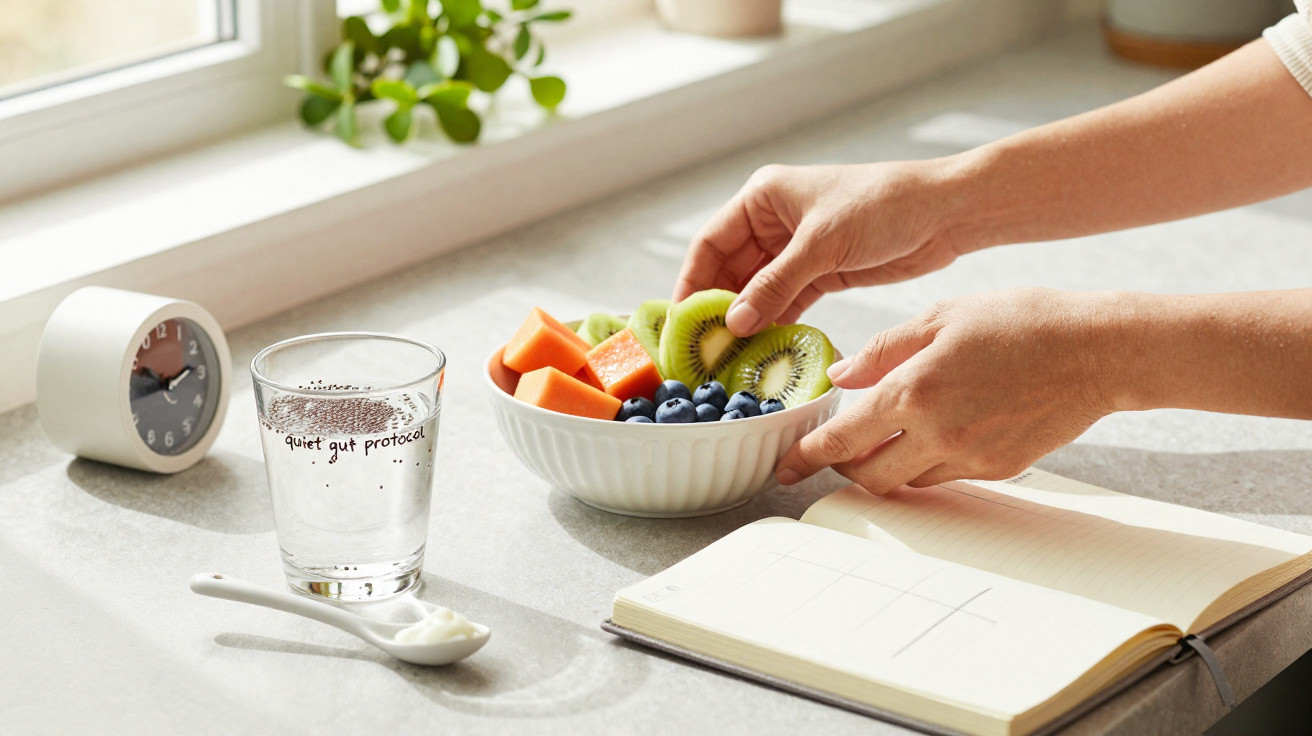
Keeping a brief record can help: which snacks did you eat, how did you sleep, and did you have any discomfort? This allows you to find your own evening routine step by step – one that supports both enjoyment and good sleep.













Comments
No comments yet. Be the first to comment!
Leave a Comment