The supermarket milk shelf was nearly bare, with only a handful of bottles left at the back. A father in a hoodie stood in front of it, phone in hand, scrolling with the anxious expression that has become all too familiar. Beside him, his young daughter pulled at his sleeve and asked whether they could still get yoghurt for her school snacks.
A food recall alert was displayed on his phone.
It was not about an unusual spice or a little-known frozen dish. It concerned a product that sits quietly in millions of refrigerators, opened and shut countless times a day without attracting much thought.
He picked up a bottle and examined its label more closely than he had done in years.
Something completely ordinary had abruptly become uncertain.
A familiar staple under sudden suspicion
The recalled item is straightforward and recognisable: sliced deli ham, the sort used in packed lunches, toasted cheese sandwiches and Sunday-evening ham-and-cheese toasties. This week's health-authority alert covers several batches distributed nationally through major supermarket chains.
Behind the formal announcement is an uncomplicated fact: many households may have eaten some of the product yesterday, or the day before.
The recall cites possible contamination with Listeria monocytogenes, a bacterium capable of causing serious infections, particularly among pregnant women, older people and those with weakened immune systems.
For food that normally seems entirely innocuous, the word “Listeria” can feel like a shock of cold water.
Consider Emma, 34, who lives just outside the city with her two children. She did not learn of the recall from the shop, but via a friend's Instagram story. The image, with a red circle around it, showed the exact brand of cooked ham she had bought on offer that week.
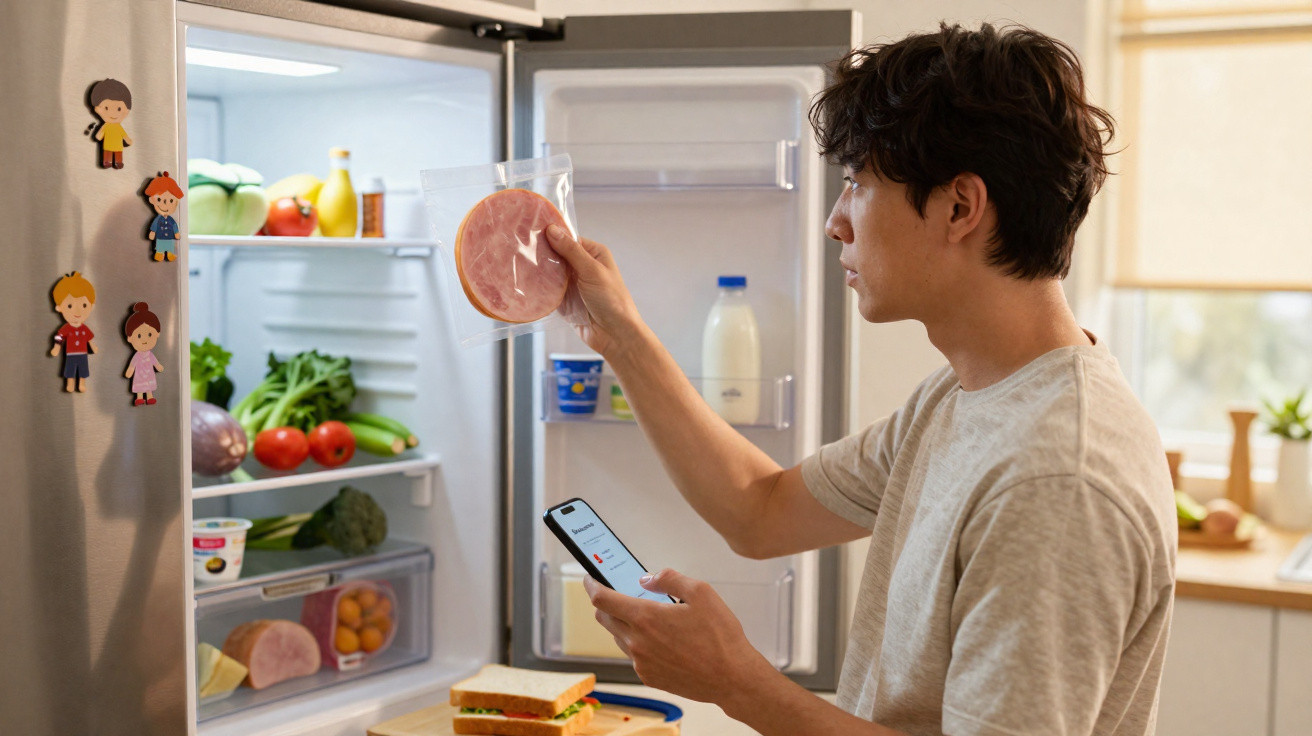
She set down her phone, opened the fridge and found it there: half a pack, already opened, beside the cheese. “My five-year-old ate two slices yesterday,” she told us, still visibly unsettled.
With slightly shaking hands, she checked the batch number on the back. It was the same as the number on the online list. In that small, everyday scene by a brightly lit fridge, the distance between routine and danger suddenly seemed very narrow.
Food recalls remain theoretical until one arrives in your own kitchen. We often picture industrial food incidents as events happening far away in anonymous factories. But the ham, yoghurt and ready-made quiche on the middle shelf represent the final stage of a long and delicate chain.
Listeria is not a new hazard. It can survive in cold conditions, leaving chilled foods kept in the fridge for several days particularly vulnerable. Cooked meats, soft cheeses and prepared salads are all regular choices in busy households.
The recall system exists because food production can never offer zero risk. It is a blunt truth that no one particularly wants to confront. Ignoring an alert, however, does not remove the bacteria; it simply leaves the risk on our plates.
What to do if recalled sliced deli ham is in your fridge
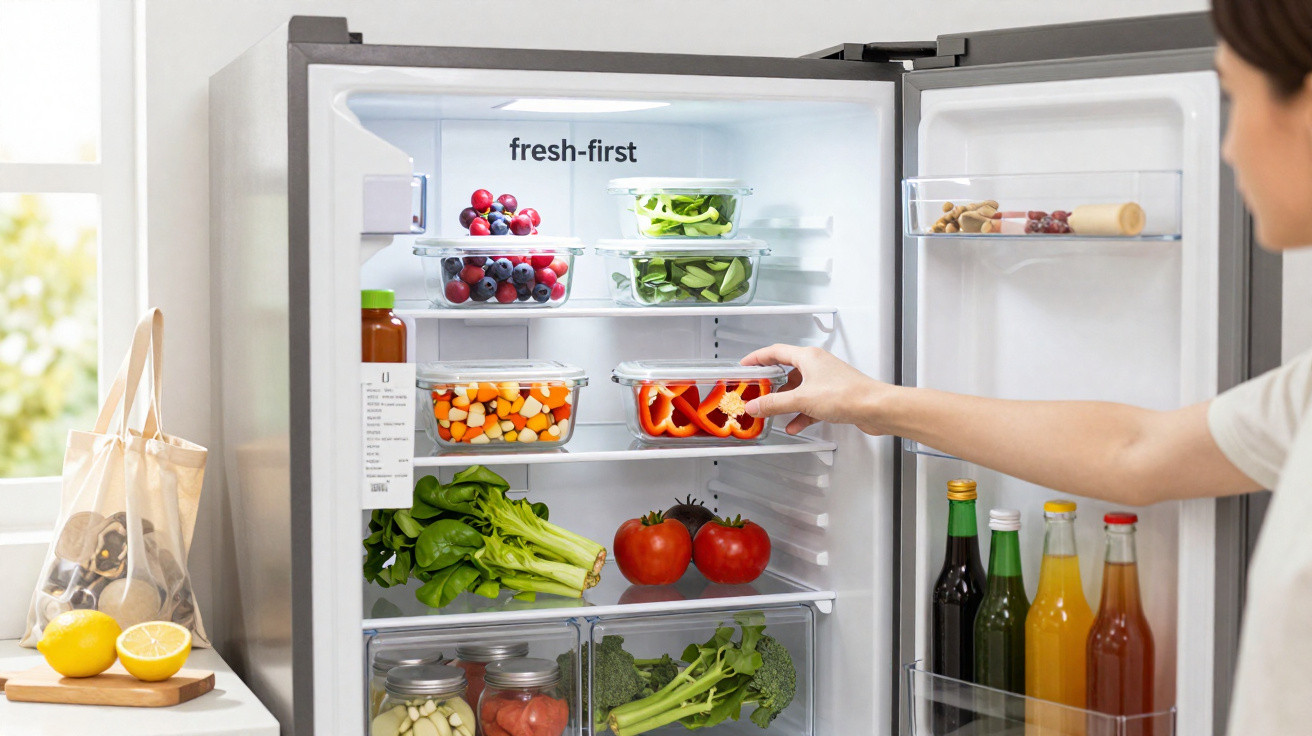
The initial step is straightforward: check your fridge, remove any cooked or sliced ham bought during the previous two weeks, and inspect the label. The brand, product name, use-by date and lot number are the four details that matter.
Food-safety agency websites and supermarket apps list recalled batches with near-forensic accuracy. Comparing sequences of letters and numbers can seem laborious.
Nevertheless, those few moments spent holding the packet may provide your most effective protection. If your ham appears on the recall list, do not eat it, even if it looks and smells fine. Listeria provides no visual or smell-based warning.
After identifying a potentially affected pack, there are two choices: dispose of it safely or return it to the shop for a refund, in line with the brand's guidance. People often feel uneasy about wasting food and may hesitate, particularly where a product is only “potentially” affected.
We have all experienced that moment of balancing health concerns against the money already spent. But this is not an occasion to gamble with leftovers.
Pregnant women, older family members and toddlers are especially at risk. Even if you consider yourself “robust”, think about anyone else who could share that sandwich or snack.
Few of us monitor recall notifications routinely. Honestly, almost nobody does it every day. That is why several modest habits can help without making everyday life feel like a constant inspection.
“Food recalls are not there to scare people, but to correct a chain that went wrong somewhere,” explains a public health expert we contacted. The goal is to get the right information to the right fridge, at the right moment, before the product is eaten.
To remain informed without becoming preoccupied, consider these practical measures:
- Turn on notifications from a reliable food-safety or consumer app
- Retain receipts or digital purchase records for at least one week
- Inspect labels when opening a fresh pack, rather than only when purchasing it
- Send recall details to family group chats when you come across them
- If unsure, ask the brand or retailer instead of making assumptions
Rethinking what safety means in the fridge
A recall involving something as commonplace as sliced deli ham raises a wider issue. How many items do we pile into our fridges automatically, placing more faith in familiar branding and logos than in the uncomfortable reality of food-related risks?
A refrigerator often mirrors a household's pace: hurried mornings, busy evenings, snacks eaten between meetings and leftovers stored “just in case”. When an alert arrives, it can feel as though somebody has flicked on an unforgiving fluorescent light in a place we would rather regard as warm and uncomplicated.
Yet there is an opportunity within it too. It is a reason to pause for a few minutes: to read, sort, discard and discuss. It can help teach children what dates signify, why smelling and tasting is not always a safe way to assess food, and why kitchen responsibility should be shared rather than shouldered by one person.
You may not alter your shopping routine overnight. Once the batches have been confirmed as safe, you may still buy that familiar ham next week. Confidence in food systems is not destroyed by one recall, nor is it restored by one headline.
But the next time you prepare a sandwich for a school trip or cut meat for a quick evening meal, this story may prompt a small reminder. You may look at the label a little more carefully.
Rather than scrolling by, you may send a recall link to a friend. That minor action could prevent someone else's anxiety, another late-night online search for symptoms or another half-open packet becoming a cause of concern.
Food safety does not mean being frightened of everything on your plate. It means recognising the subtle signs we usually overlook: a notice by a supermarket entrance, a brief email from a loyalty scheme or a low-key post on an official website.
When a product as unremarkable as deli ham reaches the headlines, it shows that modern convenience depends on thousands of small technical safeguards. On most days, they work so effectively that we barely notice them. When they fail, a recall alert forms a link between remote factories and the centre of our kitchens.
How we respond then - by ignoring it, panicking or checking calmly and taking action - reveals much about the consumers and carers we are trying to become.
| Key point | Detail | Value for the reader |
|---|---|---|
| Check product details | Match the brand, product name, date and lot number against official recall lists | Establish quickly whether the ham in your fridge is affected |
| High-risk groups | Pregnant women, older people and those with weakened immunity face greater Listeria risks | Helps focus protection on the most vulnerable people at home |
| Adopt simple habits | Enable alerts, keep receipts for a short time and share recall information with family | Remain informed without making daily life stressful |
FAQ:
- Question 1 What precisely is included in this recall alert?
- Question 2 Which symptoms should I look out for if someone has eaten the recalled ham?
- Question 3 Can I cook the ham thoroughly and still eat it safely?
- Question 4 Will I receive a refund if I take an opened pack back to the shop?
- Question 5 How can I keep up with future recalls without checking websites constantly?



Comments
No comments yet. Be the first to comment!
Leave a Comment