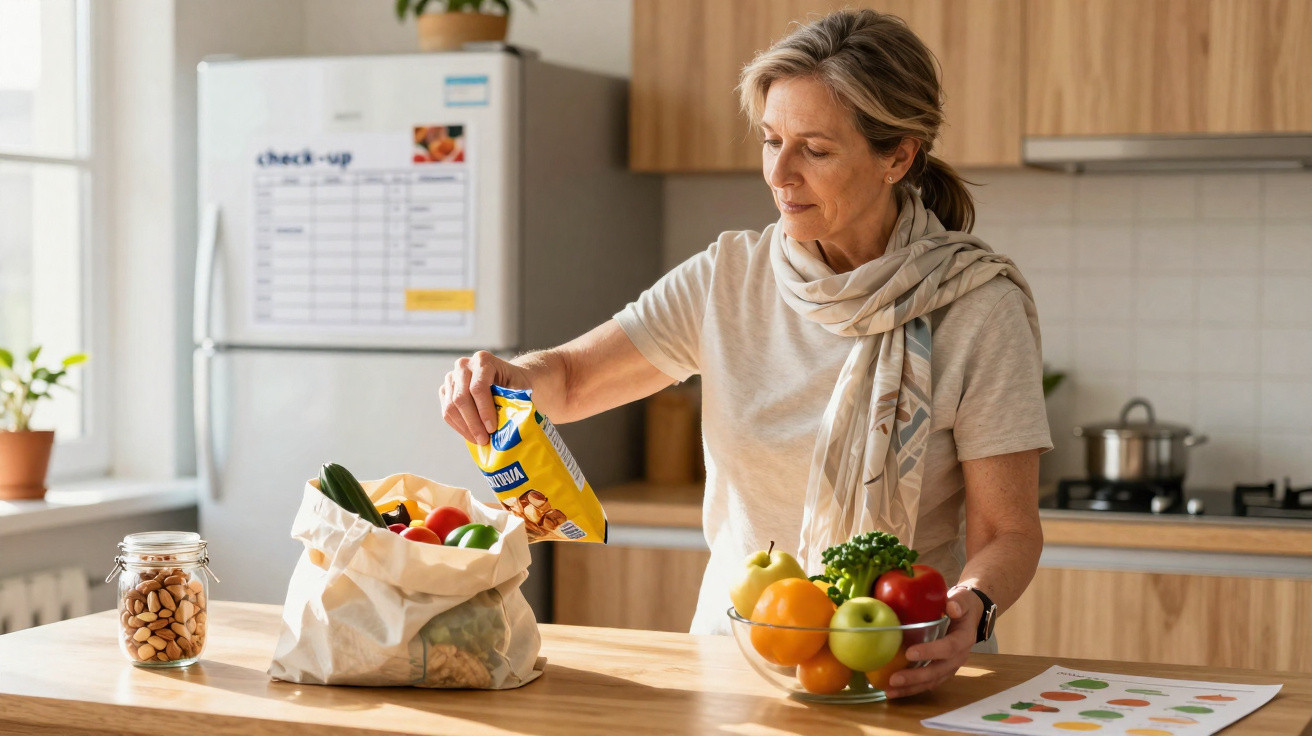
Many people pay closer attention to vitamins, fibre and “healthy” food after receiving a diagnosis. A large Italian long-term study now suggests that nutritional values are not the only consideration. How heavily food is industrially processed may significantly affect the survival prospects of cancer survivors - even when calorie, fat and sugar levels appear acceptable on paper.
Long-term Italian study: findings from 802 cancer survivors
For their analysis, the team used data from the well-known Moli-sani study in southern Italy. It included 802 women and men who had survived cancer. On average, 8.4 years had passed between their initial diagnosis and the detailed dietary assessment. Researchers then followed the participants for almost 15 years.
During that period, 281 people died, including 149 from the consequences of their cancer. The researchers divided the group into three categories according to the proportion of highly processed products in their diet, ranging from “very little” to “very much”.
In the third with the highest intake of highly processed foods, the risk of death from any cause was 48 per cent higher than in the third with the lowest intake.
For cancer-related deaths, the increase was as high as 57 per cent. The findings were published in the specialist journal Cancer Epidemiology, Biomarkers & Prevention and reported by several science media outlets.
The association remained clear after adjustments
To isolate the effect as reliably as possible, the researchers adjusted for numerous potentially confounding factors. These included:
- age and sex
- smoking status
- physical activity
- body mass index (BMI)
- the types of cancer treatment received
- overall adherence to a Mediterranean diet
Even after all these adjustments, the link between high consumption of highly processed products and increased mortality remained clearly visible. Nutrient balance alone therefore did not fully account for the difference.
What counts as “ultra-processed” food?
Many people associate these products only with fast food, crisps and fizzy drinks. However, the scientific category is far broader. It includes foods made from heavily altered ingredients, often with lengthy ingredient lists and numerous additives.
Typical features include:
- starches, isolated proteins or vegetable oils in place of whole foods
- flavourings, colourings, sweeteners and flavour enhancers
- emulsifiers, stabilisers and thickeners
- heavily engineered textures designed to be especially “crunchy”, creamy or soft
Everyday examples include:
- pre-seasoned snacks and crisps
- frozen pizza and many ready meals
- confectionery bars, biscuits and packaged baked goods
- sweetened breakfast cereals
- some processed meat and meat-substitute products
- “light” drinks containing sweeteners
Compared with fresh or minimally processed foods, such as porridge oats, plain yoghurt, vegetables, fruit and pulses, this industrial processing changes the structure of food - known as the food matrix. That matrix affects how the body processes nutrients and how strongly the metabolism and immune system respond.
How highly processed diets can strain a weakened body
The research team looked for clues that could explain the association biologically. They used two measurements:
- C-reactive protein (CRP): a blood marker of inflammation in the body
- Resting pulse: heart rate at rest, a subtle indicator of cardiovascular strain
When these factors were included in the analysis, the statistical association between highly processed foods and mortality weakened by around one third. This suggests that persistent inflammation and extra cardiovascular strain may play a central role.
Particularly salty snacks and “savoury” nibbles showed a notable association with a higher risk of death, pointing to a cumulative effect of frequent snacking.
For people whose hearts have already been affected by chemotherapy or radiotherapy, every additional strain may carry greater weight. A persistently slightly raised pulse and chronic inflammation can act like a constant small fire within the body.
Why cancer survivors may be more sensitive
Following cancer treatment, many organs recover only slowly. Hormonal balance, metabolism and blood vessel walls often remain short of their original condition even years later. Some people develop high blood pressure, lipid metabolism disorders or weight gain.
A diet that promotes inflammation may further disrupt this delicate balance. There may also be interactions with medicines, alongside reduced muscle mass that is less able to buffer sugar and fats.
Study limitations - and what still makes it compelling
The study does not provide a final answer as to whether highly processed foods directly cause death. It was observational in design. Participants reported their own dietary habits through questionnaires, so errors and inaccuracies were unavoidable.
The severity and spread of the original tumours also did not play a central role in the analysis because only limited data were available. It is possible that people with more severe illness ate differently from those less seriously affected from the outset.
Despite these limitations, the association between highly processed products and higher mortality remained stable even after extensive statistical adjustments. The researchers therefore regard the level of processing as an independent influencing factor, separate from calorie intake or sugar and fat content.
What people affected can practically take from the findings
Nobody needs to become a kitchen perfectionist after a diagnosis. Instead, the data point towards changing the balance: fewer industrial products and more simple, recognisable foods.
A practical everyday approach:
- Check the ingredient list: The shorter and easier it is to understand, the better. If half of it sounds like laboratory chemistry, it may be best to leave it on the shelf.
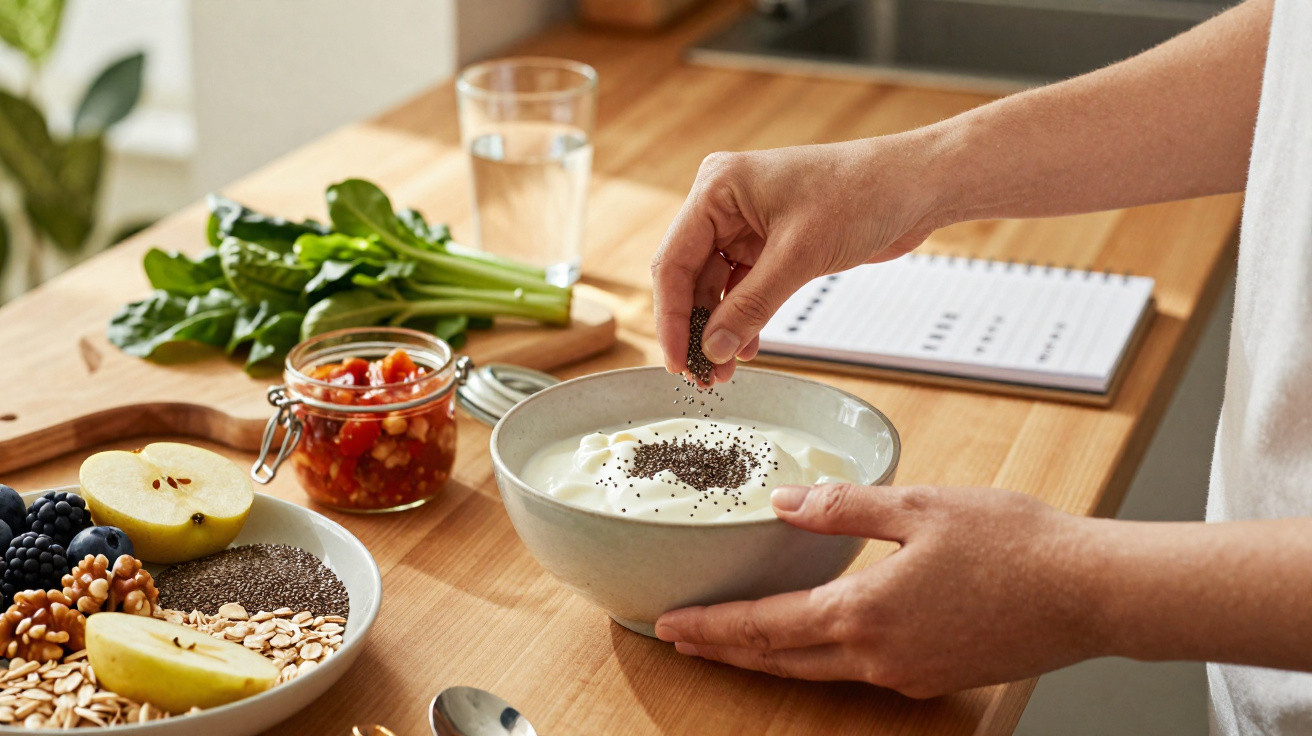
- Choose basic foods: Have plain yoghurt instead of a sweetened dessert, porridge oats rather than sugary cereals, and nuts instead of crisps.
- Limit ready meals: Do not make frozen pizza, lasagne and similar products the norm; keep them as an occasional exception.
- Rethink snacks: Vegetable sticks, fruit, a cheese sandwich or hummus with wholemeal bread are filling too, without an endless list of additives.
- Change drinks: Choose water, tea, unsweetened coffee and diluted juices instead of soft drinks and light fizzy drinks.
How quickly better habits may pay off
Even modest changes can have noticeable effects. Replacing crisps and salty crackers three evenings a week with a handful of nuts, some cheese or plain popcorn means consuming substantially fewer additives, less salt and less refined fat. Blood sugar becomes steadier, blood pressure tends to fall, and inflammation markers may decrease.
Oncologists, nutritional medicine specialists and GPs repeatedly report that patients who eat more fresh food and fewer ready-made products often sleep better, have more energy and feel psychologically more stable. Although these subjective improvements are difficult to measure, they can make everyday life considerably easier.
Why the food matrix is becoming more important
Nutrition research is increasingly shifting its focus away from simply calculating nutrients and towards the overall structure of food. The underlying idea is that an apple is more than the sum of its fruit sugar, fibre and vitamin C. The way fibre, water, plant compounds and sugar are connected influences digestion, satiety and immune responses.
Highly processed products often break down these structures. Sugar and fat become available more quickly, gut bacteria receive less fibre, and emulsifiers and sweeteners may irritate the gut barrier. For a body already marked by cancer and treatment, this ongoing strain may make the difference between stable and fragile health.
Anyone seeking to live longer after a cancer diagnosis can benefit greatly from close medical monitoring, exercise, stopping smoking - and, apparently, from taking a critical look at what arrives on the plate each day from bags, tins and packets.










Comments
No comments yet. Be the first to comment!
Leave a Comment