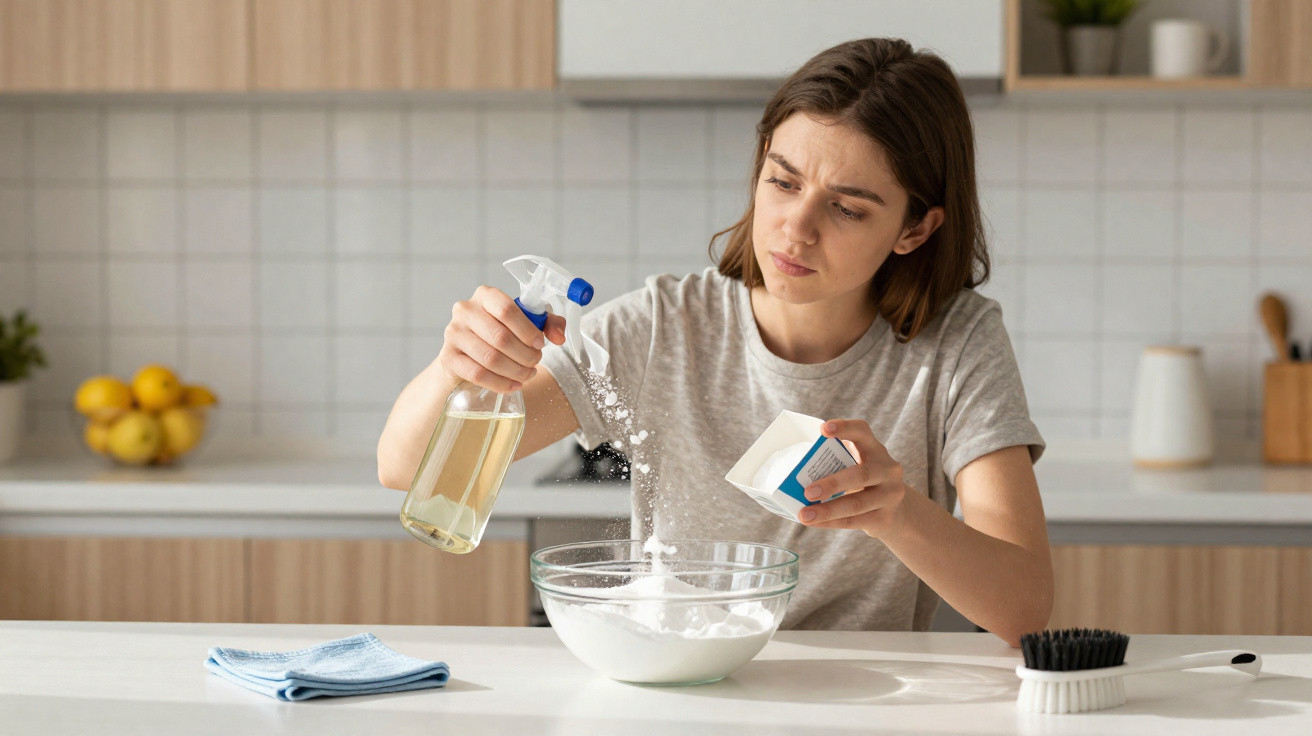
On the worktop, a glass jar erupted in fizz and foam like a miniature volcano: vinegar and baking soda performing their familiar, internet-famous routine. Wearing rubber gloves, my friend Emma watched with approval, sure she had created some sort of “super cleaner” for her greasy oven door.
A few minutes afterwards, she wiped the door down. The brown marks were... still there. The promised shine had not materialised, leaving only a damp, dull smear and a slight sense of frustration.
She looked from the partly used vinegar bottle to the open baking soda box. “But TikTok said this was magic,” she said. The foam had seemed so forceful, persuasive and made for sharing.
But what if that well-known fizz is largely for show?
Why your beloved vinegar + baking soda combo is quietly failing you
Vinegar and baking soda both deserve a spot beneath the kitchen sink. They are inexpensive, feel “clean”, and do not leave your home smelling like a laboratory. Used separately, each can tackle plenty of everyday messes. That is precisely why combining them seems sensible: surely two useful cleaners must be even better together.
Yet that is not what happens in the sink, toilet or on a sticky hob. The moment you combine them, they react rapidly and vigorously. All that impressive fizz is, in effect, each product cancelling out the other’s useful properties. What remains is far nearer to mildly salty water than a cleaning superweapon.
It may look powerful, but the science tells a different story.
Consider how widely this myth has travelled. Search for “natural cleaning” and you will find endless videos of foaming drains and gleaming tiles, all supposedly produced by this “magic duo”. Pins, Reels and Shorts number in the thousands. A 15-second video of a blockage vanishing beneath a heap of foam is far more compelling than a dry chemistry lesson.
One woman I spoke with was devoted to the mixture for her shower tiles. She would pour on vinegar, scatter baking soda, watch it bubble, scrub, and then feel pleased with the result. Later, a professional cleaner treated one half of that same shower with only hot water and a suitable detergent. That side came up brighter. Her eyes widened. “So… what have I been doing for the last three years?”
On social media, foam means power. In reality, foam may simply mean reaction finished.
Here is what is really happening. Vinegar is an acid, specifically acetic acid, while baking soda is a base, sodium bicarbonate. When they come together, they do not simply “team up”. Instead, they neutralise one another, creating water, sodium acetate - a simple type of salt - and plenty of carbon dioxide gas: the bubbles rushing upwards.
Vinegar works because of its acidity, which can dissolve mineral deposits, tackle soap scum and break down light limescale. Baking soda is useful for its gentle abrasiveness and mild alkalinity, helping to lift grease, absorb odours and scrub without excessive scratching. After they react, those benefits have largely disappeared. The remaining liquid has neither vinegar’s bite nor baking soda’s cleaning lift.
That classic school volcano experiment? It is enjoyable science. As a cleaning technique, it is mostly theatre.
How to use vinegar and baking soda effectively
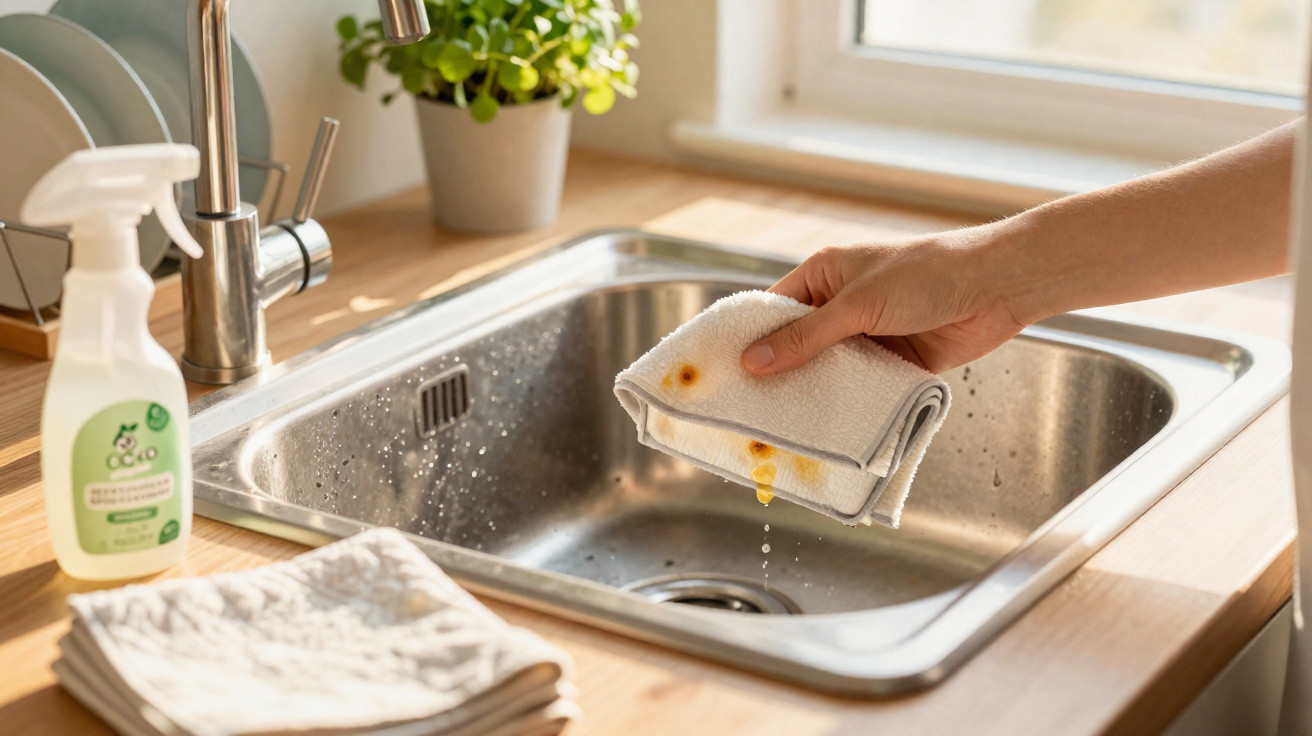
Vinegar is most useful when it is allowed to work by itself. To remove mineral deposits from a showerhead, fill a small bag with white vinegar, secure it around the showerhead, and leave it there for an hour. Soak cloudy glassware in warm vinegar before rinsing it. For a dirty kettle, boil a half-water, half-vinegar solution, then rinse it thoroughly. There is no fizz or foam - only gradual, patient action.
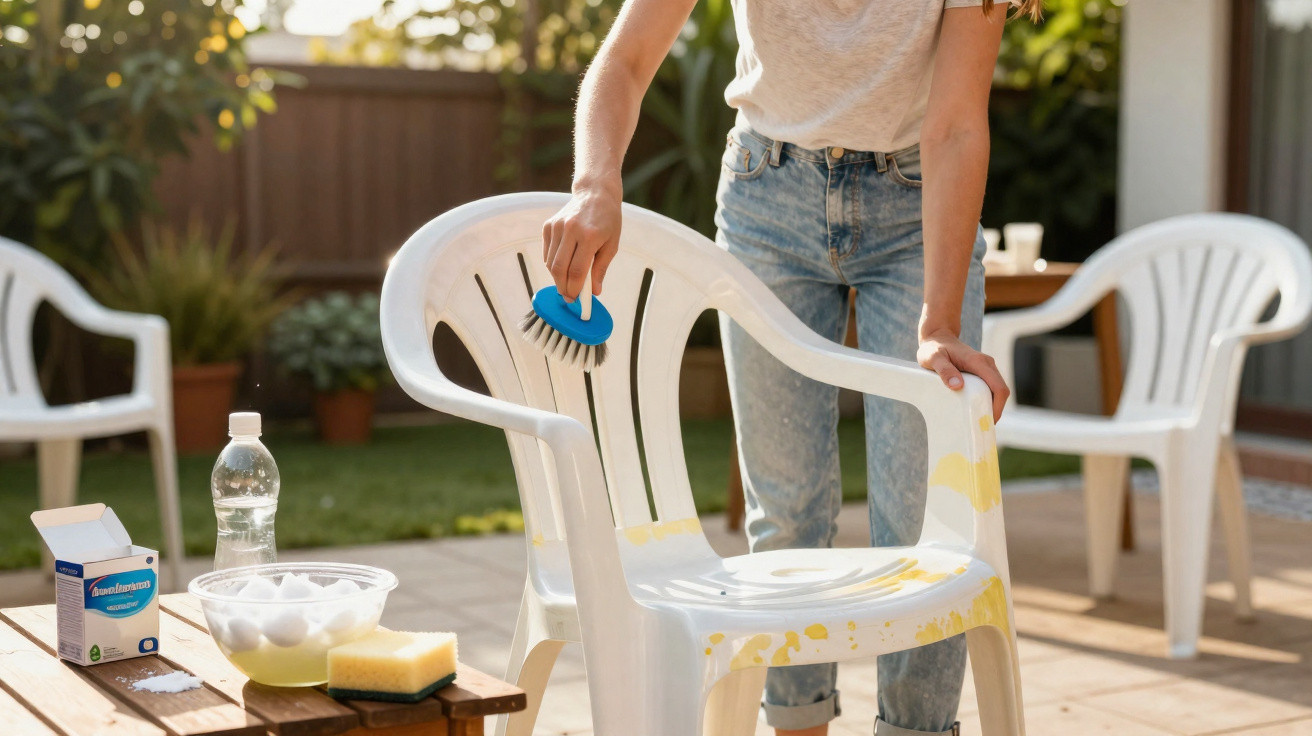
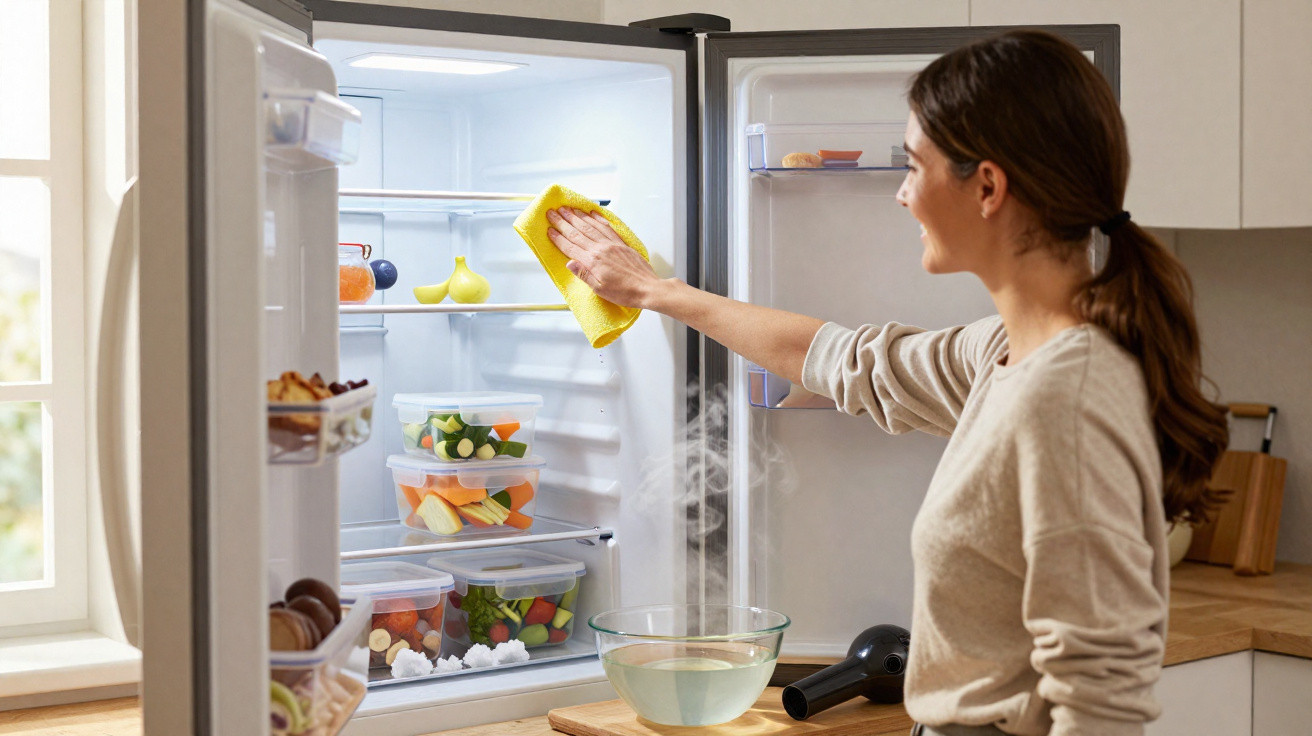
Baking soda is particularly useful for odours and mild scrubbing. Scatter it over a stained sink, add a little hot water, and work it in with a sponge. For a fridge that smells sour, open a box and place it on a shelf. If burnt residue is stuck to a pan, cover the base with baking soda and hot water, leave it to sit, then scrub. It may not resemble a viral video, but it does its job quietly.
When you want to use both products on one task, approach it as “one after the other”, rather than “together in the same puddle”.
There is a straightforward method that works with the chemistry rather than against it. If your sink drain has an unpleasant smell, begin by putting half a cup of baking soda directly into the drain. Leave it dry for 15–20 minutes, allowing it to cling to grime and odours. Slowly add hot water to flush it through. Later, as a separate treatment, carefully pour hot vinegar into the drain to tackle mineral build-up. That is two stages with two distinct actions - not one large, neutralising bubble party.
The same principle applies to an oven rack. Sprinkle on baking soda, mist it lightly with water, leave it overnight, and scrub it the next morning. On another day, wipe the rack using a cloth dampened with vinegar to dissolve any leftover residue and white powdery film. Both products play a part, but they are not battling each other at precisely the same moment.
Let’s be honest: nobody really does this every day. But when you do, you will get the result you wanted the foam to deliver.
There is a psychological trap here, too. Seeing a vigorous fizz makes us feel that the cleaner is “attacking” the dirt. A strong smell and dramatic reaction reassure the brain that something effective must be taking place. When no bubbles appear and a liquid simply sits on the surface, it can feel as though we are wasting time - even when the chemistry is actually working better.
That is why so many people repeat the same routine, even when the oven door never quite achieves that showroom shine. On an exhausting Sunday, it is tempting to trust the internet hack. You want that sense of control.
“The foam shows you a reaction, not a result,” laughs a professional cleaner I interviewed. “If you neutralize your products, you’re mostly cleaning with your elbow grease.”
To make it more concrete, remember this small cheat sheet:
- Use vinegar alone for limescale, soap scum and mineral rings.
- Use baking soda alone for odours, light grease and gentle scrubbing.
- Never rely on the fizz as evidence that anything is being cleaned.
- Think “sequence, not mix”: use one product first, then the other hours or days afterwards.
Once you understand what each product can achieve alone, it becomes difficult to return to the foamy illusion.
The chemistry secret behind “natural” cleaning
There is something surprisingly liberating about learning that your favourite “natural hack” was not especially effective. At first, it can sting - nobody enjoys realising they have essentially been making fancy salt water in the bath. Then comes the relief. You can stop pursuing the volcano and start using simple products in ways that work quietly while you get on with your day.
The next time you reach for that vinegar bottle or cardboard box of baking soda, you may see them differently. They are not soulmates destined to fizz together, but two very different tools stored in the same drawer. One deals with mineral build-up. The other absorbs odours and provides gentle friction. Each has strengths and limitations. Used at the same time, however, they mostly cancel each other out.
On a busy evening, that clarity is more valuable than any viral cleaning hack. It is also the sort of small, nerdy fact that people end up sharing over coffee... or while standing in front of a slightly less disgusting oven.
| Key point | Detail | Benefit for the reader |
|---|---|---|
| Chemical neutralisation | Vinegar (an acid) and baking soda (a base) react to create water, salt and gas. | Explains why dramatic fizz does not mean stronger cleaning. |
| Separate use | Use vinegar on its own for mineral deposits; use baking soda alone for odours and light scrubbing. | Provides clear, practical ways to clean more effectively at home. |
| Sequence, not mix | Apply the products at separate stages and times instead of as one foaming combination. | Helps prevent wasted time, money and effort on ineffective routines. |














Comments
No comments yet. Be the first to comment!
Leave a Comment