
Anyone comparing prices at the moment is deliberately looking for foods that balance nutritional value with a tight budget. High-protein dairy products are in demand, but branded options can quickly push up the total at the till. Lidl has a relatively low-key option that does without fitness slogans and stands out for precisely that reason.
Why a nutritionist recommends this Lidl product
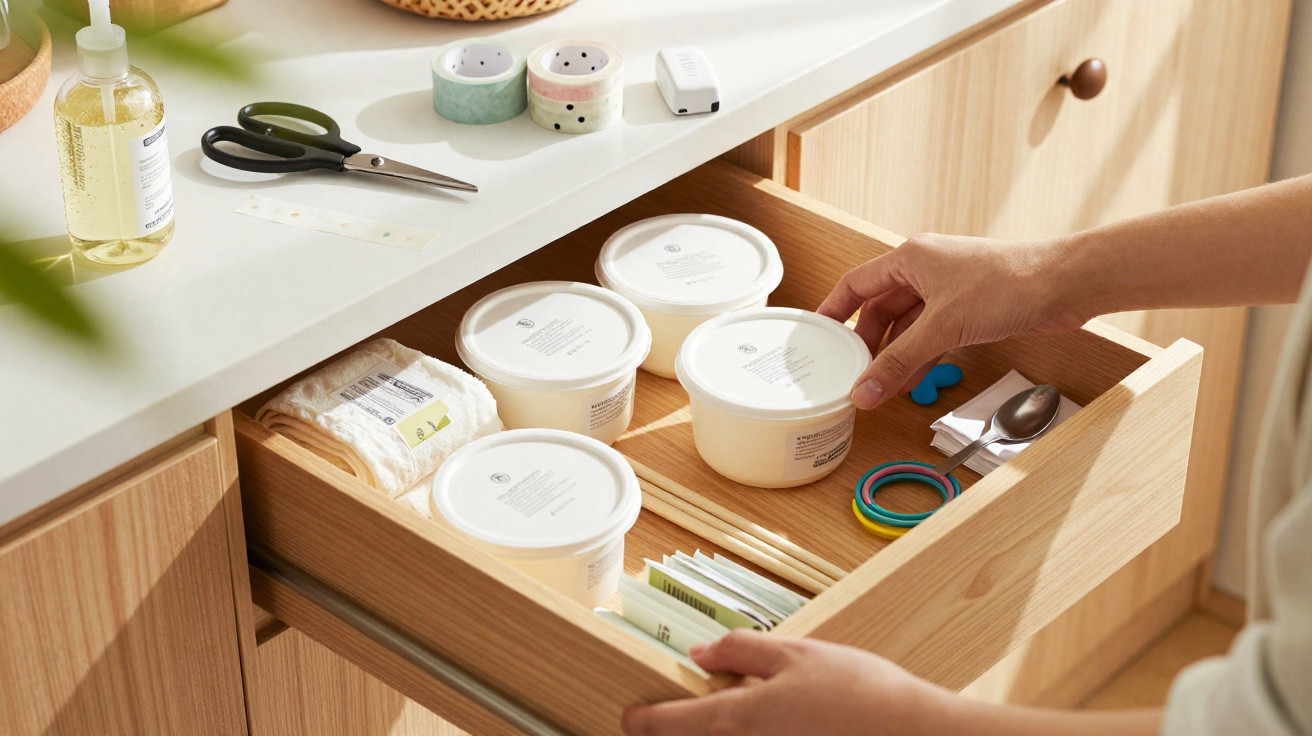
French nutritionist Arnaud Cocaul specifically recommends the small fresh cheeses from Lidl’s own-brand Envia range. He is referring to small pots of chilled Petit Suisse-style cheese. His reasoning is practical: a short ingredients list, respectable protein content and a very low price.
“Under €1.50 per pack, around 9 g of protein per 100 g, plain with no added sugar – that is the key message.”
The range includes low-fat 0% varieties for those watching calories, alongside creamier versions with around 20% fat for a fuller texture. Availability differs noticeably between stores. The plain pots contain milk and lactic cultures, sometimes with a standard preservative such as calcium sorbate.
How much protein is really in it
A quick calculation puts the figures into context. Envia pots provide roughly 9 g of protein per 100 g, while a standard Skyr contains about 11 g per 100 g. Two small pots, totalling approximately 120 g, therefore deliver around 10.8 g of protein. Many adults target 50–60 g of protein daily, depending on body weight and activity levels.
The calorie count is also moderate, at around 85 kcal per 100 g. This makes the product suitable as a snack, part of breakfast or a late supper when hunger strikes but the time of day does not call for a heavy meal.
“Avoid the sugar trap: plain varieties remain low in sugar, while flavoured versions contain more sugar and are better treated as an occasional mindful indulgence.”
Value-for-money check
In many stores, a pack costs around €1.40. The actual saving depends on pack size and regional promotions, but a comparison shows the general trend.
| Product | Protein (per 100 g) | Energy (per 100 g) | Example price | Note |
|---|---|---|---|---|
| Envia small fresh cheeses (plain) | ~9 g | ~85 kcal | ~€1.40 per pack | Short ingredients list |
| Skyr (branded, plain) | ~11 g | ~60–70 kcal | ~€0.89–1.29 per pot (150–200 g) | Higher protein content |
Those who consistently compare the cost per 10 g of protein will often find Envia offers better value. Short-term promotions can shift the comparison either way. Checking the label and weekly leaflet before reaching for a product is worthwhile.
How small fresh cheeses fit into everyday meals
Their strength is versatility. These pots work equally well in sweet, neutral and savoury dishes, with very little kitchen effort.
- Breakfast: Two pots with oats, a handful of berries and a little cinnamon provide protein, fibre and antioxidants.
- Snack: One pot with a pear or apple can replace biscuits, offering far less sugar and greater satiety.
- Savoury: Stirred with chives, lemon and salt, it becomes a quick spread for bread or a dip for raw vegetables.
- Meal prep: Mixed into pasta salad or potatoes, it can replace part of the mayonnaise or cream and noticeably reduce calories.
- For training: After a workout, 1–2 pots provide an easily digested portion of protein to support recovery.
Mini recipes in 60 seconds
- Creamy bowl: 2 pots, 1 tsp honey, 1 tbsp nut butter, 1 banana and a crunchy granola topping.
- Green dip: 2 pots, 1 handful of parsley, 1 tsp olive oil, a squeeze of lime, salt and pepper.
- Wrap filling: 1 pot, 1 tin of tuna (drained), diced cucumber and dill, spread over a wholemeal wrap.
What to check when shopping
- Choose the variety: 0% fat means fewer calories, while 20% fat has a rounder flavour and often keeps you full for longer.
- Check the sugar: Plain options remain low in sugar, whereas flavoured varieties considerably increase the sugar total per pot.
- Milk origin: Some batches state “milk from France” or another country of origin.
- Range: Selection varies significantly by store and region.
- Best-before date: Small pots are easier to finish and are less likely to be thrown away.
Who this product suits – and its limits
Children and teenagers can benefit from a quick protein boost, especially on school days involving sport. For working people, the pots are a convenient office option because they are portioned and easy to transport. Older adults can help maintain muscle mass in everyday life with protein-rich snacks.
People with lactose issues may react differently according to their individual tolerance. Fermented dairy products are often easier to tolerate than milk, but they are not lactose-free. If symptoms occur, trying a low-lactose option or an enzyme tablet may help. Anyone who cannot tolerate milk proteins at all is better off choosing plant-based alternatives and adding protein from pulses.
“Anyone looking to manage their weight should pair protein with fibre: fruit, wholegrains, vegetables and nuts noticeably improve satiety.”
A look at the label
The basic recipe is simple: milk and cultures form the foundation. Some products use calcium sorbate as a preservative, which is considered standard in small quantities. Plain varieties do not include flavourings or sugar, unlike vanilla or fruit versions. A clear ingredients list makes it easier to choose deliberately.
A product with tradition – and a simple strategy
Petit Suisse has a long tradition in France as a mild, spoonable fresh cheese. Lidl’s version follows this format and therefore appeals to a wide range of tastes. Its neutral flavour and firmer consistency make sweet and savoury recipes straightforward, without needing a recipe book.
A simple everyday approach can save both money and calories: replace some of the cream, mayonnaise or soured cream in creamy dishes with small fresh cheeses. The taste stays pleasantly mild, protein density rises, and the calorie balance per portion often falls by double-digit percentage points.
Here is a calculation for individual needs: someone weighing 70 kg and moderately active will often aim for 1.0–1.2 g of protein per kg, equating to 70–84 g a day. Two Envia pots already contribute about 10.8 g. Combined with 150 g of chicken breast (around 33 g protein), 200 g of Skyr (about 22 g) and 60 g of oats (around 8 g), this sits comfortably within the target range.
Easy pairings include oats, wholemeal bread, jacket potatoes, roasted vegetables, fresh herbs and spice blends. For variety, stir in paprika, harissa, curry powder or lemon zest to change the flavour and uses without spending more.








Comments
No comments yet. Be the first to comment!
Leave a Comment