
A simple rule of thumb can prevent exactly that.
The days are getting longer, your running shoes are waiting – and after just a few sessions, you feel a twinge on the side of your knee. It is a typical springtime scenario: your mind is set on a marathon, while your body is still in winter mode. Setting off without a plan now can lead to painful overuse injuries. A matter-of-fact yet highly effective rule can guide your return so that fitness improves, your knees stay settled and your motivation does not end up in an orthopaedic waiting room.
Why knees protest when you return to running
Your enthusiasm is fit, but your tissues are not yet
Over winter, many people spend more time sitting, move less and place little dynamic load on their joints. Muscles, tendons and ligaments adapt accordingly – becoming sluggish and slightly “rusty”. When the major running enthusiasm suddenly arrives in spring, two worlds collide: high speeds, long distances and structures that are not ready for them.
A common outcome is so-called runner’s knee, often referred to as “iliotibial band pain” or “IT band syndrome”. Typical symptoms include sharp pain on the outside of the knee, especially during longer runs or when running downhill. In most cases, the issue is not a “damaged” joint but overloaded soft tissues being asked to cope with too much, too soon.
“The problem is rarely age; it is almost always the rate of progression.”
Anyone who increases their training volume explosively tries to squeeze several weeks of adaptation into a few days. However, the body needs time to become accustomed to impact loading. This is precisely where the key rule comes in.
The 10% rule: small steps, major benefits for your knees
How this simple calculation prevents overuse
The most important guideline for a safe return is this: increase your total weekly volume by no more than around ten per cent compared with the previous week. This means the combined running time or distance across all sessions, not just one individual run.
For instance, if you jogged for 20 minutes in total during week one, the limit for week two is roughly 22 minutes. No more. It may sound unexciting, but it is extremely effective. Each week, the body adds a thin layer of tolerance for training load, rather than making one large jump straight towards inflammation.
“The 10% rule is not spectacular – and that is exactly why it protects so reliably against knee problems.”
Many people fail because short-term motivation carries them away. The 10% rule requires long-term thinking: hold back today so that you can genuinely keep going in a few weeks’ time.
Example plan: four weeks back into a running routine
What does that look like in practice? One possible plan for the first month after a break could be as follows:
- Week 1: A total of 20 minutes of very easy running, split between two or three short sessions.
- Week 2: Increase to around 22 minutes. Keep the pace easy enough to hold a conversation while running.
- Week 3: Around 24 to 25 minutes in total, still at a comfortable “chatting pace”.
- Week 4: About 27 minutes, divided up in whichever way fits your everyday routine.
These figures are examples rather than fixed rules. What matters is the proportion: small, planned increases instead of spontaneous doubling simply because the weather is good and your playlist is pumping.
Take warning signs seriously: when to ease off
Factor in everyday life, stress and tiredness
Many returning runners forget that the body does not respond only to the run itself, but also to work-related stress, lack of sleep and other demands. In a difficult week, even a ten per cent increase may be too much. That is when the rule can be applied flexibly.
In these circumstances, it makes sense to keep your volume unchanged for a week or even reduce it slightly. Alternatively, replace a running session with an activity involving less impact, such as:
| Training load | Alternative activity |
|---|---|
| Long running session | Cycling at a moderate pace |
| Short but hard run | Easy swimming or aqua jogging |
| Third running session of the week | Mobility work and light strength training |
People who allow for these adjustments usually run pain-free for longer than those who rigidly force their way through a plan.
Common signs you should not ignore
A little muscle soreness is normal. It becomes more concerning when:
- pain occurs in exactly the same spot in the knee every time, particularly on the outside;
- pain is already noticeable at the start of a session and gets worse;
- climbing stairs or walking downhill is noticeably painful;
- the knee swells after running or feels unstable.
In these cases, one week at the same or a reduced volume, with greater emphasis on stretching and mobility, is often enough to help. If symptoms persist, seek an assessment from a qualified professional – rather than simply reaching for pain-relief gel.
Three foundations for a stable return to running
Routines rather than heroic efforts
The romantic idea is to smash out one brutal session per week and “get everything out of it”. In reality, the body responds better to consistency than to extremely intense stimuli. Three short, relaxed runs are better than one punishing slog.
“Consistent, moderate training builds more resilience than occasional peak performances.”
Someone who runs for 10 to 15 minutes three times a week will often be further ahead after a few months than someone who repeatedly struggles through 45-minute runs and then has to stop for weeks.
Leave your ego behind and focus on technique
Many people start far too quickly because they measure themselves against previous times or compare themselves with others. For a few weeks, it is better to deliberately make pace and distance secondary priorities. Focus instead on:
- a relaxed, upright posture;
- short, relatively quick steps rather than long, heavy strides;
- calm breathing without straining;
- surfaces that are as soft as possible, such as woodland paths or an athletics track, instead of running only on tarmac.
This distributes the load more effectively and significantly reduces the impact on the knee.
What else helps alongside the 10% rule
Strength, mobility and small everyday measures
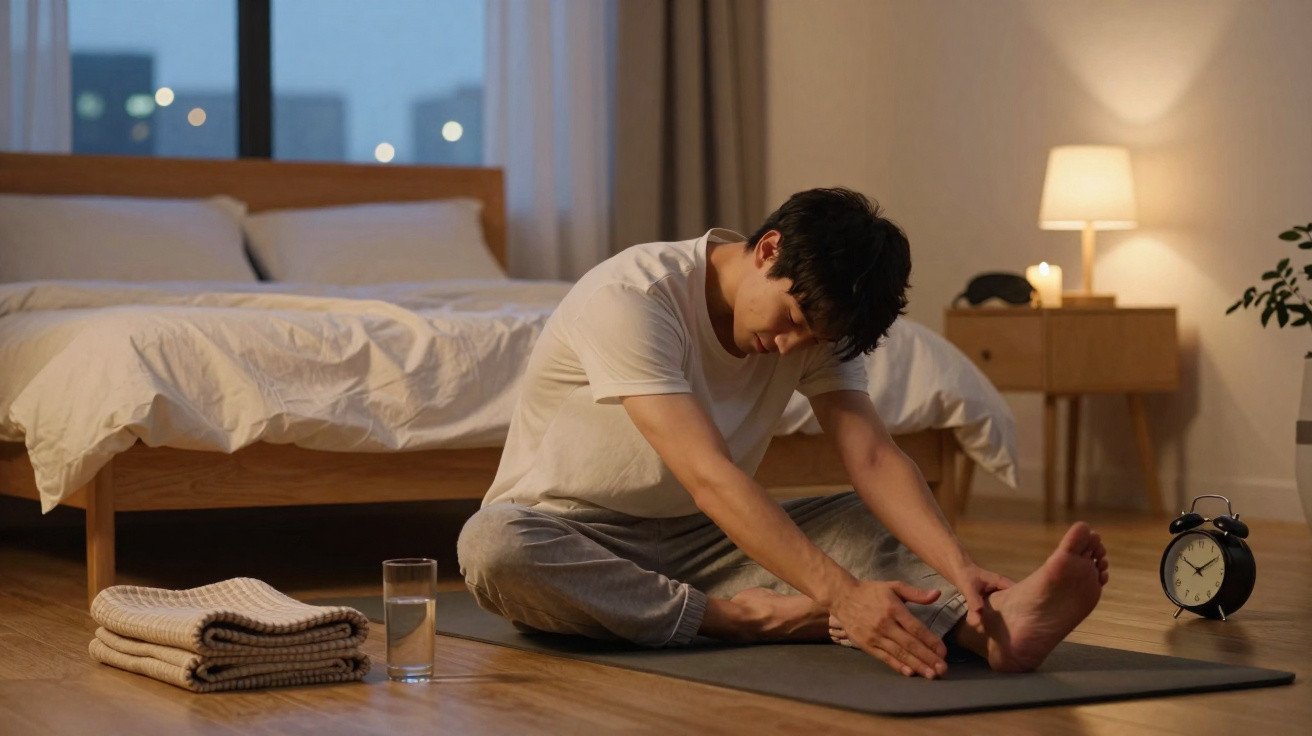
Strong muscles around the hips, thighs and core reduce the strain on the knee. Short strength sessions two or three times per week can work wonders. Suitable exercises include:
- bodyweight squats,
















Comments
No comments yet. Be the first to comment!
Leave a Comment