If you cycle regularly, you will know the dilemma: coffee and breakfast first, or straight into your cycling kit and out on the bike? A sports scientist explains when eating before a ride is essential, when a fasted session can be beneficial, and how the right strategy helps you avoid bonking, loss of performance and circulation problems.
What happens in your body when you start pedalling
Cycling is a classic endurance activity. Your body mainly draws the energy it needs from two sources: carbohydrates and fats. Which fuel source takes priority depends largely on your pace.
- Easy riding: Your body relies more heavily on fat as fuel.
- Brisk riding or climbing: Carbohydrates become increasingly important.
The glycogen stores in your muscles and liver are crucial here. They are effectively your “turbo tank” for harder efforts. When those stores run low, the familiar crash follows: what many cyclists call bonking – a sudden lack of power, dizziness and shaky legs.
“Those who replenish their carbohydrate stores intelligently before and during a ride can maintain a steady pace for longer and avoid a brutal drop in performance.”
That is why preparation matters so much: what you eat, and when you eat it, affects how long you can sustain your pace and whether the ride feels easy or punishing.
Eating before a cycling ride: when it is essential
For any ride that will be longer or more demanding, starting without taking on energy beforehand makes things unnecessarily difficult. A useful rule of thumb is this: once you are riding for around 60 to 90 minutes, or if you are planning an ambitious pace, your body needs fuel.
What a good pre-ride meal looks like
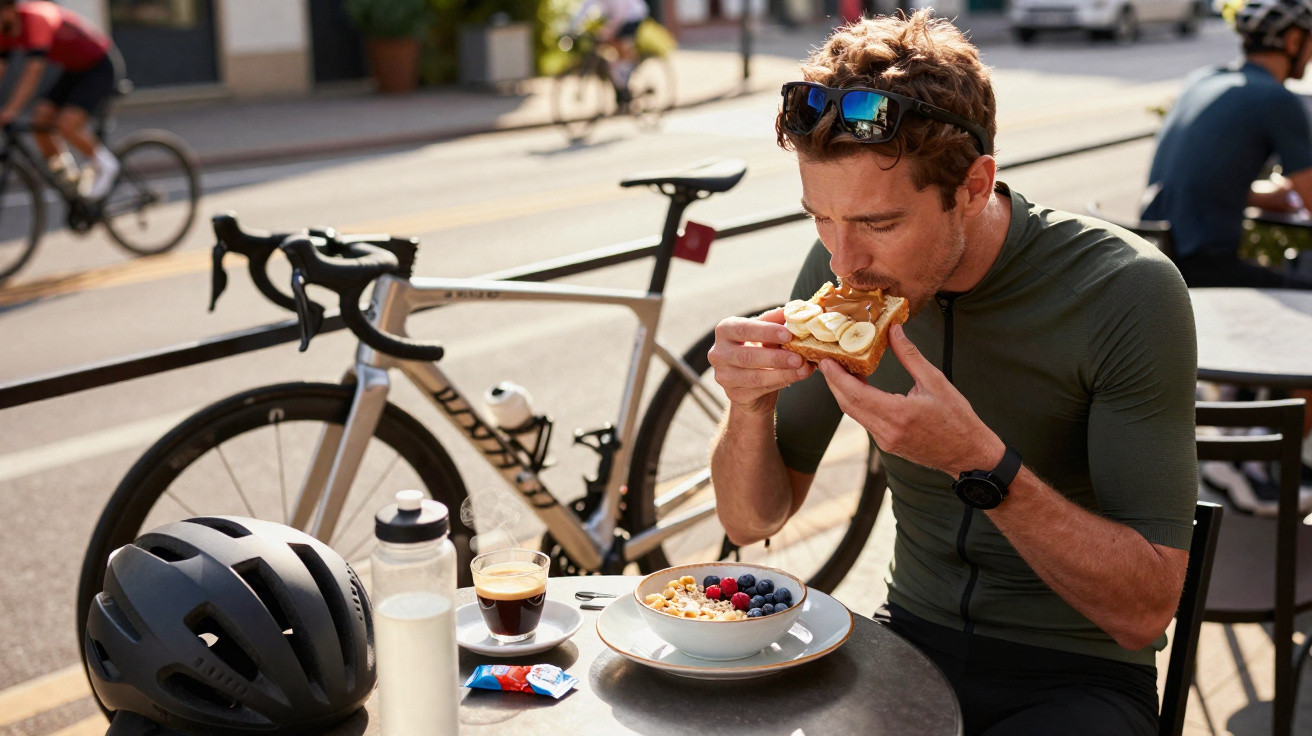
Ideally, eat a light meal that is easy to digest around 60 to 90 minutes before setting off. It should consist mainly of carbohydrates, with a small serving of protein alongside them.
- Porridge oats with yoghurt and fruit
- Wholemeal bread with honey or nut butter
- A banana with plain yoghurt
These combinations provide:
- readily available carbohydrates to get you started
- some protein to keep blood sugar more stable
- a moderate amount of fibre, which keeps you satisfied without sitting heavily in your stomach
Very fatty foods, large portions of sausage, cheese or rich scrambled eggs can weigh on the stomach and may cause bloating or a stitch during the first few kilometres.
When a fasted cycling ride makes sense
Not every session has to begin with breakfast. For short, gentle rides, it is perfectly possible to head out without eating first – especially in the morning if your previous meal was not too long ago.
“For a relaxed 30 to 45 minutes at a comfortable pace, breakfast can sometimes wait – the body then trains its fat-burning capacity more strongly.”
Intensity is the key consideration. These fasted sessions should deliberately remain easy: no intervals, no steep efforts and no prolonged all-out riding. Otherwise, you can quickly slip into an energy deficit that you may feel for the rest of the day.
This type of easy fasted riding is particularly suitable for recreational cyclists who:
- want to improve their awareness of their body
- want to stimulate fat burning deliberately
- want to make use of limited time in the morning
Anyone prone to low blood sugar, who has circulation problems or is completely untrained should take care and eat at least a small banana or a piece of bread before setting off.
A practical example: 260 kilometres in one day
An example from competitive sport illustrates just how much planning goes into a genuinely long ride: a charity ride from Berlin to the Brocken, covering around 260 kilometres in one day. Riding time: just over nine hours, at an average speed of almost 28 km/h.
The bare figures are:
- around 6,500 kilocalories of energy used
- more than 6 litres of fluid lost through sweat
You cannot complete that kind of effort spontaneously or by instinct alone. It only works with a clear fuelling plan, both before and during the ride.
Example: what to eat before and during a long cycling ride
Before the start, a breakfast based on easily digested carbohydrates is a good choice:
- porridge oats with banana and honey
- a serving of plain yoghurt
- coffee and around 500 millilitres of water
Once on the bike, continue with small snacks every 30 to 40 minutes:
- pieces of banana
- compact cereal bars
- an occasional piece of bread
- electrolyte drinks to replace lost salt and fluid
“Rather than taking infrequent long breaks, lots of small portions of energy are the key to keeping blood sugar stable and preventing the muscles from fading.”
The simple rule of thumb for recreational cyclists
| Duration / intensity | Recommendation before riding | Fuel during the ride |
|---|---|---|
| Up to 45 minutes, easy | Breakfast optional, depending on how you feel | Usually unnecessary |
| 45–90 minutes, moderate | Light meal 60–90 minutes beforehand | Small snacks after around 45 minutes if needed |
| More than 90 minutes or a sporting pace | Purposeful carbohydrate-based breakfast | Carbohydrates and electrolytes regularly |
How many carbohydrates per hour are useful
Sports science has changed noticeably on this point. In the past, advice often suggested that 30 to 60 grams of carbohydrates per hour were enough. Studies now indicate that well-trained endurance athletes can process considerably more.
Current recommendations for long, intense rides are:
- 80 to 120 grams of carbohydrates per hour,
- from a blend of different sources such as glucose and fructose.
The reason is that these sugars use different transport pathways in the gut, allowing them to enter the bloodstream in parallel. This is easier on the stomach and gives the muscles a steadier supply of energy.
Even so, nobody should jump straight to the maximum amount on their first longer ride. Your gut needs to adapt to it, just as your legs need to adapt to training.
Mental strength: the frequently underestimated factor
As an effort continues, your mind becomes more and more important. After several hours, tiredness increases, minor aches make themselves known and the urge to give up grows louder. Without a plan, it is easy to stop or lose all sense of rhythm.
“Mental strength does not mean blocking everything out; it means choosing a realistic pace, listening to your own body and focusing on the next section rather than the total distance.”
Knowing that regular energy and fluids are on the way makes these low points easier to handle. Your body does not feel “at the mercy” of a bonk, and the situation remains more manageable.
Practical tips for everyday cycling
- For rides lasting more than 60 minutes, always take a moment to plan the duration, intensity and food.
- Never try new bars, drinks or gels during a race; test them in training first.
- Start drinking small sips within the first half-hour, before you feel thirsty.
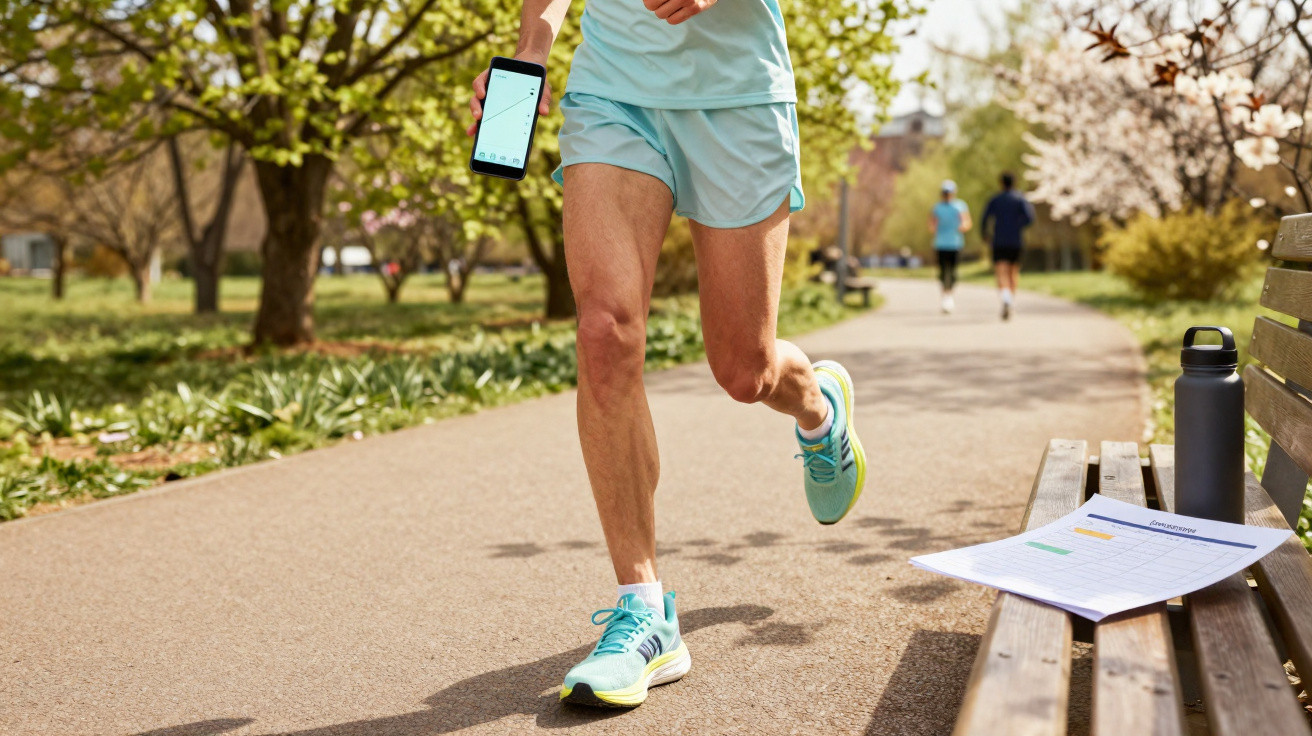
- Do not rely on apps alone – pay attention to your legs, breathing and concentration.
For many recreational cyclists, keeping a small food diary is worthwhile: what did I eat, how long and how intensely did I ride, and how did I feel? This will quickly help you find the strategy that feels right for you.
Why cycling is so effective with the right preparation
Cycling is gentle on the joints, strengthens the heart and circulation, and can give the metabolism a considerable boost. People who ride regularly often sleep better, become more resilient to stress and find it easier to keep their body weight stable.
Appropriate preparation amplifies this effect: intelligently planned meals and a stable energy supply can make long distances achievable when they previously seemed completely unrealistic. This is particularly valuable for people who see themselves as “unathletic”, as they discover that their body can do far more than they expected.
One thing remains important: not every session has to set records. On some days, a short fasted spin is enough to wake you up; on others, a well-fuelled three-hour ride is appropriate. What matters is understanding which approach suits which situation, and getting to know your own body better step by step.














Comments
No comments yet. Be the first to comment!
Leave a Comment