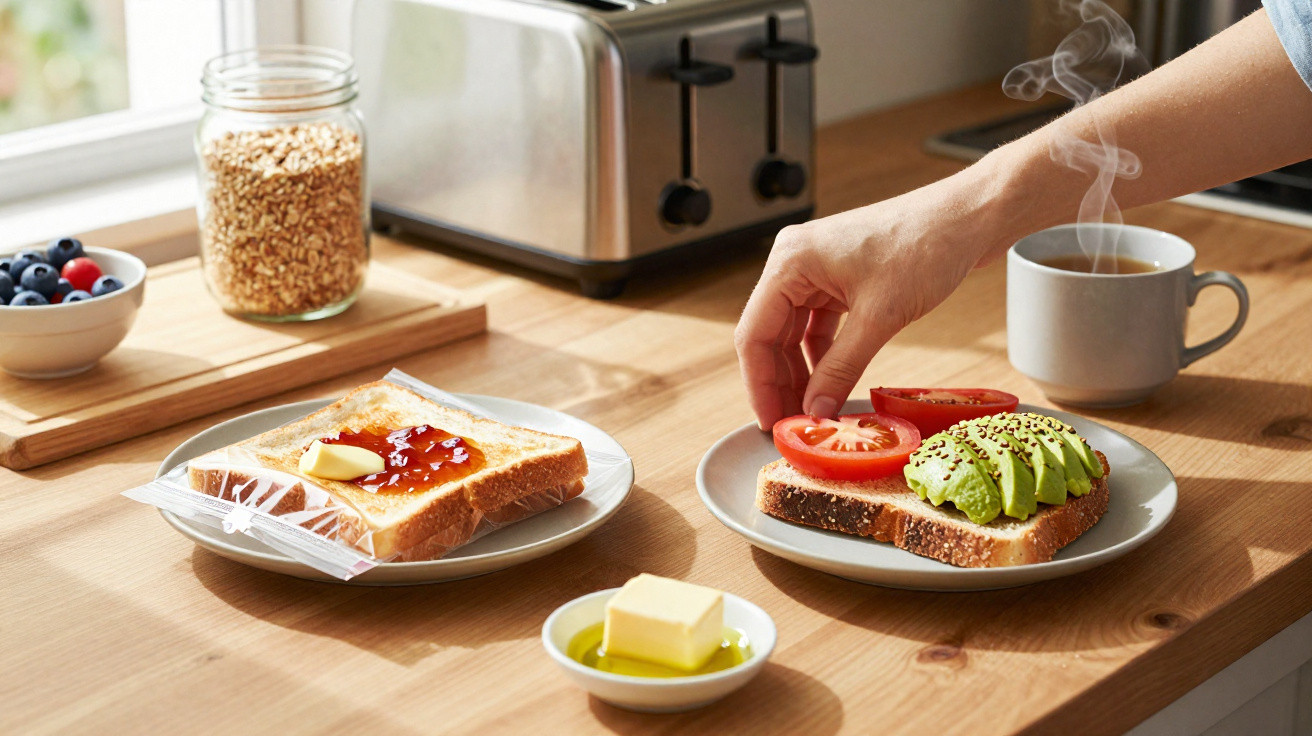
Toast may be a convenient staple, but it has a surprisingly unhealthy downside.
Toast bread seems innocuous enough: put a few slices in the toaster, add butter, jam or cheese, and breakfast is ready. That convenience makes it especially popular with families and working people. Look more closely, however, and the golden crust often conceals a nutritional trap that can make the start of the day far less healthy than many people realise.
Why toast bread performs poorly in nutritional comparisons
Toast is generally made from very finely milled white flour. The outer layers of the grain, which contain most of its vitamins, minerals and fibre, have been removed. What remains is largely starch: rapidly available carbohydrate. To improve flavour, colour and shelf life, many manufacturers also add sugar, vegetable fats and additives.
Toast provides few nutrients for its calorie content, yet delivers plenty of quickly usable energy – making it a classic example of “empty calories”.
The issue starts with an ordinary serving. Two or three slices of buttered toast with a spread may not look like much, but can quickly contain as many calories as a generously topped slice of wholemeal bread. Toast is far less filling, though, so mid-morning cravings are almost inevitable.
Sugar, fat and additives to watch for
Many varieties of toast contain hidden sugar, sometimes amounting to several grams per 100 grams. The dough may also include fats from margarine or inexpensive vegetable oils. While each ingredient may appear modest in isolation, the amounts add up when toast is eaten every day.
- Sugar: causes blood sugar levels to rise and fall quickly
- Refined flour: satisfies hunger only briefly and can stimulate appetite sooner
- Fats and emulsifiers: create a soft texture but also add extra calories
- Preservatives: extend shelf life but offer no health benefit
Anyone eating toast several times a day can therefore consume a considerable number of unnoticed calories without giving their body much nutritional value.
Buttered toast, wholemeal toast and wholemeal bread: what is the difference?
The term “wholemeal toast” may initially sound like a healthy choice on the packet. Yet the comparison reveals clear differences, particularly when it is set against traditional wholemeal bread.
A direct comparison per 100 grams
| Product | Fibre | Calories | Typical characteristics |
|---|---|---|---|
| Buttered toast | low | relatively high | airy, slightly sweet, high proportion of white flour and fat |
| Wholemeal toast | slightly more | similar to buttered toast | marginally higher wholegrain content, but still highly processed |
| Wholemeal bread | considerably more | comparable or slightly lower | high proportion of whole grains, with more vitamins and minerals |
Although precise figures vary between brands, the overall picture is clear: wholemeal bread supplies substantially more fibre and micronutrients. Its calorie content is usually not very different. In other words, wholemeal bread gives the body considerably more nutritional value for a similar amount of energy.
Why wholemeal bread keeps you fuller than toast
Fibre plays a key part in how full you feel. It absorbs water in the gut, slows the rise in blood sugar and helps you stay satisfied for longer.
To match the fibre in two slices of wholemeal bread, you would often need three or four slices of toast – along with proportionately more topping.
This is where the real calorie trap begins. Since toast is so light and fluffy, many people automatically eat more slices. Each additional slice will usually come with another knob of butter, a piece of cheese or an extra serving of cold meat. As a result, the energy content of breakfast can multiply without keeping you fuller for any longer.
What else fibre can do
The fibre-rich components of wholemeal bread do more than promote fullness. Studies show that a high-fibre diet can:
- reduce the risk of type 2 diabetes
- have a positive effect on cholesterol levels
- stimulate digestion and help prevent constipation
- contribute to a more stable body weight
Toast bread clearly falls behind in this respect. Choosing wholemeal bread in the morning not only gives you a better start to the day, but can also support the heart, metabolism and gut over the long term.
Toasting, browning compounds and hidden risks
Many people enjoy toast specifically for the crisp crust created by the toaster. However, toasting produces chemical compounds that may become problematic for health under certain conditions. Acrylamide is of particular concern; it can form when starchy foods are heated intensely and become too dark.
The darker the toast, the more unwanted browning compounds may form – “golden yellow rather than deep brown” is the rule of thumb.
Lightly toasted bread is fine. But anyone who regularly burns their slices until they are nearly black is exposing themselves to an unnecessary long-term risk. Charred areas should always be removed; better still, dispose of the overly dark slice altogether.
Mould: an invisible risk in a packet of toast
Toast goes off faster than many people assume, especially if the packet is not tightly resealed after opening or is left at room temperature for too long. A visible green or white patch is only the tip of the iceberg. Fungi produce threads that can spread invisibly throughout the entire loaf.
The possible mould toxins involved, known as mycotoxins, can be harmful to health. They may cause gastrointestinal problems and are suspected of contributing to the development of certain illnesses in the long term. If mould appears, the entire packet should therefore be thrown away, not just the affected slice.
How to eat toast more consciously and healthily
Nobody needs to completely transform their breakfast routine overnight. If you enjoy toast, a few simple changes can make a significant difference:
- Reduce how often you eat it: have toast as an occasional choice rather than every day.
- Choose a better product: opt for versions with a high wholegrain content and check the ingredients list.
- Set the toaster carefully: toast slices only lightly and consistently avoid burnt areas.
- Rethink the topping: instead of a thick layer of Nutella, choose quark, hummus, avocado or cheese in moderation.
- Combine options: pair one slice of toast with one slice of wholemeal bread to make the change gradually.
If you have time in the morning, you can briefly toast bread in the oven or a contact grill. Wholemeal bread also develops a crisp surface this way while retaining its fibre and nutrient density.
What “wholemeal” on the packet really means
Many shoppers rely on terms such as “multigrain”, “fit” or “balance”. However, these descriptions reveal little about the actual wholegrain content. For a genuine wholemeal bread, the entire grain, including the bran and germ, must be used.
Checking the ingredients list is helpful. If “wholemeal wheat flour”, “wholemeal rye flour” or “wholegrain meal” appears first, that is a positive sign. If the list mainly names “wheat flour Type 405” or simply “wheat flour”, it is likely to be a product with relatively few nutrients, even if it looks dark because malt or caramel colouring has been added.
Healthy breakfasts: practical ideas without missing out
Anyone looking to cut down on toast needs suitable alternatives that work in daily life. Here are a few ideas:
- wholemeal bread with cream cheese, sliced tomato and chives
- rye bread with egg and a little cress
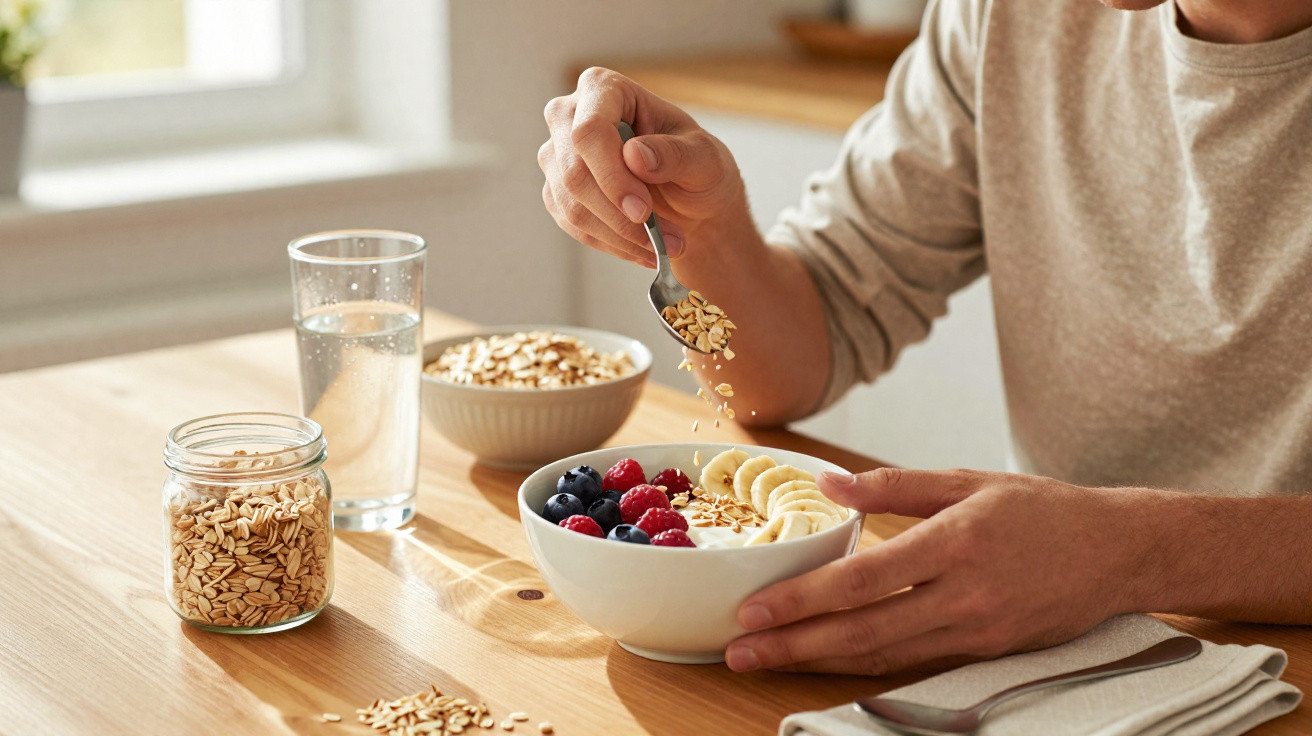
- porridge oats with yoghurt, fruit and nuts in a quick bowl
- vegetable or lentil spreads on wholemeal toast as a compromise option
Children in particular often adapt to new choices more quickly than parents expect. When bread is attractively topped and perhaps served with a few vegetable sticks, toast soon loses its exclusive position at the breakfast table.
Making the switch is worthwhile in the long run. A wholegrain-based breakfast provides the body with more essential nutrients, stabilises blood sugar and can help curb cravings. Toast can still have a place now and then – as a consciously enjoyed exception rather than an everyday standard.












Comments
No comments yet. Be the first to comment!
Leave a Comment