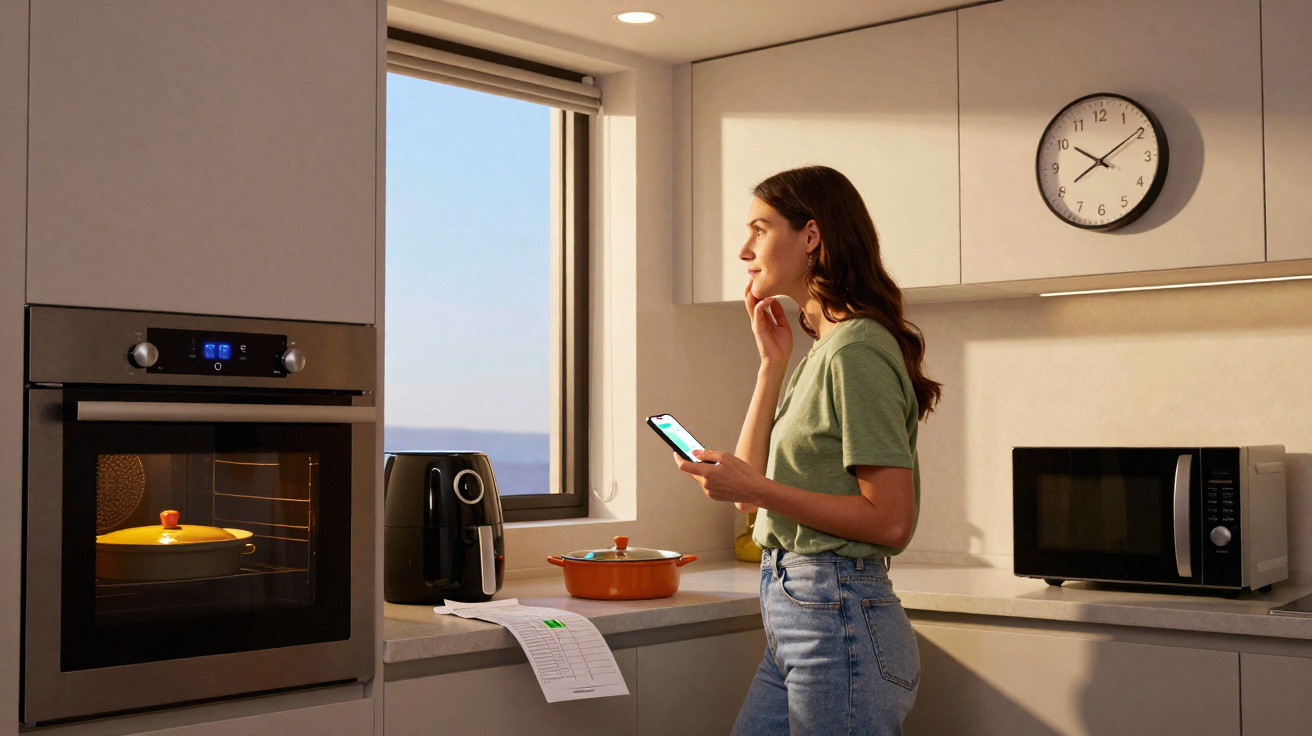
Following a major reform of electricity network tariffs, new rules for cheaper and more expensive times now apply across large parts of Europe. What may sound like a highly technical change has a direct impact on everyday life: anyone using an electric oven between 6 pm and 10 pm in April will pay noticeably more than before. The traditional after-work snack can therefore quickly become a minor electricity luxury.
What lies behind the new evening rules
The changes stem from a reorganisation of the so-called off-peak periods in electricity tariffs. Network operators and regulators have moved the hours during which electricity costs less. The aim is to reduce the heavy strain on the grid in the evening, when many appliances are already running at once: heating, hobs, ovens, lighting, televisions and, in some cases, electric car charging.
"The highest electricity demand is concentrated between 6 pm and 10 pm – and this is now when the most expensive tariffs apply almost everywhere."
Many tariffs previously included cheaper periods in the early evening or morning. That arrangement is gradually being phased out. It is being replaced by a clearer timetable, with low-cost electricity mainly available late at night and during another cheaper window in the early afternoon, when there is plenty of solar power on the grid.
How the new electricity tariff times are structured
Under the new system, eight hours a day are available at a reduced price. They are split into fixed periods:
- At least five hours overnight – usually between 11 pm and 7 am.
- Up to three hours during the day – generally between 11 am and 5 pm, covering midday and the early afternoon.
The previous arrangement, which offered reduced electricity prices in the morning between 7 am and 11 am or in the early evening between 5 pm and 11 pm, is being gradually withdrawn and is due to be fully replaced by the end of 2027.
For customers who have already moved to the new structure, the change is particularly noticeable during the warmer months: from 1 April to 31 October, there are no cheaper hours in the evening. All electricity used between 6 pm and 10 pm falls firmly within the expensive period.
Why the electric oven becomes a problem at this time
For many households, the period from 6 pm to 10 pm is the busiest part of the day. People arrive home, switch on the heating or air conditioning, prepare food, tidy the kitchen, perhaps put on a load of washing, and sit down in front of the television. In homes with an electric car, the charger may also be connected to the grid.
The electric oven is caught right in the middle of this electricity rush. It is one of the appliances with particularly high power demand. Depending on the model, a modern electric oven uses between 2,000 and 3,500 watts. If it runs for 45 minutes or an hour, the electricity consumed can quickly add up to a substantial number of kilowatt-hours.
"In many tariffs, the difference between peak and off-peak pricing is around 20 per cent – making an evening oven routine noticeably more expensive."
Typical regulated tariffs may charge around €0.21 per kilowatt-hour during the high-price period and just under €0.17 during off-peak hours. The gap may sound small, but it becomes clearly noticeable when high-power appliances are involved.
When a day-night tariff is actually worthwhile
Many households pay a slightly higher standing charge for a tariff combining peak and off-peak periods, in return for lower prices at particular times. This type of tariff only pays off if a noticeable share of electricity use is shifted into the cheaper periods.
Energy specialists often cite a threshold of around 30 per cent: at least one third of electricity consumption should fall within off-peak periods. Otherwise, the higher standing charge cancels out the benefit.
Typical electricity-hungry appliances that can be shifted more easily include:
- an electric instantaneous water heater or hot-water cylinder;
- a washing machine and tumble dryer;
- a dishwasher;
- electric car charging;
- and the electric oven, where its use can be planned.
Anyone who continues to do most of their cooking and baking during the expensive evening hours will significantly reduce the tariff's savings potential. High appliance power consumption combined with peak-period prices then has a full impact on the bill.
April brings the electricity tariff's “summer logic”
In many networks, 1 April is more than simply a date on the calendar: it marks the beginning of the so-called summer period. Running until the end of October, it shifts off-peak times more strongly towards the middle of the day. This is because solar energy generation feeding into the grid is high during this period.
"People who cook at lunchtime often pay less during the summer half of the year – while an evening bake falls entirely into the expensive zone."
During this phase, the three additional reduced-tariff hours are generally scheduled between 11 am and 5 pm. That gives lunchtime meals a price advantage, while the traditional after-work roast becomes a small luxury.
How families are adapting their oven routines
Many households are starting to adjust their cooking schedules slightly without turning their entire lives upside down. Several common approaches keep appearing:
- Cooking ahead in the afternoon: meals such as lasagne, bakes or slow-roasted dishes are fully cooked during cheaper hours and only briefly reheated in the evening.
- Batch cooking at weekends: on Saturday or Sunday, the oven and hob are used for longer periods, ideally during cheaper hours. Finished portions are then stored in the fridge or freezer.
- Switching to smaller appliances: when preparing only a small amount of food, people increasingly use an air fryer, microwave with grill function or compact mini oven, all of which use less power.
- Planning baking days: bread, cakes and oven meals are grouped together so that the oven is used as efficiently as possible rather than being heated up briefly several times.
In homes with modern electricity meters, the effect is easy to monitor. The display or online customer account shows the precise peak and off-peak time windows. Anyone who consistently schedules their washing machine, hot water, electric car and electric oven within the cheaper blocks can noticeably cut their overall costs.
How much one oven meal can add to the bill
A simple calculation illustrates the difference. Assume that an oven meal, including preheating, uses around 1.5 kilowatt-hours.
| Time of use | Price per kWh | Total cost per use |
|---|---|---|
| 6 pm–10 pm (peak period) | €0.214 | around €0.32 |
| Midday or overnight (off-peak period) | €0.170 | around €0.26 |
A difference of a few cents per meal may appear insignificant. However, if the oven is used almost every day during the expensive window, a noticeable additional cost builds up over a year. The impact increases further when other major electricity users are running at the same time.
What consumers can do now
Many people feel caught off guard by advice such as “do not use the oven in the evening in April”. In reality, this is less about a ban than a clear price signal. Those with some flexibility can make simple changes to their habits:
- Check the structure of their own tariff in the customer portal or on the meter.
- Move oven use to lunchtime or the early afternoon where possible.
- Plan meals that reheat well, such as stews, bakes or roasted vegetables.
- Choose shorter baking times and avoid preheating the oven unnecessarily.
- When buying new appliances, look for energy-efficient ovens and additional features such as a timer programme.
Why it is worth checking the electricity meter
Modern meters provide useful information about individual consumption habits. Many models show not only current use but also which tariff zone applies at that moment. Anyone who keeps an eye on this display in daily life quickly develops a feel for the expensive and cheaper periods.
This is particularly helpful when several large appliances operate at the same time: if washing, baking and electric car charging are all done around midday, substantial loads fall within the cheaper period. In the evening, only lighting, television and smaller appliances need to be used.
Electric oven, microwave or air fryer: which makes sense when?
Beyond tariff times, the type of appliance also matters. A conventional oven requires considerable power but works well for larger quantities. A microwave reheats small portions using little electricity. Air fryers and mini ovens often need less energy and reach temperature more quickly, although they are better suited to smaller meals.
A smart kitchen routine combines both approaches: larger portions are cooked during off-peak hours in the conventional oven, while the microwave or a smaller appliance handles quick reheating in the evening. This retains convenience while making the direct electricity costs easier to manage.
For many households, April therefore becomes a kind of dress rehearsal: those who learn now to adapt cooking and baking times to the new price structure will be better able to handle future electricity pricing periods without having to give up evening oven use altogether.
















Comments
No comments yet. Be the first to comment!
Leave a Comment