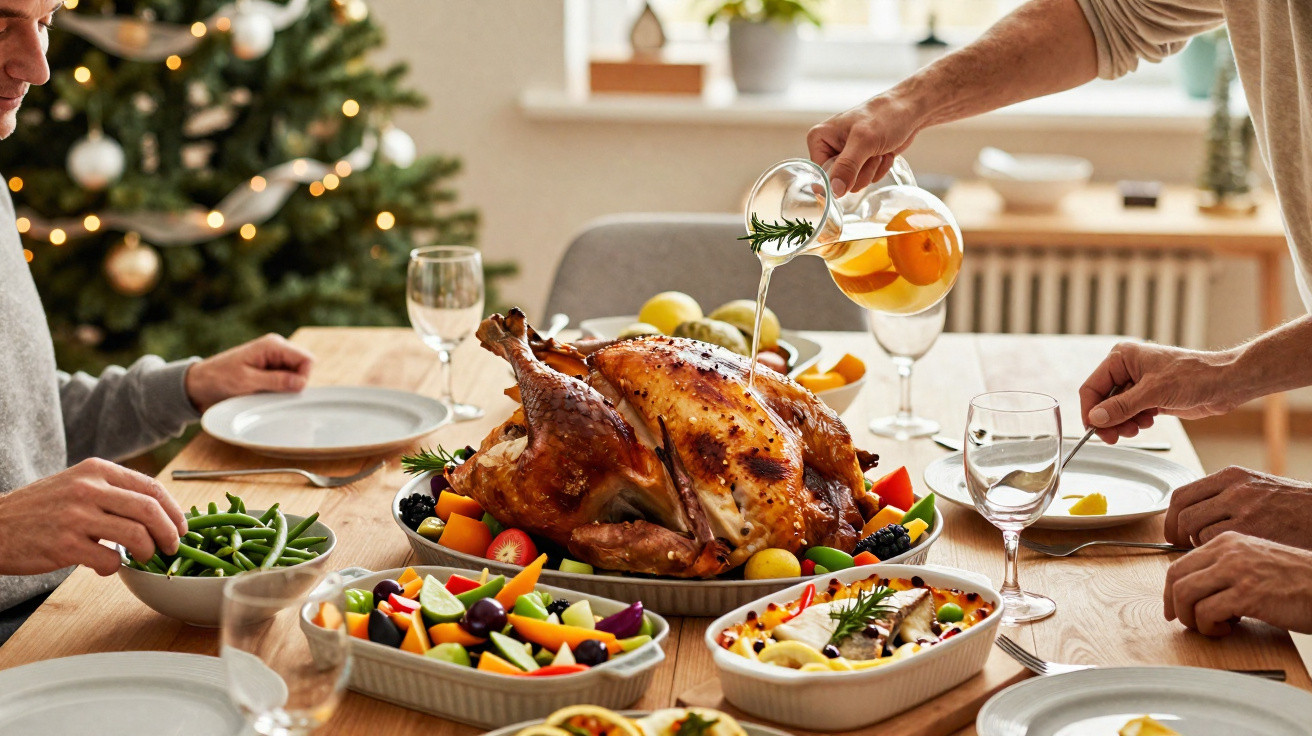
Across Europe, nutrition specialists are taking a fresh look at traditional Christmas dinners. Some festive menus are much lighter and more balanced than their reputations imply, whereas others contain more calories than a typical takeaway. Three countries especially stand out for meals that remain celebratory while giving health some consideration.
French Christmas dinner: elegant and delicious, but rather excessive
France’s festive spread is celebrated for its refinement, featuring roast poultry, creamy gratins, foie gras and, naturally, the classic bûche de Noël. However, a recent study by the telemedicine platform Zava, comparing Christmas meals in 35 European countries, suggests the French menu performs reasonably well for nutritional balance.
The typical French Christmas dinner delivers generous protein and useful vitamins, yet still climbs above 1,000 calories for a single sitting.
Turkey is often the main feature of the meal. As a lean protein similar to skinless chicken, it helps maintain muscle without adding large amounts of saturated fat. Taken alone, it is a sensible centrepiece for a substantial family gathering.
It is the accompaniments that create the issue. Gratin dauphinois, prepared with potatoes, cream and ample butter, supplies calcium and vitamin C from its potatoes but also brings a considerable amount of fat. The traditional log-shaped dessert served afterwards provides vitamin A from butter and eggs, while also increasing sugar and saturated-fat intake.
How to make a French-style festive menu lighter
Rather than completely redesigning the menu, nutrition specialists commonly recommend straightforward substitutions. Swapping a rich cream-based side for roasted or steamed vegetables can have a clear effect.
- Exchange gratin dauphinois for trays of roasted carrots, parsnips and Brussels sprouts.
- Choose olive oil in place of butter for roasting whenever practical.
- Serve foie gras and bûche de Noël in small portions, as tasting-sized treats.
Such adjustments retain the French feeling of occasion while reducing total calories and saturated fat. The table remains festive, but guests are less likely to feel sluggish afterwards.
The three healthiest Christmas dinners in Europe
When Zava ranked 35 national Christmas dinners by nutritional balance and overall energy content, Croatia, the Netherlands and the United Kingdom emerged quietly at the top. They are not countries usually held up as examples of “healthy holiday eating”, but their traditional meals present a different picture.
| Country | Key festive dishes | Approx. calories per meal | Why it stands out |
|---|---|---|---|
| Croatia | Turkey, strukli, fritule | ~623 kcal | Lean protein, moderate dessert, reasonable portion sizes |
| Netherlands | Turkey, pommes duchesse, ijsstam | ~650 kcal | Balanced plate, portion control, relatively light dessert |
| United Kingdom | Turkey, roasted vegetables, Christmas pudding | ~781 kcal | High fibre, strong vitamin C intake, classic dessert in check |
Croatia: comforting food in a lean festive feast
Croatia leads the ranking with a Christmas meal that appears filling and home-style, yet is unexpectedly moderate in calories.
A Croatian-style festive plate combines lean turkey, a cheese-filled pastry and small, lightly sweet fritters, for a meal that feels indulgent without going overboard.
The meal generally starts with roasted or baked turkey. It is low in fat while offering sufficient protein to satisfy diners, and this lean-meat base can reduce the temptation for further snacking later in the evening.
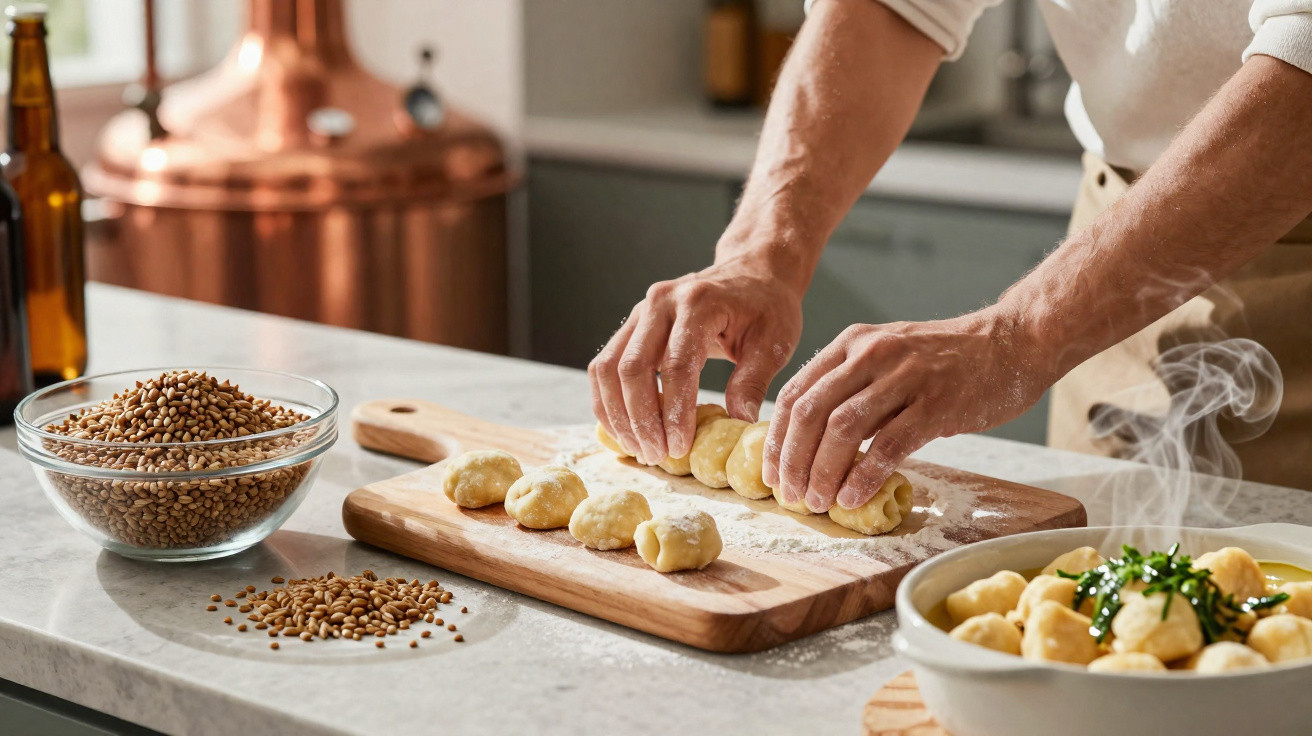
Strukli follows: a traditional rolled pastry, commonly filled with fresh cheese. It provides calcium and additional protein, which may help keep blood sugar steadier during a long meal. As the dish is rich and portions are typically sensible, diners seldom return for very large helpings.
Croatians often serve fritule for dessert, which are small fritters similar to doughnuts. Although sweet, they are generally smaller and less heavily topped with cream or chocolate than desserts on many Western European tables. This smaller serving size is important when seeking to prevent festive overeating.
Adapting a menu with Croatian inspiration
Those preparing a healthier Christmas dinner can take several ideas from this model:
- Make lean roasted turkey or chicken the central dish.
- Include one comforting grain- or pastry-based accompaniment in restrained portions.
- Provide bite-sized desserts that reduce sugar intake without excluding treats.
This format delivers enjoyment and variety while naturally limiting scope for too much sugar and fat.
Netherlands: balance on the plate, rather than on the scale
The Dutch Christmas dinner assessed by Zava likewise centres on turkey, helping to keep protein high and fat in check. Pommes duchesse, piped swirls of potato baked to a golden crispness, are often the standout side dish.
Pommes duchesse bring comfort and vitamin C from potatoes, while still staying lighter than cream-heavy gratins if prepared with moderation.
When they are neither deep-fried nor saturated with cream, potatoes offer energy, fibre and vitamin C. They make the meal feel like a “proper” feast without the need for heavy sauces. For this dish, the Dutch approach usually favours baking over frying, which keeps added fat at a reasonable level.
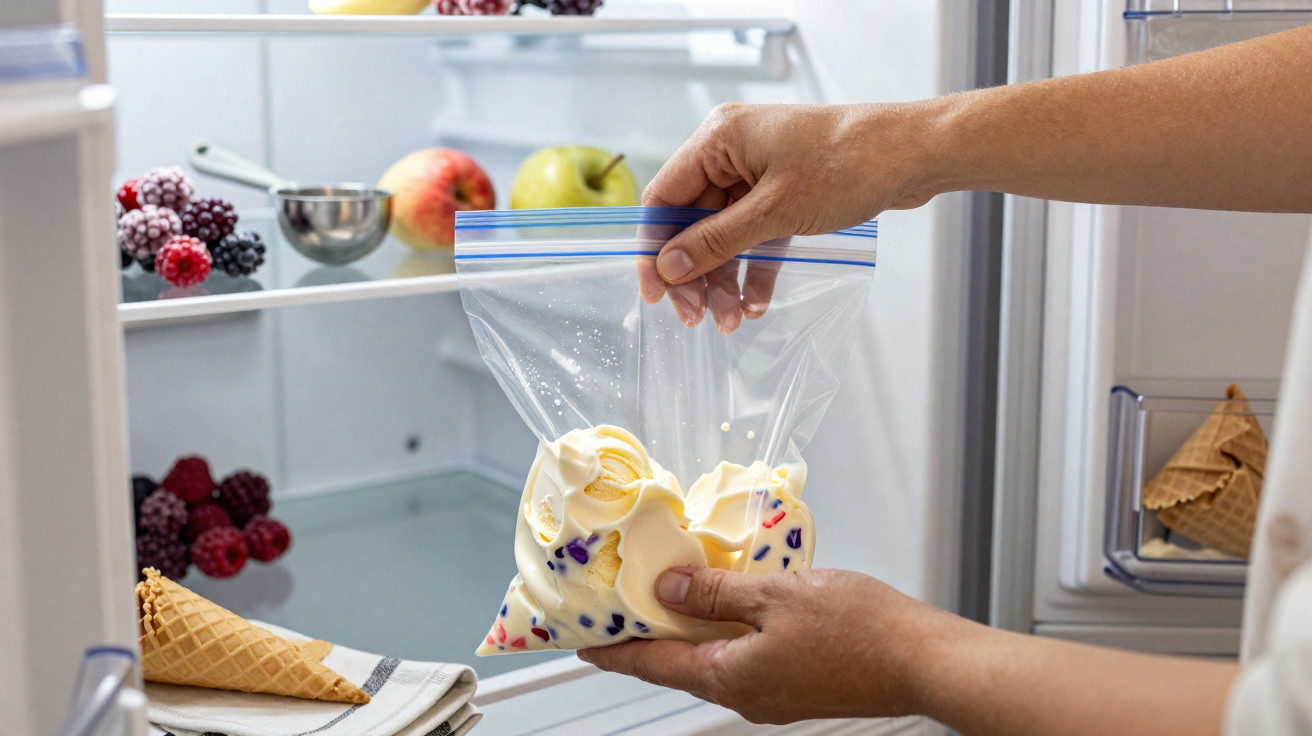
The dessert is ijsstam, a chocolate ice-cream log. Naturally, it contains both fat and sugar, but its frozen form often leads to smaller slices. Without layers of pastry or thick cream fillings, its calorie total remains lower than that of many elaborate cakes.
What the Dutch model says about festive eating
Several clear principles emerge:
- Select lean meat and maintain sensible portion sizes.
- Include starchy accompaniments such as potatoes, while leaving out heavy cream sauces.
- Opt for simpler desserts with defined portions, including slices of ice cream.
The result still appears and feels like a genuine Christmas dinner, but its nutritional figures are considerably more forgiving.
United Kingdom: vegetables quietly make the difference
Initially, a British Christmas meal may not seem particularly light. Roast turkey, stuffing, gravy and the renowned Christmas pudding all point towards a hearty feast. Nevertheless, the analysis ranks the UK third for nutritional balance.
The UK’s advantage comes from generous servings of roasted vegetables, which lift fibre and vitamin C to levels many other nations fail to reach.
Carrots, parsnips, Brussels sprouts and, at times, red cabbage usually share space in the roasting tray. Prepared with only a modest amount of oil rather than bacon or sugary glazes, they supply plentiful fibre and vitamin C. Together, these nutrients support digestion after a rich meal and may help keep immune defences in good condition through winter.
Christmas pudding, a substantial combination of dried fruit, suet and flour, does make dessert heavier. It supplies fat and sugar, as well as some fibre from the dried fruit. Its high energy content is why the British meal still has a comparatively high calorie total beside Croatia or the Netherlands.
How a British-style roast can support your health
Families reluctant to give up their traditional roast can use the British pattern as practical guidance:
- Keep servings of turkey skin small to reduce saturated fat.
- Make roasted or steamed vegetables at least half of the plate.
- Offer small slices of Christmas pudding with natural yoghurt rather than brandy butter.
These changes maintain a festive atmosphere while moving the meal closer to the advice of nutrition specialists.
Why turkey features so often in healthy festive menus
Turkey is the recurring ingredient across France, Croatia, the Netherlands and the UK, and there is a straightforward reason for this. Compared with red meat, turkey has less saturated fat while still providing significant protein, B vitamins and minerals including selenium and zinc.
Switching from beef or lamb to turkey at Christmas can cut saturated fat intake without shrinking the sense of celebration.
For households where a turkey is too expensive or too large, smaller birds such as chicken or guinea fowl can fulfil the same purpose. Preparation is crucial: season freely with herbs and spices, use a small quantity of oil instead of large amounts of butter, and roast in the oven rather than rely on heavy frying.
Practical tips for creating your own “European healthy” festive menu
These three countries offer a useful framework for anyone organising year-end celebrations:
- Build the main course around lean poultry or fish.
- Add at least two roasted or steamed vegetable side dishes.
- Serve potatoes or whole grains plainly, without cream.
- Keep desserts satisfying but modest, choosing options such as small fritters or mini cakes.
Families could even arrange the meal as a European tasting tour: Croatian-style fritters for dessert, British-inspired roasted vegetables alongside a French-style roast, plus a Dutch influence through lighter potato sides. This combination keeps diners interested and can turn the discussion from “I’ve eaten too much” to “I didn’t expect that combination, but it works”.
Hidden risks: when a “traditional” meal overloads the body
The key danger in festive menus is not one portion of pudding or a single buttery potato accompaniment. It is the cumulative effect. Starters containing foie gras or cheese, followed by substantial servings of meat, creamy gratins and two or three dessert courses, can readily double or triple someone’s usual energy intake in a single evening.
For people managing cholesterol, blood pressure or type 2 diabetes, this degree of excess can cause uncomfortable rises in blood sugar or blood lipids. Even adults in generally good health often find that exceptionally heavy meals disrupt digestion, sleep and mood for several hours afterwards.
A more balanced European-style menu helps reduce these spikes. Lean protein produces smaller changes in blood sugar, while additional vegetables provide fibre that beneficially slows digestion. Dessert servings remain enjoyable yet manageable. Across several days of festivities, this gentler approach can have a meaningful effect on energy levels.
How small changes build up over the holidays
Picture two households during the same festive week. One follows very rich traditional dishes without deviation over several days, including repeated leftover feasts. The other still enjoys turkey, potatoes and desserts but regularly adds vegetables, uses slightly less cream and selects smaller evening sweets.
By New Year’s Day, the second household is likely to have eaten several thousand fewer calories while consuming more fibre and vitamins. No one has needed to ban cheese or remove dessert. Instead, they have followed the type of balance already found in Croatia, the Netherlands and the UK, where festive meals demonstrate that health and joy can sit at the same table.











Comments
No comments yet. Be the first to comment!
Leave a Comment