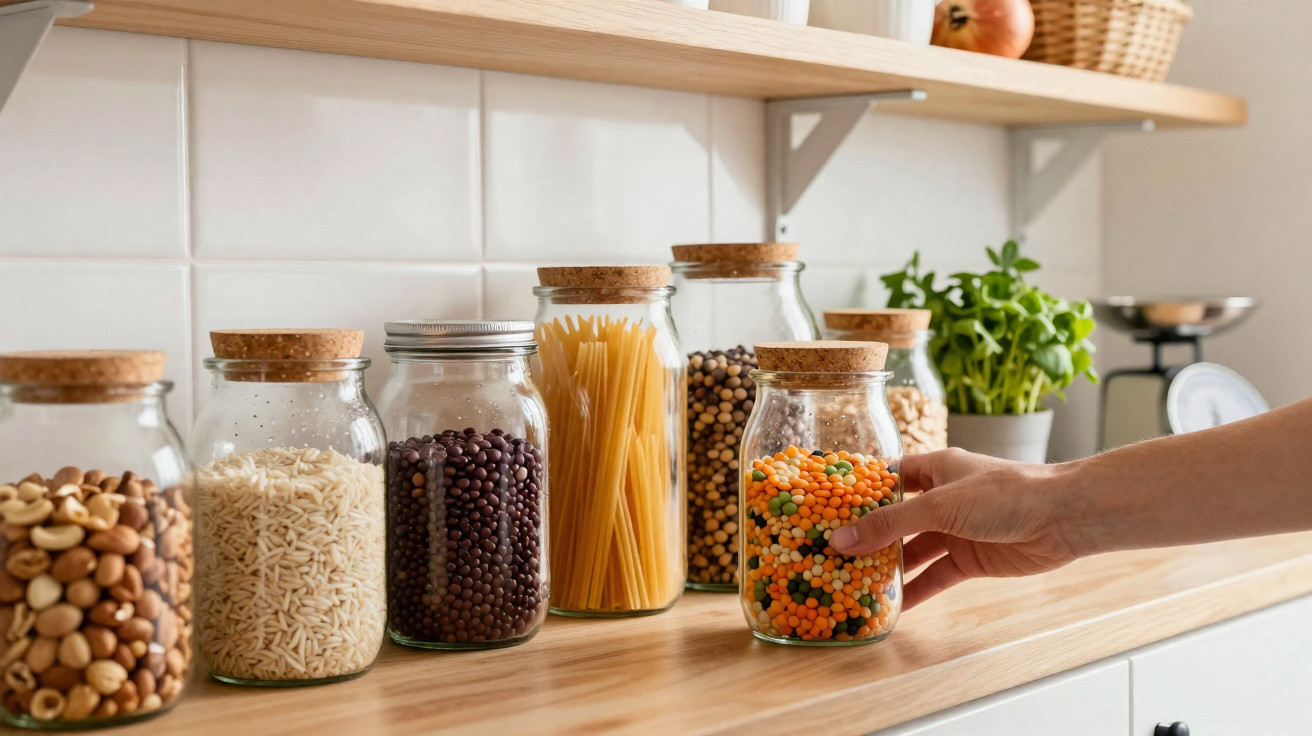
Keeping the pantry organised after the monthly shop calls for smart methods that protect food quality. Plastic containers can affect the flavour of grains and make it easier for unwanted weevils to appear in stored packages. Replacing them with eco-friendly alternatives supports a healthy diet and keeps the kitchen organised for far longer.
How does proper food storage preserve the flavour of your recipes?
Storing provisions in suitable containers prevents excess moisture and the spread of small insects that quickly spoil grains. Selecting the right packaging to preserve ingredients ensures even cooking and retains the original aroma of every culinary preparation made as part of our daily household routine.
The materials that come into contact with food directly affect family health and the lifespan of stored items. Sustainable, affordable solutions can improve the pantry routine, delivering excellent home preservation through the intelligent reuse of recycled packaging that would otherwise be discarded into the environment.
- Complete protection: A glass jar shields rice from weevils and keeps the grains dry.
- Flavour retained: Unlike plastic, glass does not transfer chemical smells to food.
- Practical sustainability: Reusing preserving jars reduces waste and makes shelves more attractive.
Why are reused glass jars the best choice for your pantry?
Using recycled glass containers creates an impenetrable barrier against pests and external factors that damage dry provisions. This economical habit prevents unnecessary spending on expensive organisers, turning large preserving jars into ideal containers for storing brown rice and other cereals essential to our daily diet.
Properly sanitising this recycled packaging makes it safe to use continuously for many years when organising the kitchen. Watch a practical guide with reliable household organisation tips by checking the details shared by the specialists behind the renowned Organize Sem Frescuras YouTube channel:
What care ensures a perfect seal on recycled containers?
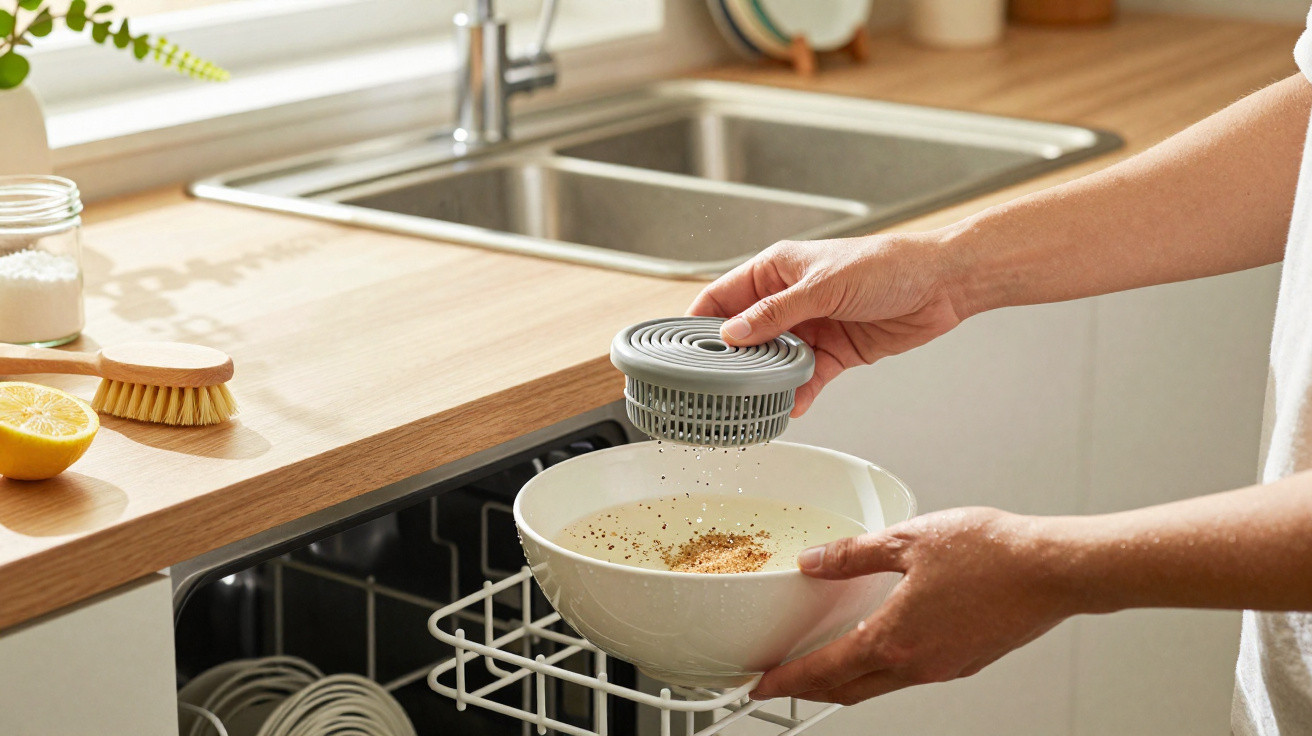
Thorough cleaning with boiling water and mild soap removes old residues from reused packaging before it is filled with new food. Ensuring the lids are fully dry and free from rust is essential for safe food storage, without residual moisture that could spoil an entire supply of dry grains.
Effective packaging sterilisation
An essential step for food safety
Boiling the jars for ten minutes removes microorganisms and gets rid of strong odours from foods stored in them previously.
Allow them to dry naturally upside down on a clean cloth before adding the new provisions.
A secure seal prevents air from entering and retains the crunchiness and freshness typical of cereals stored in the kitchen. To achieve the best possible results when preserving food, use effective methods that prevent waste by making use of the resources available in your own home, with straightforward steps that support your wellbeing.
- Place pieces of greaseproof paper beneath the lid to improve the seal of glass jars.
- Put a bay leaf inside the jar to repel weevils naturally.
- Keep containers in dark, well-ventilated places away from the heat of the cooker.
How can you organise shelves practically after the monthly shop?
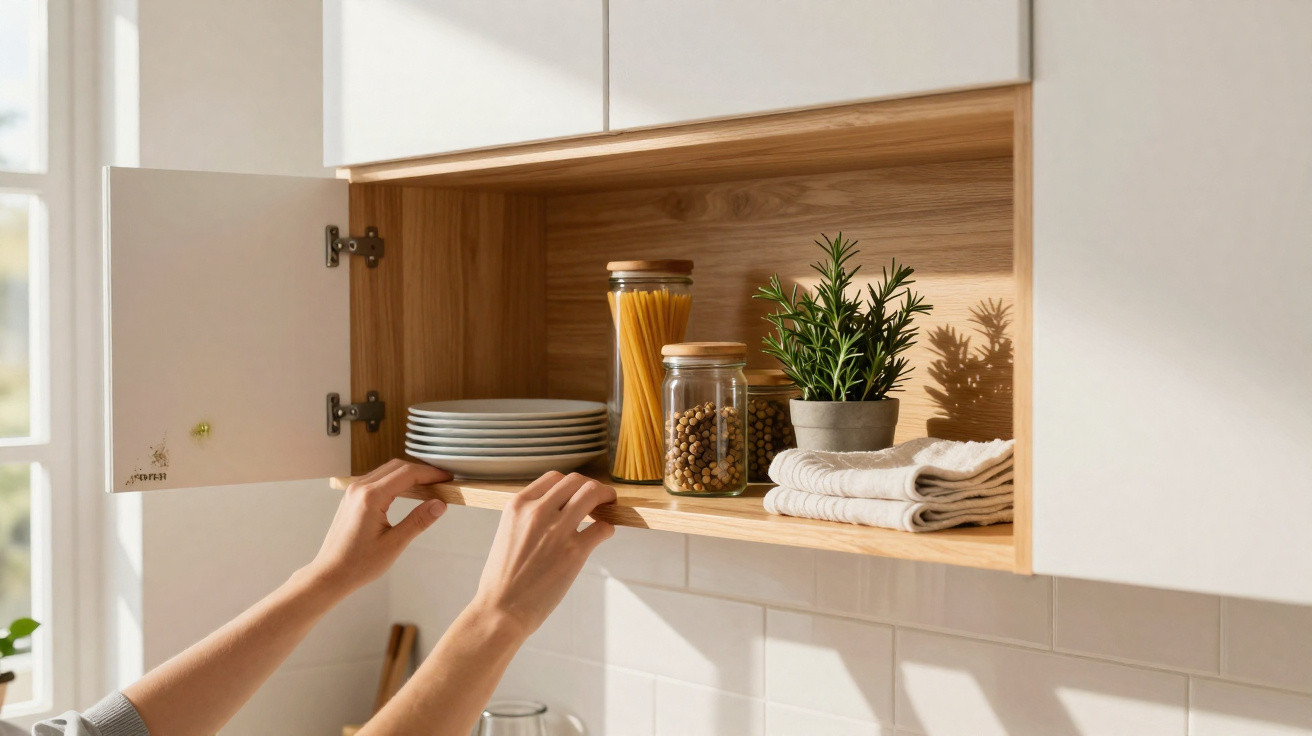
Placing transparent containers at the front of shelves makes it easier to quickly see which items need replacing on the next supermarket visit. This immediate visual identification streamlines meal preparation and prevents duplicate ingredient purchases, keeping household management more efficient and financially balanced for householders.
Labelling every jar with the original expiry date helps ensure products are used within the period set by food manufacturers. To establish an impeccable organisational routine that fits the available cupboard space, consider these recommended practices for maintaining functional kitchens with simple, sustainable ideas:
- Use the method of placing older products in front of newer ones.
- Group jars by food category to speed up meal preparation.
- Clean shelves with white vinegar to deter insects and remove grease.
What are the long-term benefits of removing plastic from grain storage?
Permanently replacing plastic tubs with glass containers drastically reduces the production of polluting waste created by everyday activities in the home. Glass is an infinitely recyclable material that does not release harmful toxins, ensuring daily white rice remains free from bisphenol and tastes excellent for family health.
Investing in the reuse of materials demonstrates a genuine commitment to conscious consumption and improves the visual appearance of the storage area. This simple change transforms the feel of the space, producing immediate financial savings while raising the standard of care given to the food eaten each day by everyone in the household.








Comments
No comments yet. Be the first to comment!
Leave a Comment