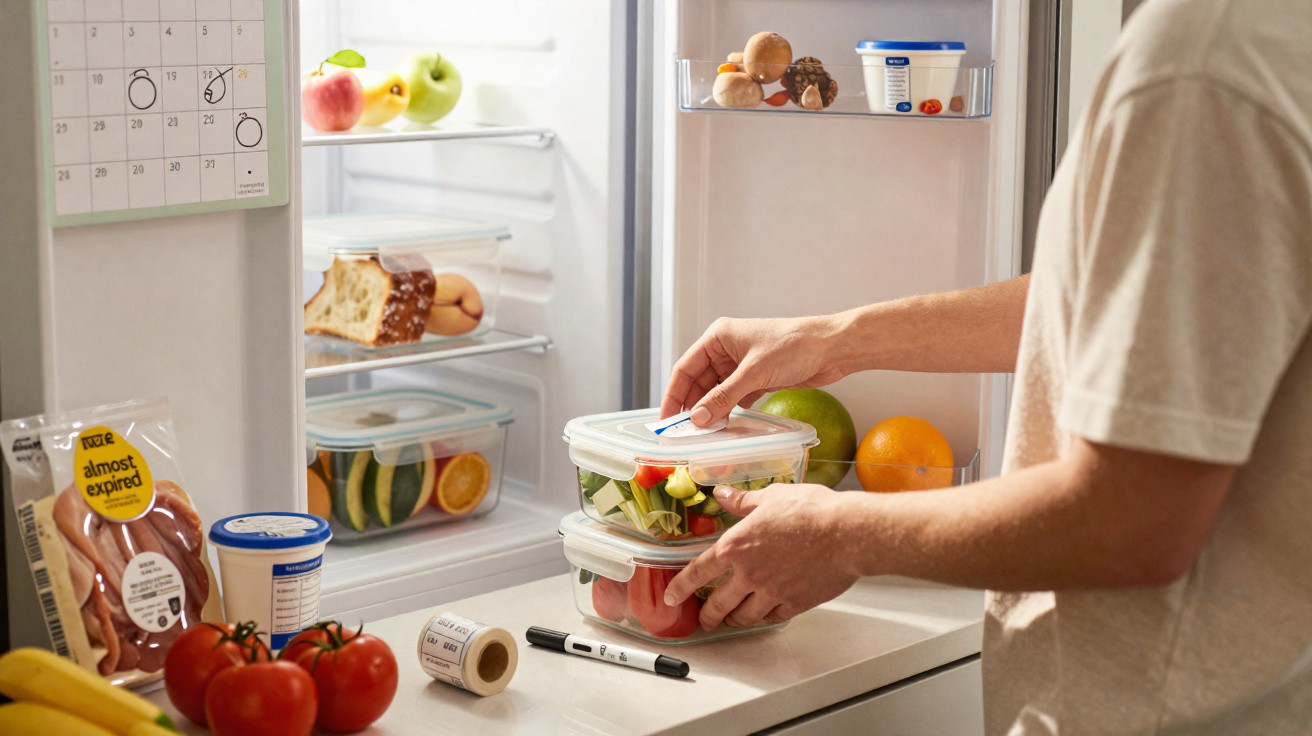
There may be minced meat in the fridge that is due to be used tomorrow, or a ready-made lasagne forgotten amid the stress of office life. Before the pack ends up in the bin, putting it in the freezer can seem like the perfect way to prevent food waste. However, not every product is suitable for freezing, and some can no longer be saved at all – you merely postpone the risk.
What “nearly expired” really means in everyday life
In supermarkets and at home, two very different dates are commonly seen: the best-before date and the use-by date, which appears on many fresh products.
- Use-by date (usually stated as “use by”): primarily for raw meat, fish and fresh ready meals.
- Best-before date (“best before”): for dry, less perishable products such as pasta, yoghurt and tinned food.
When people say food is “nearly expired”, they usually mean products approaching their use-by date – in other words, particularly high-risk foods. This is where freezing matters, because it cannot kill bacteria; it can only stop them from multiplying.
What matters is not freezing itself, but when it is done and how the product was stored beforehand.
When you can safely freeze food close to its use-by date
The basic rule is clear: freeze food only before its use-by date, never afterwards. Once that date has passed, the pack – especially meat or fish – belongs in the bin, not the freezer.
For freezing to offer genuine protection, three conditions need to be met:
1. The date has not yet passed
It sounds obvious, but in practice it often falls apart with the thought: “It will probably be fine.”
- If the date has already passed: do not freeze it, particularly raw meat, fish and fresh ready meals.
- If the date is in one or two days: freeze it now rather than waiting until the final evening.
If you intend to freeze a steak or minced meat that “expires tomorrow”, ideally put it in the freezer straight after buying it. The closer it is to the deadline, the longer bacteria have had to multiply at fridge temperature.
2. The cold chain has genuinely been maintained
Even where the date is still valid, the cold chain is hugely important. For example, meat theoretically due to expire tomorrow may have spent an hour in a warm car at 25 degrees after shopping.
If a perishable product has been warm for too long, the freezer can no longer reliably save it – throwing it away is then the safer option.
A useful rule of thumb for getting food home:
- Use a cool bag or insulated bag, especially in summer.
- Do not leave perishable shopping in direct sunlight in the trolley.
- At home, put away meat, fish and fresh ready meals first.
3. It is packed cleanly and frozen quickly
Before putting a product into the freezer, it is worth taking a critical minute:
- Is the packaging sealed? If not, transfer it to a freezer bag or container with as little air as possible.
- Divide it into portions: several small packs are better than one thick block that takes ages to defrost.
- Label the date: write it directly on the bag or on a note kept in the freezer.
Freezing food cleanly packaged straight after shopping significantly reduces the risk, even when its use-by date is approaching.
How long can food close to its use-by date remain frozen?
Freezing halts rapid deterioration, but food does not remain unchanged indefinitely. Its texture, flavour and fat quality all decline over time. Straightforward guidelines are helpful for household use.
| Food | Recommended freezer storage time |
|---|---|
| Raw chicken breast, chicken thighs | up to approx. 6 months |
| Pork, lamb, veal | 6–8 months |
| Beef, game, whole poultry pieces | up to around 8 months |
| Minced meat (any type) | around 3 months |
| Fish fillets, seafood | 3–4 months |
| Homemade stews, soups, bakes | 3–4 months |
| Baguette | approx. 1 month |
| Yeasted pastries, cake or crêpe batters | up to 2 months |
| Cake, grated cheese, butter | around 3 months |
| Fruit and vegetables (suitable varieties) | up to 12 months |
Anyone who regularly keeps food in the freezer far longer will know the issue: eventually, the lasagne tastes of “freezer” and the fish has a slightly rancid smell. This is usually not an immediate health issue but more a question of enjoyment – yet an anti-waste plan can quickly turn into a frozen archive.
Warning signs: when frozen food is better off in the bin
Defrosting reveals whether food has coped well with its time in the freezer. Your three senses can help:
- Appearance: severely faded or grey-brown patches, excessive ice crystals and surfaces that look freezer-burned point to freezer burn.
- Smell: does it smell sour, sweet and metallic, or “off” after defrosting? Do not use it.
- Texture: meat or fish sitting in its own juices and appearing extremely soft or slimy may already have been partially defrosted and frozen again.
If your nose or eyes object, the food belongs in the bin – even if the date on the packaging is theoretically still acceptable.
Foods you should not freeze in the first place
Not everything copes with sub-zero temperatures. Some foods simply become unappetising, while others may even become unsafe.
Problem foods: eggs and dairy products
- Eggs in their shells: liquid expands in the freezer, so the shell can crack and allow germs to enter.
- Soft cheeses such as Camembert or Brie: their structure breaks down, the rind turns mushy and the centre becomes crumbly.
- Yoghurt, pudding and chilled desserts: these separate into water and solids during defrosting, affecting both flavour and mouthfeel.
Leftover grated hard cheese or butter, by contrast, rarely causes problems when frozen. Both defrost relatively well and can be used as normal.
Fruit and vegetables with a high water content
Anything made up mostly of water suffers in the freezer:
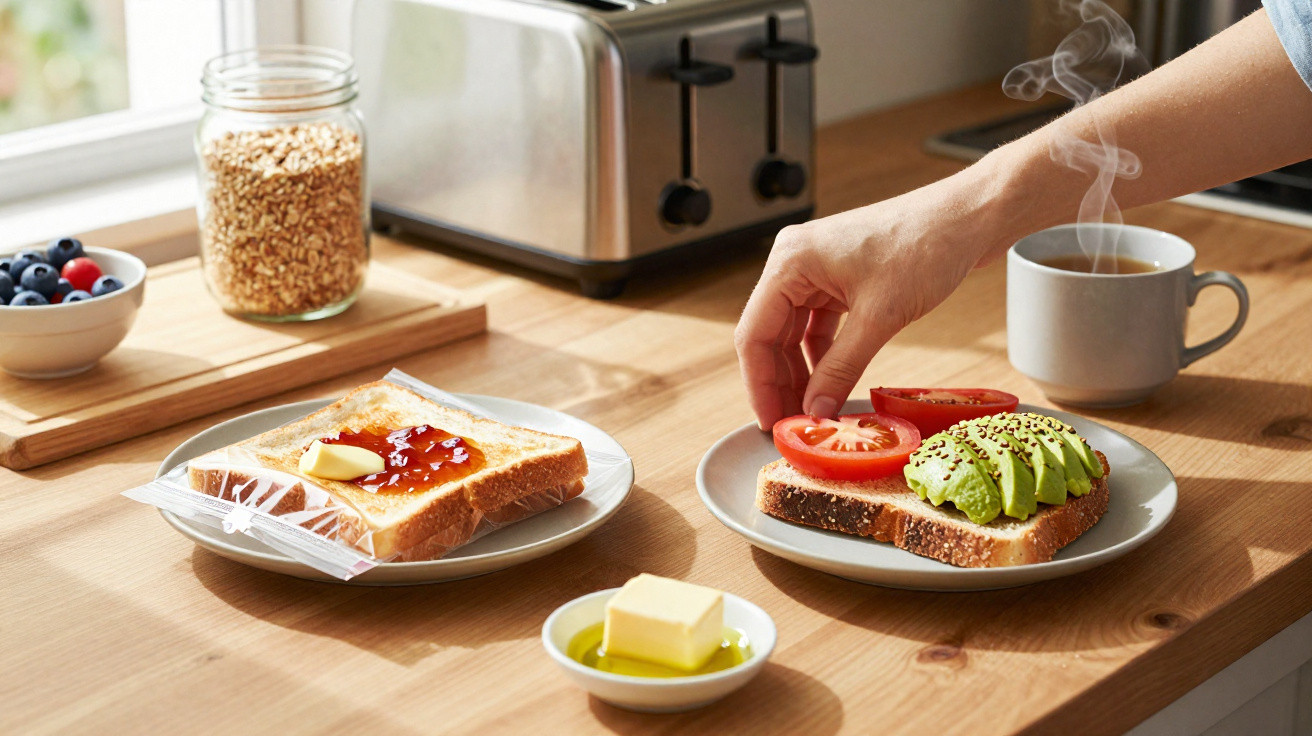
- Tomatoes, cucumbers, melon and watermelon
- Strawberries and other particularly juicy berries, if they are intended to be eaten fresh later
After defrosting, these foods become soft and watery. They can still work in smoothies or sauces, but on bread or in a salad they tend to be rather disappointing.
How freezing can genuinely become an anti-waste trick
Using the freezer and fridge intelligently can save money and substantially reduce food waste. A few routines make a difference:
- Plan while shopping: buy meat and fresh ready meals only in quantities you can realistically use, or plan from the outset to freeze part of them.
- Freeze no later than the day of purchase: do not wait until checking the date causes panic.
- Carry out a regular “freezer inventory”: once a month, take a quick look at what should be used soon.
Making a habit of portioning leftover stews or soups as soon as they have cooled and putting them in the freezer gives you quick lunches later – and considerably less waste.
Common misconceptions about freezing
The same myths regularly appear in kitchens. Three are especially persistent:
- “Frozen food keeps forever”: No. Quality and flavour decline, especially in fatty products and fish.
- “It is fine to freeze it again”: Refreezing food that has already been defrosted significantly increases the risk, particularly with meat and fish.
- “If it was frozen, it is automatically safe”: If the product was already questionable beforehand, you merely freeze the problem rather than solve it.
Keeping these points in mind means using the freezer as a sensible tool, rather than as a last resort.
Finally, it is worth noting the difference with products carrying a best-before date: a natural yoghurt or packet of pasta can often still be good for several days after that date if the smell and appearance are right. In these cases, the date is less about immediate safety and more about a quality guarantee. Raw meat, fish and fresh ready meals with a clear use-by date are very different: here, a single day and correct handling can determine whether food on the plate remains safe – or whether it is better left empty.










Comments
No comments yet. Be the first to comment!
Leave a Comment