In many kitchens, the stainless-steel sink and ceramic hob gleam, and the mop is used regularly. Yet a surprising amount of dirt collects precisely where we reach dozens of times every day without a second thought. This small area can become a kind of transfer point for germs, situated right between the saucepan and the fridge.
The kitchen's most overlooked germ hotspot
This means the kitchen light switches and push buttons: the small wall-mounted surfaces used constantly throughout the day, whether when entering the room, cooking or making a quick evening trip to the fridge. They sit at the intersection of food preparation and everyday busyness, yet they do not even make it onto most cleaning checklists.
Picture a typical evening of cooking. You chop raw meat, turn around briefly and turn up the light. Or you wash vegetables still carrying soil, dry your hands half-heartedly on a tea towel and immediately touch the switch. Every touch can leave microorganisms behind, while nobody wipes them away.
“The kitchen light switch is often touched several times an hour, but cleaned only a few times a year.”
That exact combination makes this surface so problematic. It is used continually, positioned close to food and hardly ever disinfected. Over days and weeks, layers of grease, skin particles and traces of food debris can accumulate, creating an ideal breeding ground for bacteria.
Why kitchen light switches become so dirty
Kitchen-hygiene studies show that frequently touched surfaces can carry as many germs as a chopping board used for raw meat. Alongside handles, this includes switches and control panels. Several risks come together in the kitchen:
- a warm, humid environment created by cooking
- grease splashes and steam settling on surfaces
- hands that have not been washed or have only been rinsed briefly
- several different people using the same switches
Germs such as E. coli or salmonella do not simply disappear because they land on a hard surface. They can survive there for a while and, depending on conditions, potentially for quite a long time. When children or older people are involved, the risk of gastrointestinal infections and other symptoms rises considerably.
There is another issue: in day-to-day life, several family members often touch the same switch one after another. Someone handling raw meat while cooking may operate the switch shortly afterwards, potentially passing pathogens straight on to the next person's hand. This creates a quiet cycle of reinfection.
Why weekly cleaning makes such a difference
The good news is that there is no need to go through the kitchen with disinfectant every day. Many hygiene researchers consider a straightforward, set weekly routine entirely sufficient to keep germ levels under control, provided it is followed consistently.
“Clean all switches and handles deliberately once a week, and the kitchen's most dangerous germ bridges lose their threat.”
Cleaning the switch once a week stops thick layers of dirt and grease from building up in the first place. The bacterial population is repeatedly reduced substantially. This lowers the likelihood that invisible contamination will lead to real symptoms.
Safe cleaning: how to clean switches without risk
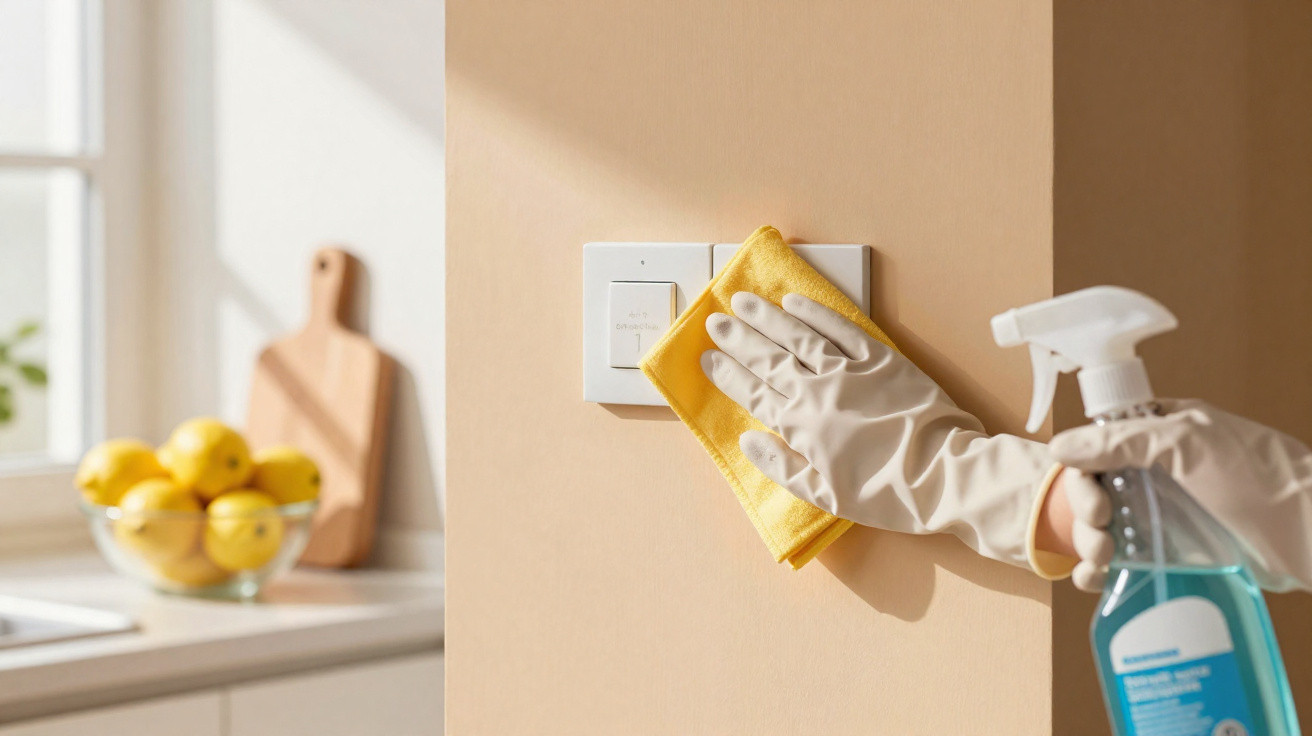
Electrical components need to be handled carefully. The most important rule is never to spray directly onto switches or sockets. Liquid must not run into the inside.
A simple step-by-step guide
- Check the power source: Switch off the light and avoid using wet hands.
- Prepare the cloth: Dampen a microfibre cloth with a little cleaning or disinfecting solution, but do not soak it.
- Wipe the surface: Rub the switch plate and the surrounding area thoroughly, including the edges.
- Clean the corners: Lightly moisten a cotton bud for grooves or textured areas, then run it gently over them.
- Dry thoroughly: Wipe over with a dry cloth so that no moisture remains around the electrical components.
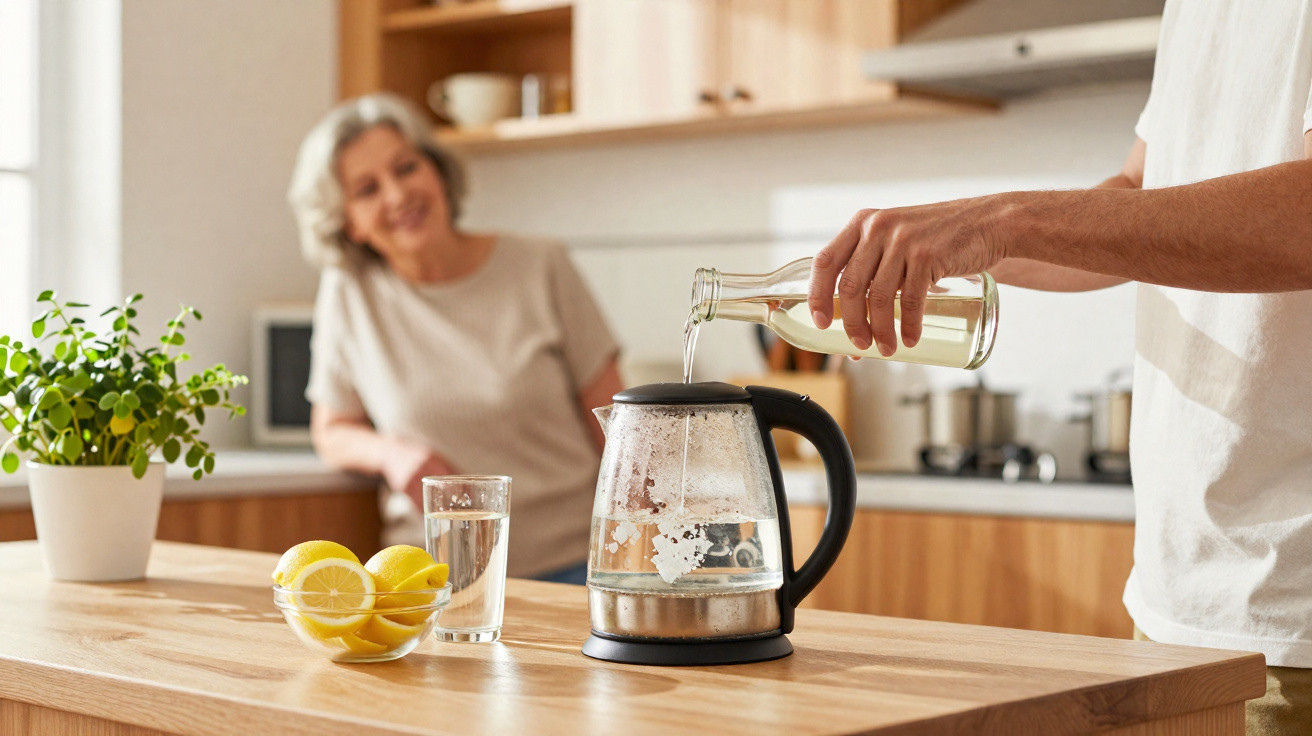
Anyone wishing to avoid harsh chemicals in the kitchen can use a mixture of equal parts water and white vinegar. This solution works against many bacteria, leaves no problematic residues and is suitable for surfaces near food. One point to note: many people dislike the smell of vinegar, so air the room briefly after cleaning.
Other areas to clean at the same time
It is worthwhile to clean more than just the light switch and include every frequently touched surface at once. This creates a small “hygiene round” that takes hardly more than ten minutes.
| Area | Why is it critical? |
|---|---|
| Fridge handle | Touched at almost every meal, often with dirty hands |
| Cupboard knobs and drawer handles | Can pick up traces of flour, dough, oil and raw food |
| Tap lever | Usually operated before hands are actually washed |
| Microwave buttons | Often pressed quickly with greasy or dirty fingers |
| Oven and hob controls | Constantly used surfaces directly beside the cooking area |
Setting a fixed weekday, such as Saturday morning after breakfast, helps turn this into an automatic routine that requires little thought. Many people find that reaching for the cloth eventually becomes second nature once they have taken out the rubbish or loaded the dishwasher.
Long-term effects on health and wellbeing
Regularly cleaned switches and handles do not merely look clean in the short term. They develop far less stubborn build-up and can be cleaned with much less effort. Rather than scrubbing away persistent yellowish marks, a quick wipe is enough. In the end, this even saves time.
For children and older people, the difference may be noticeable. Gastrointestinal infections that appear to come “out of nowhere” often originate in the kitchen. When critical contact points such as switches, handles and taps are cleaner, the number of germs the body has to contend with every day is reduced.
Professional kitchens have shown for years how effective consistent surface management can be. In restaurants, regular disinfection rounds are now considered as important as fridge temperatures and cooking temperatures. Applied to the home kitchen, this means that it is not only the storage times of chilli, hummus or sliced cold cuts that matter; the hygiene of the hands reaching for them matters too.
Hands, air and surroundings: how everything works together
Anyone wanting to keep their kitchen hygienic should consider two factors alongside surfaces: hands and the room environment. Frequent, thorough handwashing interrupts many chains of infection before they can even begin. At the same time, cooking releases grease and water vapour into the air, which then settles on surfaces, including switches.
A good extractor hood, regular burst ventilation and a clean filter can substantially reduce this film. Some plants may provide an additional improvement to air quality, but they are no substitute for a cloth. The key remains the combination of less sticky residue and a simple, fixed wiping routine.
How to make the new cleaning habit last
For many people, the challenge is not the cleaning itself but remembering to do it in everyday life. One small trick is to deliberately link the task to something that already happens every week, such as laundry day or the main grocery shop. Those who automatically wipe down the handles and switches after unpacking their shopping bags no longer need extra motivation.
The time involved is minimal: one to two minutes per week for the switches, plus a few more minutes for all the handles. Over a year, that adds up to less than two hours. In return, the germ load falls considerably, with the added benefit of feeling that you are standing in a genuinely clean kitchen.








Comments
No comments yet. Be the first to comment!
Leave a Comment