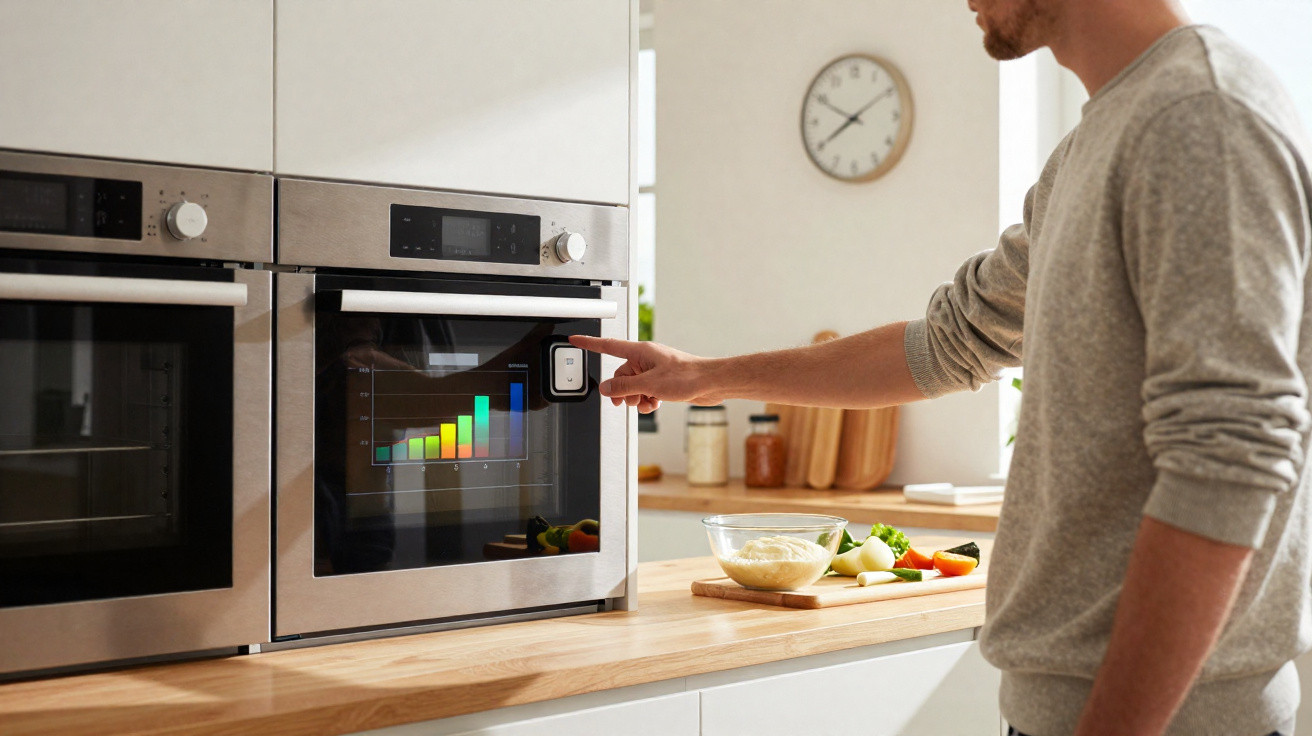
The smell of a bake or pizza coming from the oven is an established part of the evening routine in many households. Yet a far-reaching electricity tariff reform is turning precisely the period from 18:00 to 22:00 into a costly trap. The new summer arrangement begins in many areas in April, changing when using the oven is still worthwhile and when every minute of electricity use becomes expensive.
What lies behind the new electricity tariff rules
The change stems from a reform of so-called off-peak tariff periods: the hours when electricity is billed at a lower rate. Grid operators and regulatory authorities are rearranging these times to align electricity consumption and generation more effectively.
The plan is for each day to include eight hours in total at a reduced tariff. At least five of these hours fall overnight, between 23:00 and 07:00, while up to three further hours may be offered during the day, between 11:00 and 17:00. Photovoltaic systems generate the most electricity around midday, and the aim is to make better use of that power.
Earlier arrangements, under which the off-peak tariff also applied from 07:00 to 11:00 or in the evening until 23:00, are being phased out. They are due to disappear completely by the end of 2027. However, the new system is already taking effect in many homes, with the impact particularly noticeable during the warmer months.
“Anyone relying on the off-peak tariff needs to review their habits – otherwise evening consumption will wipe out the benefit again.”
April marks the turning point: summer makes evenings expensive
The so-called summer period starts on 1 April and runs until 31 October. During this phase, the three cheaper daytime hours move entirely into the 11:00 to 17:00 window. No off-peak tariff can then apply between 18:00 and 23:00.
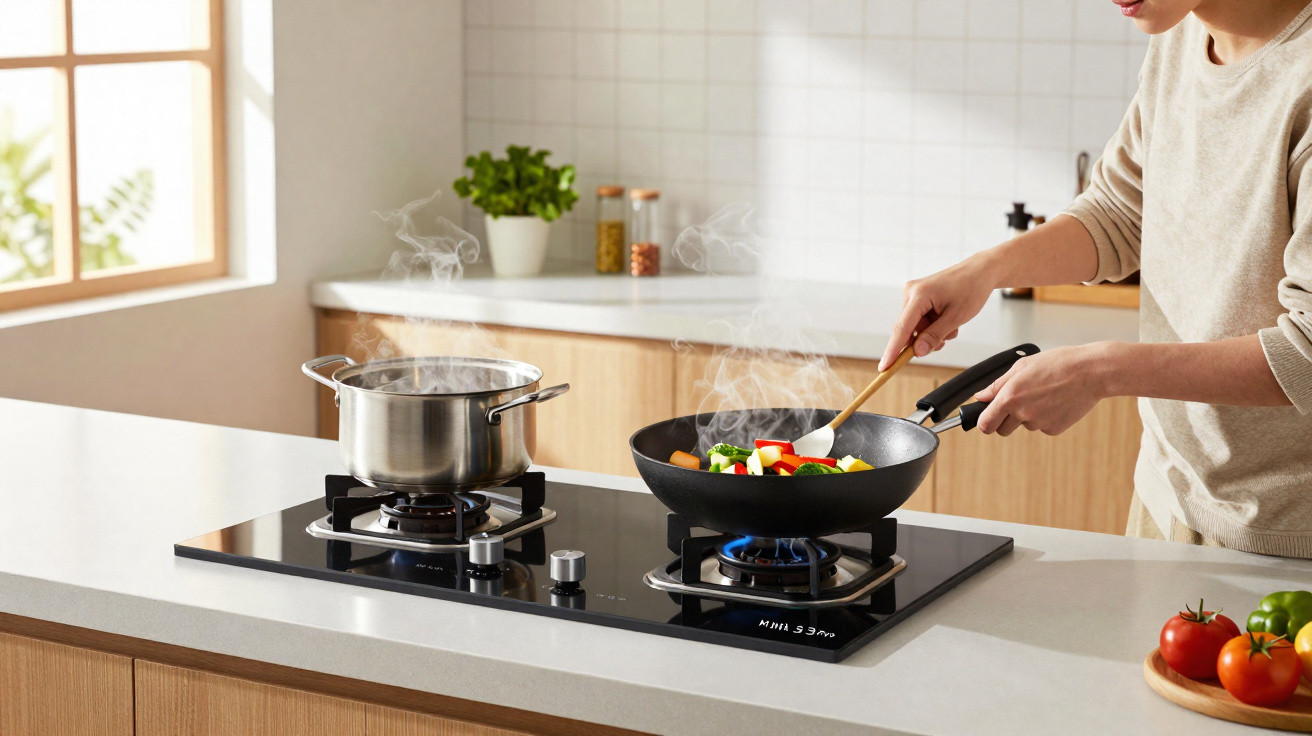
The result is clear: every kilowatt-hour a household uses between 18:00 and 22:00 is guaranteed to be charged at the peak tariff. This affects not only the oven, but also the hob, dishwasher, washing machine, lighting, entertainment equipment and, potentially, electric-car charging.
For millions of customers on the “peak tariff/off-peak tariff” option, the rules are changing. Those who keep their existing routines unchanged will lose some, or all, of the price advantage.
Why the oven becomes a costly issue
Between 18:00 and 22:00, many homes run everything at once: the hob, oven, lights, heating or air-conditioning systems, television and computers. This concentrated demand creates the national evening peak – and it is exactly what the reform is designed to address.
At the currently regulated prices, a kilowatt-hour costs around €0.2146 at the peak tariff and approximately €0.1696 at the off-peak tariff. That represents a difference of roughly 20 per cent. It may not sound dramatic initially, but it adds up considerably over the months.
An oven is among the most electricity-hungry appliances in the home. Depending on the model and cooking time, a single use can easily consume 1 to 2 kilowatt-hours or more. If most baking takes place during the expensive evening period, customers continuously pay the higher rate and effectively give up the benefit of their tariff option.
“Anyone who mainly bakes in the evening barely uses the off-peak tariff – the oven becomes a quiet everyday cost trap.”
When the off-peak tariff genuinely pays off
Energy experts offer a rule of thumb: at least around 30 per cent of total electricity consumption should be shifted into off-peak periods for the model to be truly worthwhile. The main appliances to consider are:
- electric hot-water storage systems (boilers or instantaneous water heaters with a storage function)
- washing machines and tumble dryers
- dishwashers
- charging electric cars or plug-in hybrids
- ovens and hobs used for longer cooking times
Anyone unable to move a significant share of these power-hungry uses into the cheaper hours may ultimately pay more than they would on a straightforward single-rate tariff.
How households can adapt their oven routine
The start of the summer period in April requires many families to make a small kitchen reset. It sounds more inconvenient than it ultimately is. A few targeted changes are enough to keep using the oven extensively without worrying about the cost of every pizza.
Bake at lunchtime, enjoy it in the evening
Because the three additional off-peak hours during the day fall within the 11:00 to 17:00 period, lower-cost cooking shifts towards lunchtime. This creates new routines:
- finish baking bakes, lasagne or gratins in the early afternoon during the off-peak tariff
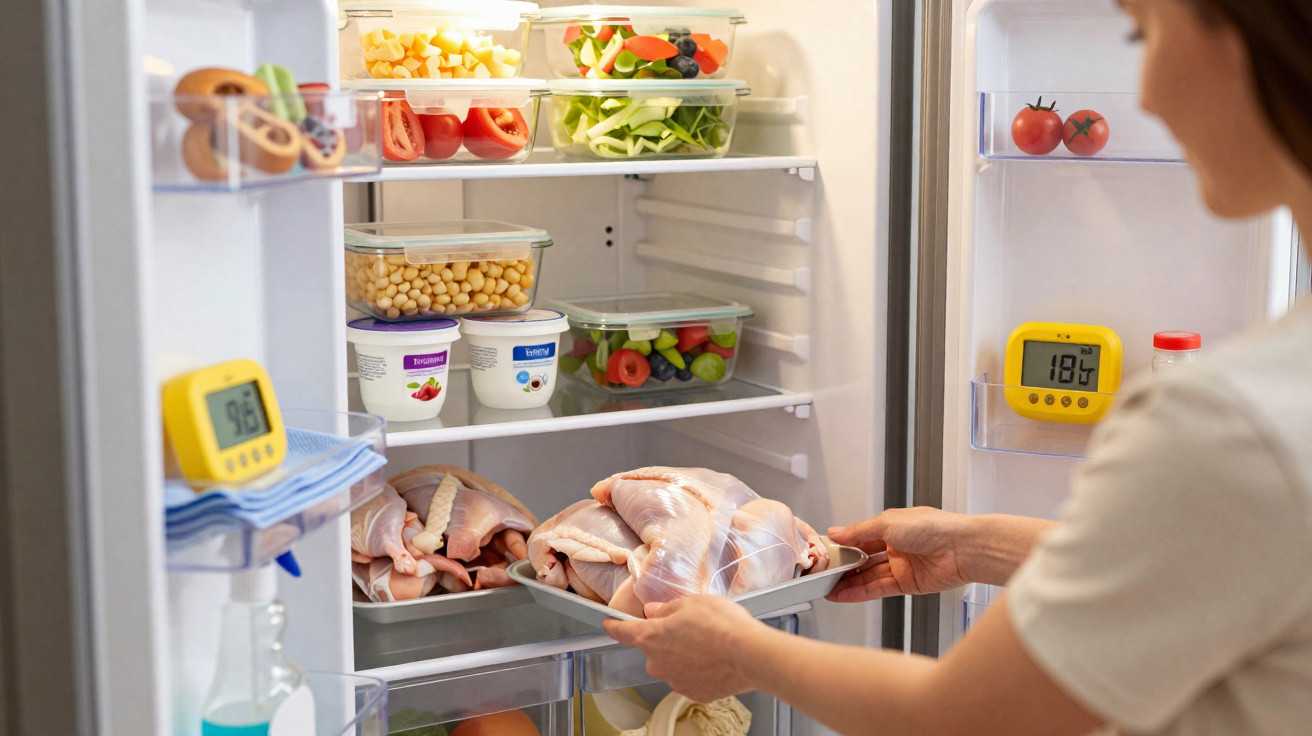
- allow food to cool, store it in the fridge and only reheat it briefly in the evening
- bake biscuits, cakes or bread during the day at weekends and eat them during the week
- prepare larger quantities and freeze them in portions
This “batch cooking” approach not only cuts electricity costs but also saves time on busy weekday evenings.
Use the oven intelligently rather than banning it
Nobody needs a strict evening “oven ban”. A more sensible approach is to use it consciously:
- shorten cooking times where possible, for example by using fan cooking instead of conventional top-and-bottom heat
- avoid preheating where recipes allow it
- cook several dishes one after another while the oven is still hot
- prepare smaller quantities in a mini oven or air fryer
- use the microwave for frequent reheating, as it is usually more efficient
“The most important adjustment is not giving up entirely, but moving energy-intensive steps into the cheaper hours.”
The smart electricity meter as a useful tool
Anyone already using a modern remote-readable electricity meter can usually check their tariff times directly on the device or through their online customer account. This is worthwhile because the exact times can vary slightly by region, supplier and grid operator.
Many appliances also offer straightforward scheduling functions. Washing machines, dishwashers, hot-water storage systems and even smart oven controls can therefore be programmed specifically for off-peak tariff periods. Electric-car owners should in any case consistently shift charging to overnight or midday hours.
| Time window | Typical tariff | Recommended oven use |
|---|---|---|
| 23:00–07:00 | Off-peak tariff (night) | Batch baking, bread, cakes, slow cooking |
| 11:00–17:00 (April–October) | Off-peak tariff (day, depending on contract) | Lunchtime meals, advance cooking for the evening, baking days |
| 18:00–22:00 | Peak tariff | Brief reheating only, small baking tasks, reduce use where possible |
How much can the bill really rise?
A calculation illustrates the scale. Assume a household uses the oven for one hour on five evenings per week, consuming around 1.5 kilowatt-hours each time. That amounts to approximately 30 kilowatt-hours per month.
If all 30 kilowatt-hours are used at the peak tariff, the cost comes to a little over €6. At the off-peak tariff, it would be just over €5. A difference of around €1 per month may seem small, but that applies only to the oven.
Once the washing machine, dishwasher, water heating and electric-car charging are added, the difference can quickly reach double figures. Anyone placing many of these loads in the expensive evening hours gives away real money every month.
Why the state wants to reduce evening consumption
The tariff reform is not solely intended to influence household budgets. The energy transition and grid expansion require peak demand on the network to fall. The less everyone draws huge amounts of electricity at the same time, the more stable the system operates.
Moving off-peak tariff hours to the night and midday deliberately directs consumption towards periods when plentiful wind or solar power is available. This can reduce the need for expensive reserve electricity from fossil-fuel power stations. For consumers, this means that flexibility brings lower prices while also easing pressure on the grid.
Practical everyday kitchen tips
For many families, it is worth adjusting the weekly plan slightly. For example:
- prepare a bake or roasted vegetables in the morning and cook them at lunchtime on the off-peak tariff
- keep portions in the fridge and only warm them briefly in the oven in the evening
- cook soups and stews in large quantities at weekends and freeze them in portions
- use ready-made dough to shorten baking times
- switch the oven off with 5–10 minutes remaining, as the residual heat is often sufficient
For households with children, the topic can even be made into a game: saving electricity together with the aim of beating the next electricity bill builds awareness without making it feel like a lecture.
What terms such as peak tariff and off-peak tariff mean
Peak tariff describes the hours when electricity is most expensive. These are usually morning and, in particular, evening periods, when most of the population is active. Off-peak tariff refers to time windows in which the price is noticeably lower, providing an incentive to shift consumption.
The two-rate tariff option is particularly worthwhile for households with higher annual consumption and several large electrical appliances. Those living in a well-insulated flat with gas heating and using relatively little electricity are often better served by a straightforward single-rate tariff.
What this means for the oven in April and summer
Once the summer period begins in April, the rule is simple: the oven is not banned, but poor timing costs money. Anyone who continues to schedule most baking as a matter of course between 18:00 and 22:00 will pay more over time and make only limited use of their own tariff.
By contrast, those who deliberately switch to night-time and midday hours, prepare a few dishes in advance and plan short reheating periods for the evening can retain their convenience while still lowering their electricity bill. The key change does not take place in the fuse box but in the mind: from now on, the oven simply works best at different times.













Comments
No comments yet. Be the first to comment!
Leave a Comment