Public interest in health, fitness and longevity is intense. That fascination has created a multi-million-pound industry built around promoting the newest scientific advances, lifestyle changes and products said to prevent ageing and help us live for as long as possible.
Yet living a longer life need not be quite so complex. Everyone can make a range of straightforward changes that may slow the passage of time and help them feel younger.
When we discuss age, we do not necessarily mean the number of candles on a birthday cake. In fact, we each have two distinct ages.
The first is chronological age: the total number of years for which you have been alive.
The other is your "biological age", sometimes called your "true age" or "internal body age". It describes how effectively the body's internal systems are operating, based on indicators of ageing found in cells, blood and DNA.
Research suggests that biological age, rather than chronological age, is linked to lifespan. Consider two people who are both 60 years old: the individual with the younger biological age would be more likely to outlive the person whose biological age was higher.
There are now several methods for assessing biological age through epigenetic testing. These tests can be carried out at home using only a small saliva sample, which is sent to a laboratory for DNA extraction and analysis of what is happening within the body.
The daily choices we make can influence our biological age. Some behaviours, including drinking alcohol, smoking and inactivity, may raise it, while other factors can help turn back the clock. In that sense, how long we live may genuinely be partly in our own hands.
Here are five evidence-backed ways to lower your biological age:
1. Run away from ageing – literally
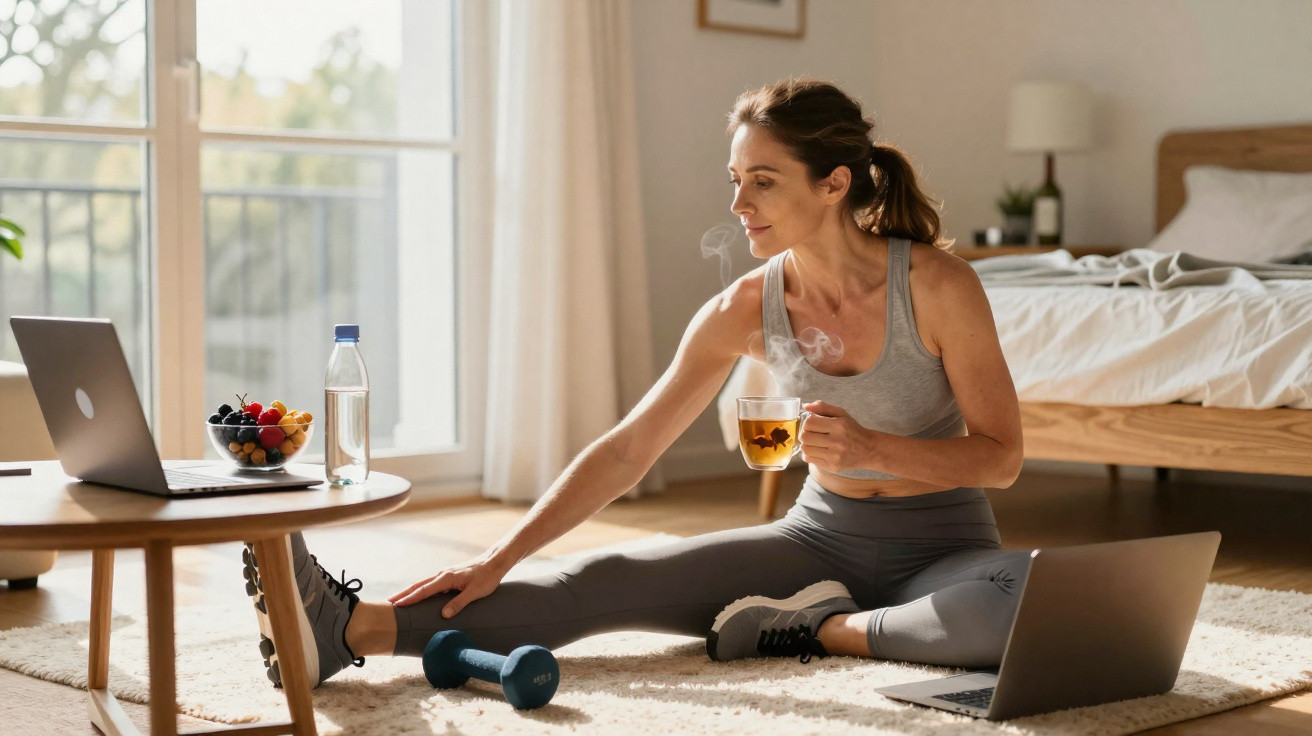
Increasing physical activity and exercising regularly across the lifespan lowers the risk of death from all causes, thereby directly supporting longevity.
It is never too late to begin, either. One study showed that inactive people who followed an eight-week exercise programme, involving 60-minute workouts three times weekly, reduced their biological age by roughly two years.
Combining strength training with endurance exercise three to four times each week can also substantially reduce ageing, even when sessions last only 23 minutes.
Exercise affects DNA methylation, a process that determines whether particular genes are "on" or "off". As we get older, genes naturally begin to switch off, which contributes to wrinkles and grey hair.
Physical activity can slow this process, allowing genes responsible for vital bodily functions to keep working for longer.
2. You are what you eat
Choosing healthier foods can directly lower biological age, and this benefit appears even stronger among people with chronic disease and obesity.
A study involving almost 2,700 women found that following healthier dietary patterns for 6–12 months was an important contributor to staying younger for longer. On average, this eating pattern was also linked to ageing that was 2.4 years slower.
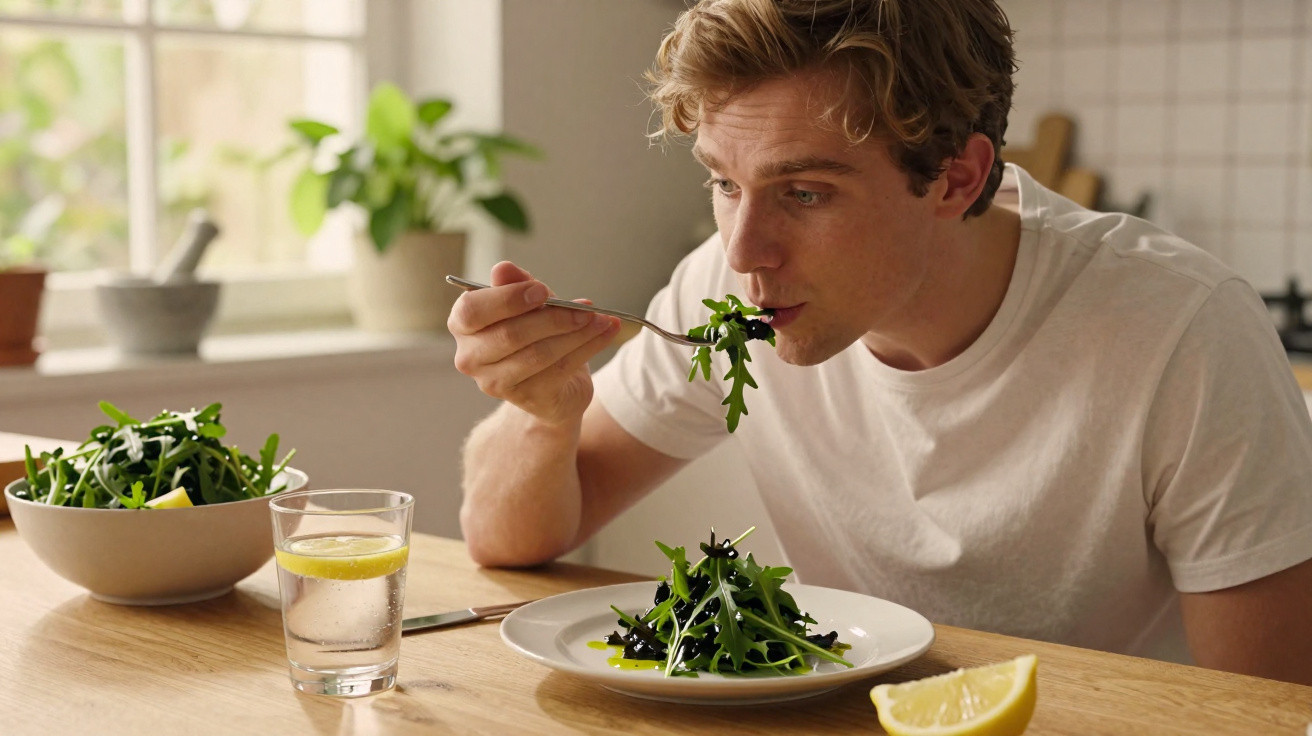
Healthier choices included consuming more fruit, vegetables, whole grains, nuts, legumes, fish, lean protein and healthy fats, such as oil, while cutting back on red meat, saturated fat, added sugars and sodium.
A balanced diet supplies antioxidants, vitamins and anti-inflammatory compounds, which support cellular repair and lessen stress on DNA. These nutrients also affect DNA methylation.
3. Improve sleep habits
Sleep is among the most powerful predictors of healthy ageing because it influences almost every system in the body. High-quality sleep enables DNA repair, restores hormonal balance, reduces inflammation and clears cellular waste, helping the immune, metabolic and nervous systems remain resilient and youthful.
One review found a direct relationship between sleep quality and the speed at which we age. People sleeping for fewer than five hours each night have a significantly higher risk of age-related conditions including diabetes, heart disease, cancer and dementia.
Furthermore, a major UK study of almost 200,000 participants found that shift workers, particularly those working night shifts, had a biological age around one year greater than people who worked standard hours.
4. Avoid unhealthy vices
Vaping, smoking and drinking alcohol are among the most powerful and consistently observed drivers of accelerated ageing.
Smoking, for example, has been shown to age the lungs by as much as 4.3 years and airway cells by almost five years.
Likewise, a study of 8,046 adults aged 30–79 years found that drinking any quantity of alcohol was associated with faster biological ageing. The greater the alcohol intake, the more ageing was accelerated.
These behaviours hasten biological ageing by damaging DNA directly, increasing inflammation and placing cells under excessive stress. As a result, the body and its organs must work harder, causing them to age faster.
5. Master your mind
Managing stress is essential. Research indicates that the ability to regulate emotions and control stress levels predicts age acceleration. A separate study found that working more than 40 hours per week on average increased biological age by two years, probably because of stress.
Stress may speed up biological ageing directly through its effects on hormonal responses, DNA damage and reduced immunity. It can also indirectly influence other age-accelerating factors, including diet, sleep, drinking and smoking. This makes positive coping strategies for handling stress especially important.
A growing body of evidence also indicates that loneliness, exposure to extreme heat and cold, air pollution and environmental circumstances, such as living in deprived areas, can all influence how we age.
It is important to recognise that these factors may affect people differently, depending on their genetics, the length of time they have maintained such lifestyle habits and other influences.
Even so, these findings offer an insight into how altering relatively small habits can improve health and wellbeing and, in some cases, turn back the clock.
Henry Chung, Lecturer, School of Sport, Rehabilitation and Exercise Sciences, University of Essex and Charlotte Gowers, Lecturer, Psychology, Sport and Sensory Science, Anglia Ruskin University
This article is republished from The Conversation under a Creative Commons license. Read the original article.











Comments
No comments yet. Be the first to comment!
Leave a Comment