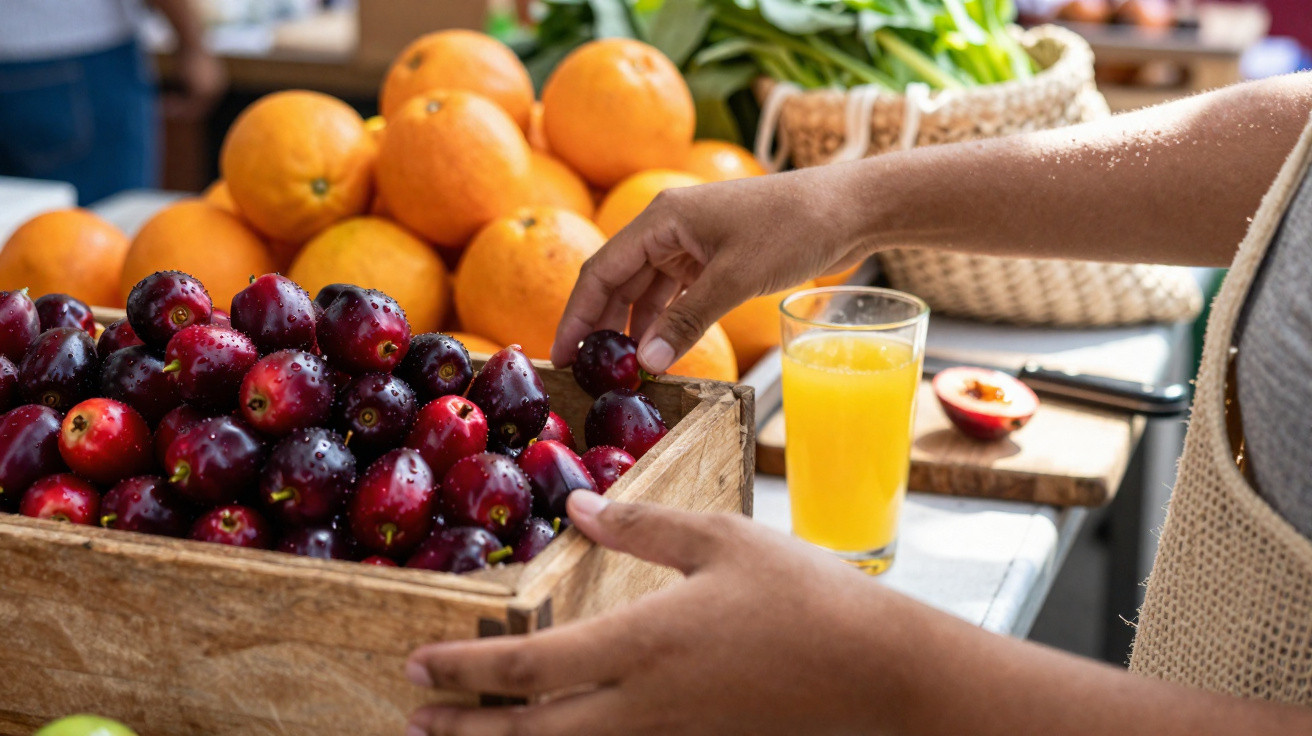
Camu-camu has returned to food markets, delicatessens and stalls specialising in regional produce, driven by growing interest in native fruits, frozen pulp and foods with a high nutritional density. This Brazilian fruit, which remains less familiar in everyday diets than the orange, stands out for its vitamin C content and its close connection with Amazonian biodiversity.
Why has camu-camu returned to food markets?
Its return is due to several factors. Demand for ingredients from the Amazon has increased, the fruit-pulp market has broadened its distribution, and small-scale producers have begun presenting the fruit as an option for juices, jams and desserts. At markets, camu-camu is attracting shoppers who already seek out açaí, cupuaçu, taperebá and other native species.
There is a practical reason too. Because it has a sharp flavour and is a delicate fruit, camu-camu is generally distributed more effectively as pulp, powder or an artisan preparation. This makes it easier to stock at specialist stalls and enables the Brazilian fruit to gain commercial value without relying solely on sales in its fresh form.
What makes this Brazilian fruit different from the orange?
The comparison with the orange is common because it is the best-known reference point for vitamin C. For camu-camu, figures reported in studies and food-composition databases place the fruit in a different category, with far higher concentrations per 100 grams of edible portion.
That does not make camu-camu an automatic replacement for every citrus fruit. Oranges remain important because they are part of everyday eating habits, have a more approachable taste and are widely available. Camu-camu’s distinction lies in its concentration, pronounced acidity and the added value carried by this Brazilian fruit when it reaches a market stall or chilled shelf.
How can you consume it without compromising nutritional quality?
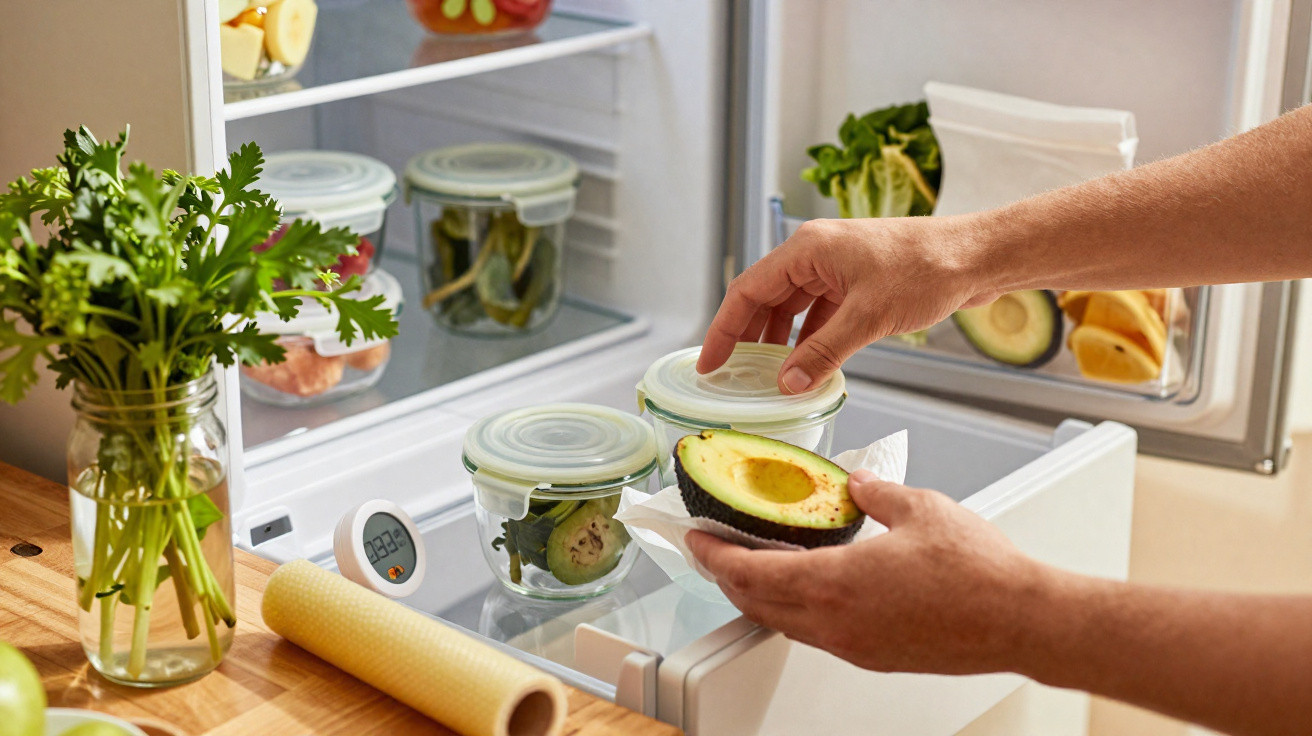
As vitamin C is sensitive to processing and storage, attention to the cold chain, packaging and length of display is particularly important. In practical terms, it is worth checking a few details before taking home pulp or a derived product:
- choose pulp kept frozen, with no signs that it has thawed
- check the label, origin and ingredients list
- avoid versions with excessive sugar if the intention is nutritional use
- consume juices and blends soon after preparation
At food markets, camu-camu is often sold in small batches, which can be beneficial. Fast turnover reduces storage time and better retains its aroma, colour and acidity. For those who find its intense flavour unfamiliar, blending it with banana, coconut water or another less acidic pulp often works better than comparing it directly with an orange.
What has research shown about vitamin C and bioactive compounds?
Interest in the fruit is not based on regional marketing alone. According to the review Camu Camu (Myrciaria dubia (Kunth) McVaugh): An Amazonian Fruit with Biofunctional Properties, published in the journal Molecules, camu-camu is described as one of the richest natural sources of vitamin C, as well as containing polyphenols and other antioxidant compounds. The study can be consulted in a scientific review of camu-camu’s biofunctional properties.
This helps explain why the Brazilian fruit has returned to the centre of discussions around functional foods. Rather than considering vitamin C in isolation, the literature also addresses the presence of flavonoids, anthocyanins and phenolic acids, components that increase its appeal to researchers, nutritionists and the food industry.
Where is camu-camu available today, and what should you check when buying it?
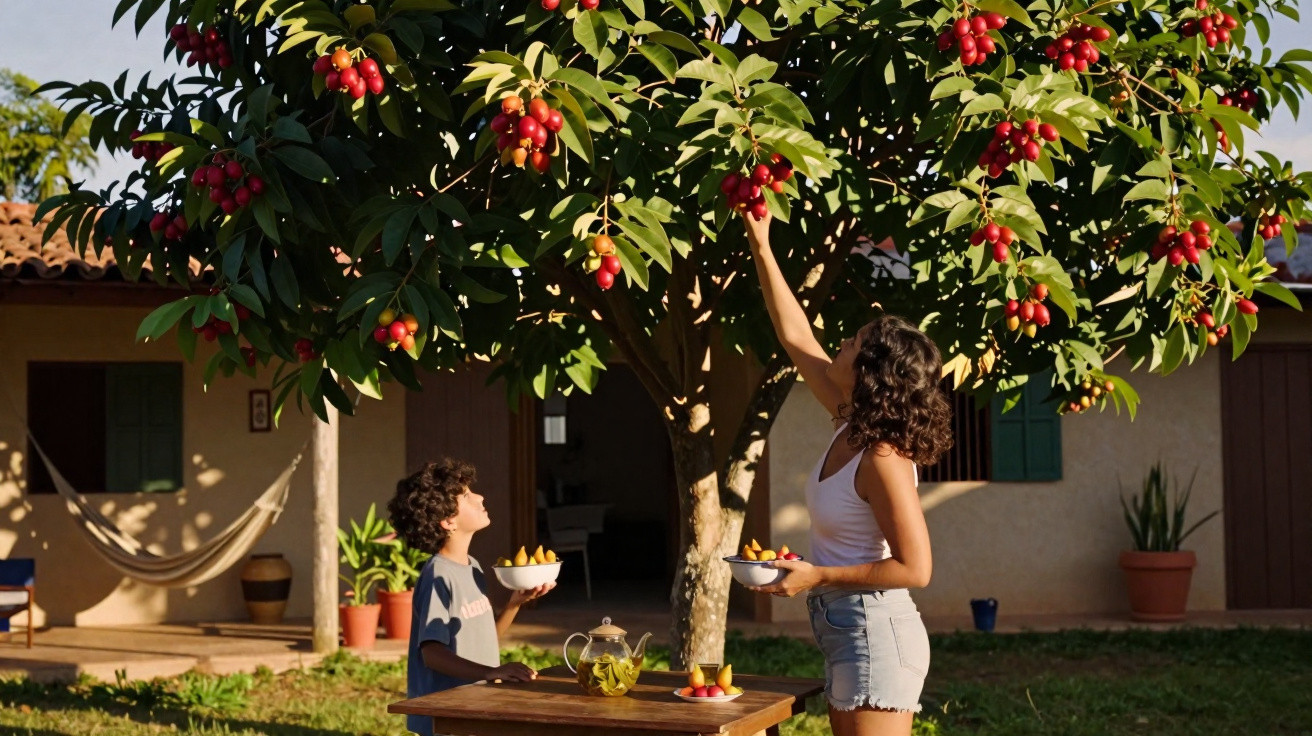
Camu-camu does not yet have the reach of the orange, but it is already available through clearly defined outlets. Consumers are more likely to find it at regional food markets, health-food shops, supermarkets with frozen sections and retailers specialising in Amazonian ingredients.
Before buying, several signs can help distinguish a promising product from empty marketing:
- clear information about origin and processing
- undamaged packaging and appropriate storage
- no artificial colouring or heavily diluted formulations
- a label that identifies the Brazilian fruit, without confusing it with flavourings
Is this return to market stalls worth paying attention to?
Yes, particularly because camu-camu combines three uncommon qualities in one product: Amazonian origin, a notable vitamin C content and versatility for use in pulp, sorbet, sauce and drinks. The orange remains dominant in everyday consumption, but this fruit’s return to food markets shows that biodiversity and nutrition can go hand in hand in food retail.
When the Brazilian fruit reappears with clear provenance, correct storage and transparent consumer information, it ceases to be a niche curiosity. It begins to claim a genuine place in the shopping basket of people who consider freshness, composition, seasonality and nutritional value before deciding what reaches the table.












Comments
No comments yet. Be the first to comment!
Leave a Comment