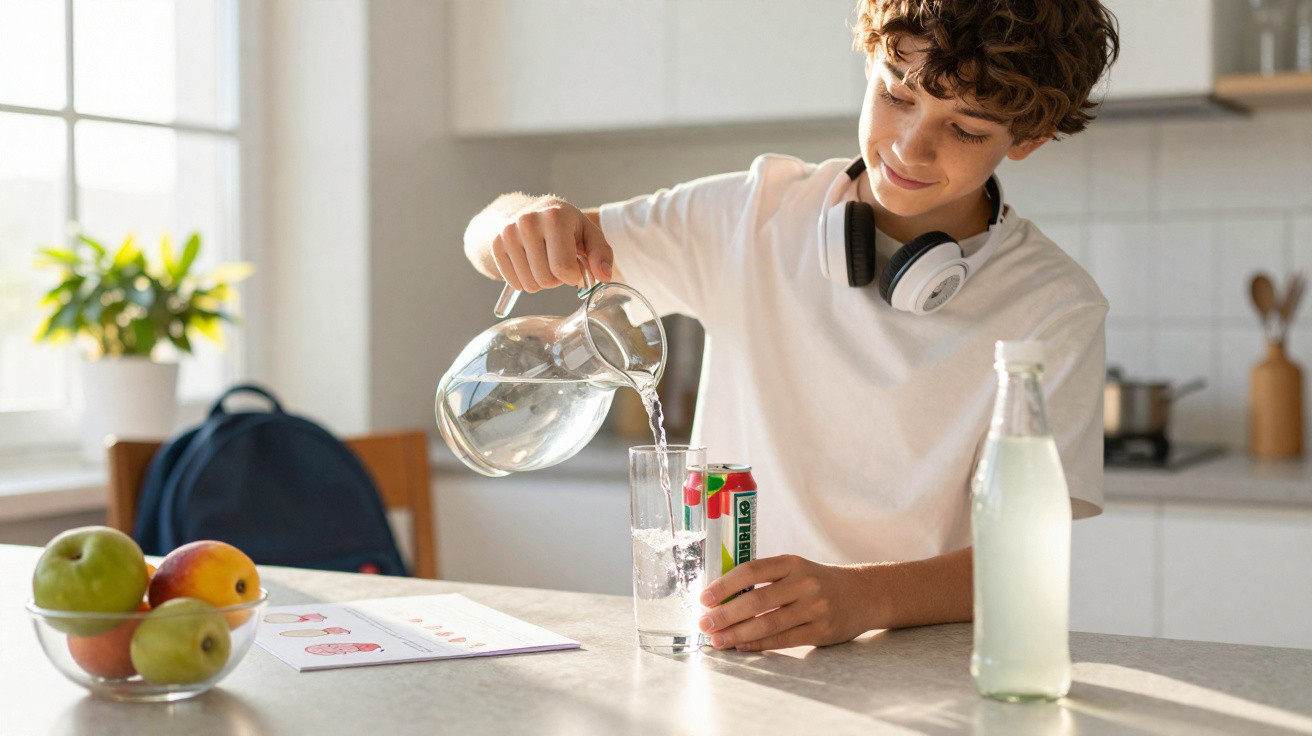
An estimated one in five teenagers experiences anxiety. It can have a major impact on social relationships, school achievement and overall well-being. More concerningly, anxiety disorders that emerge in adolescence frequently persist into adult life.
A person’s risk of developing anxiety is influenced by biological, genetic and environmental factors. However, an increasing amount of research indicates that diet may also affect mental health.
Certain foods, including fruit, vegetables and omega-3 fatty acids, have been associated with fewer anxiety symptoms.
In contrast, diets containing large amounts of free sugar have been associated with poorer mental health among adolescents. Free sugars are those added to food and drink, along with sugars naturally found in honey, syrups, and fruit and vegetable juices.
UK guidance advises that free sugars should account for no more than 5% of daily calorie intake. Adolescents generally consume more free sugar than any other age group, with this sometimes reaching 20% of their total daily energy intake – much of it from sugary drinks.
My colleagues and I have now published research indicating that drinking sugary drinks may be associated with increased anxiety levels in adolescents.
Sugary drinks and anxiety in adolescents
Our review brought together data from earlier studies examining how many sugary drinks teenagers consume and the extent to which they experience anxiety. Our research team combined findings from studies published between 2000 and 2025. Seven of the nine studies included identified a clear association between sugary drink consumption and anxiety.
The research covered young people aged ten to 19. In most cases, sugary drink intake was assessed using questionnaires. The drinks covered included fizzy drinks, colas, sweetened fruit juices, sweetened milk drinks, energy drinks, and sweetened tea or coffee.
The findings showed a significant positive association: teenagers with high sugary drink consumption had 34% higher odds of receiving an anxiety disorder diagnosis.
What the research can and cannot show
It is important to note that all of the studies included were observational. They can identify trends and associations, but cannot establish that sugary drinks cause anxiety. It is equally possible that anxiety prompts teenagers to drink more sugary drinks.
Factors including educational attainment and household income are also known to affect both mental health and sugary drink consumption.
The gut-brain axis – the network connecting the brain and gut – may also contribute to the relationship between sugary drink intake and anxiety. Yet gut health is affected by many other factors, including overall diet, stress and sleep, all of which have likewise been linked with anxiety.
Overall, our findings indicate that cutting down on sugary drinks may be a useful way to support adolescents’ mental health. Many studies have explored the effects of reducing sugary drink intake on adolescents’ physical health, but research is now needed to establish whether doing so also benefits mental health.
Reducing sugary drink intake
UK dietary guidance recommends that adolescents and adults have no more than 30 grams of sugar each day, or roughly seven teaspoons. As one can of fizzy drink may contain about 35 grams of sugar, reducing sugary drinks is an effective way to remain within this recommended limit.
There are further practical steps that can help lower sugary drink consumption. Sparkling or soda water with a slice of lemon, cucumber, berries or mint can provide natural flavour without added sugar. Water, milk and sugar-free alternatives can also replace sugary drinks.
Another approach is switching to low-calorie drinks containing artificial sweeteners, although these should still be consumed in moderation. Energy drinks may negatively affect adolescents’ sleep quality, academic performance and behaviour, so replacing them with lower-caffeine options, such as tea or coffee, is advisable.
As concerns about anxiety in teenagers continue to grow, identifying whether changes to lifestyle factors can reduce their risk of poor mental health is becoming ever more important.
Although the ways in which sugary drinks could affect anxiety are not yet fully understood, this study indicates that they may have a role.
Chloe Casey, Lecturer in Nutrition and Behaviour, Bournemouth University
This article is republished from The Conversation under a Creative Commons licence. Read the original article.

















Comments
No comments yet. Be the first to comment!
Leave a Comment