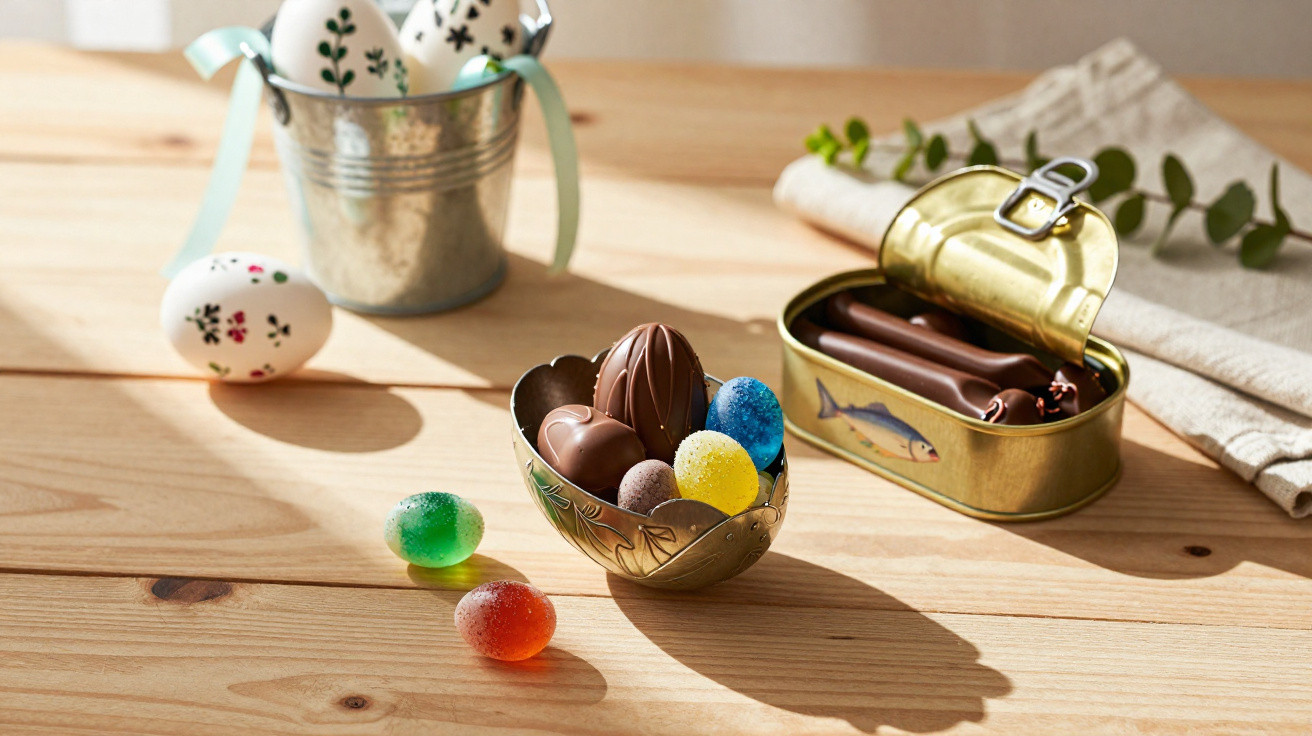
This time, there is another way to do Easter.
Rather than picking up a colourful plastic figure at the till, an increasing number of people are choosing characterful handmade chocolate. Maison Guinguet, a producer based in south-western France, specialises in precisely this kind of offering. Its five Easter creations demonstrate just how noticeable the difference between industrially made goods and genuine craftsmanship can be on the palate.
Where family heritage meets cocoa beans
Maison Guinguet started out as a small family business in the 1950s. It was not a corporation with a marketing department, but a small group of people working with regional ingredients and taking time over their chocolate. That legacy still shapes the producer today.
Its approach is straightforward: quality raw ingredients, manageable batches and plenty of manual work. Rather than reproducing anonymous standard recipes, the house pairs its chocolate with characteristic regional products, including nuts, fruit and crisp baked treats. The resulting varieties taste as though they were made especially for your own table.
Maison Guinguet deliberately relies on small batches, regional ingredients and recipes that continue to be refined through family tradition.
For Easter, that means no cheap sugar coating or glaring plastic packaging. Instead, there are nostalgic tins, playful shapes and fillings with clearly defined flavours. Five creations stand out in particular.
1. An Easter crate instead of a plastic basket: chocolate as a treasure hunt
The so-called “Easter crate” is essentially a small wooden box filled with assorted chocolate pieces and figures. Visually, it resembles a freshly gathered haul from an egg hunt in the garden. This format works particularly well for family celebrations.
- Numerous shapes and varieties in one box
- Well suited to larger gatherings where everyone can help themselves
- More relaxed and uncomplicated than conventionally packaged boxes of chocolates
On the table, the crate has much the same effect as a bowl of crisps, only far more premium and celebratory. Children pick out their favourite figures, while adults sample the different recipes. There is no need to spend ages deciding who should receive what: put the crate down and it takes care of itself.
2. “Rose and Gustave”: a collector’s item and a sweet treat in one
With its “Rose and Gustave” collection, the producer draws on nostalgic metal containers that create curiosity before they are even opened. Their appeal is not merely their premium appearance: the tins are explicitly intended to be reused after Easter, whether for decoration, storage or collecting.
Rose’s metal egg: refined and elegant
Rose’s metal egg looks more like a small design object than a confectionery item. It is aimed at anyone seeking a stylish, more grown-up Easter gift. Inside is an assortment of fine chocolates, while the exterior remains an object you will be reluctant to hide away in a cupboard.
Gustave’s metal egg: timeless with a touch of nostalgia
Gustave’s counterpart takes a more classic visual direction. Reminiscent of old tins from a traditional corner shop, it will particularly appeal to people who enjoy retro design. In terms of flavour, it also focuses on high-quality chocolate with a restrained level of sweetness.
Rose and Gustave metal bucket: a playful centrepiece
The metal bucket has a more casual feel. It makes a fitting gift for families with children or something to take along to an Easter brunch invitation. It looks decorative on the table and arrives with the chocolate already inside; afterwards, it can continue its life around the home as a pen holder, herb pot or container for odds and ends.
The “Rose and Gustave” collection demonstrates how closely packaging and enjoyment belong together when a gift is meant to make an impression.
3. “Catch of the Day”: when Easter takes a maritime turn
Anyone tired of rabbits and eggs may be drawn to the maritime “Catch of the Day” creation. In place of traditional Easter shapes, it presents a playful seaside look, filled with a mixture of dark and milk chocolate.
The effect is immediate: everyone notices it as soon as it is placed on the table. The idea works especially well in homes with children or when you want to add a more humorous touch. The flavour remains dependable, with no elaborate fillings but clear, high-quality chocolate that appeals to fans of both dark and milder chocolate.
4. Fruit jelly eggs: a break from endless cocoa
Among all the cocoa bars and figures, the palate eventually needs a change. That is exactly where Maison Guinguet’s fruit jelly eggs come in. Here, intense fruit flavour takes centre stage instead of chocolate.
- Assorted colourful fruit jellies shaped like eggs
- Pronounced, natural fruit notes
- A pleasing balance of sweetness and gentle acidity
Anyone who always picks out the fruit chocolates from a classic assortment will love this product. The eggs add lightness to an Easter plate and make the abundance of chocolate easier to pace. Paired with dark chocolate, they provide an appealing contrast: creamy and bitter on one side, fruity and lightly sharp on the other.
5. “Fish” metal tin: retro sardines made from caramel chocolate
Another product is instantly striking for its appearance: a metal tin designed to resemble a classic sardine tin. Yet instead of fish from the sea, it contains chocolate sardines made with milk chocolate, caramel and a crisp baked note, such as fine wafer pieces.
| Feature | “Fish” metal tin |
|---|---|
| Appearance | Retro-style sardine tin |
| Contents | Milk-chocolate sardines with caramel and crunch |
| Purpose | Gift, decoration and later a storage tin |
The joke lands at once: at Easter, you offer someone a “tin of sardines” that turns out to be a sweet highlight. Many people keep the packaging as a memento, using it for paper clips, tea bags or simply as a talking point in the kitchen.
When the packaging from a chocolate product ends up on a shelf rather than in the bin, the product concept has worked.
Why handmade Easter treats often stay in the mind for longer
Looking across all five creations, one point becomes clear: this is not solely about flavour, but also about small stories. A crate from which everyone shares a treat. A metal egg that later sits on a shelf. A sardine tin that no one is likely to forget quickly. Details like these make an Easter ritual feel more personal.
Industrial chocolate generally prioritises price and shelf life. Craft producers such as Maison Guinguet are more focused on experience, regional character and unusual forms. Anyone who compares them consciously will notice the difference both in their mouth and at the table. Conversation suddenly becomes less about who gets how much and more about the idea behind the product.
How to use these specialities effectively
In everyday practical terms, there is no need to cover the entire Easter table with products from a craft producer. Many people combine premium pieces with simpler staple sweets. Just a few distinctive eggs or an eye-catching metal tin can make the overall impression feel more sophisticated.
For example, households with children can finish a traditional egg hunt with a larger chocolate “treasure crate”. Adults are often more pleased by a designed metal egg or an amusing sardine tin than by yet another Easter bunny. The budget remains manageable because individual products can be chosen in controlled quantities.
There is another benefit: durable tins and crates prevent the gift from being completely forgotten after two days. Even once the chocolate has long been eaten, an everyday object remains, along with the memory of Easter spent together.

















Comments
No comments yet. Be the first to comment!
Leave a Comment