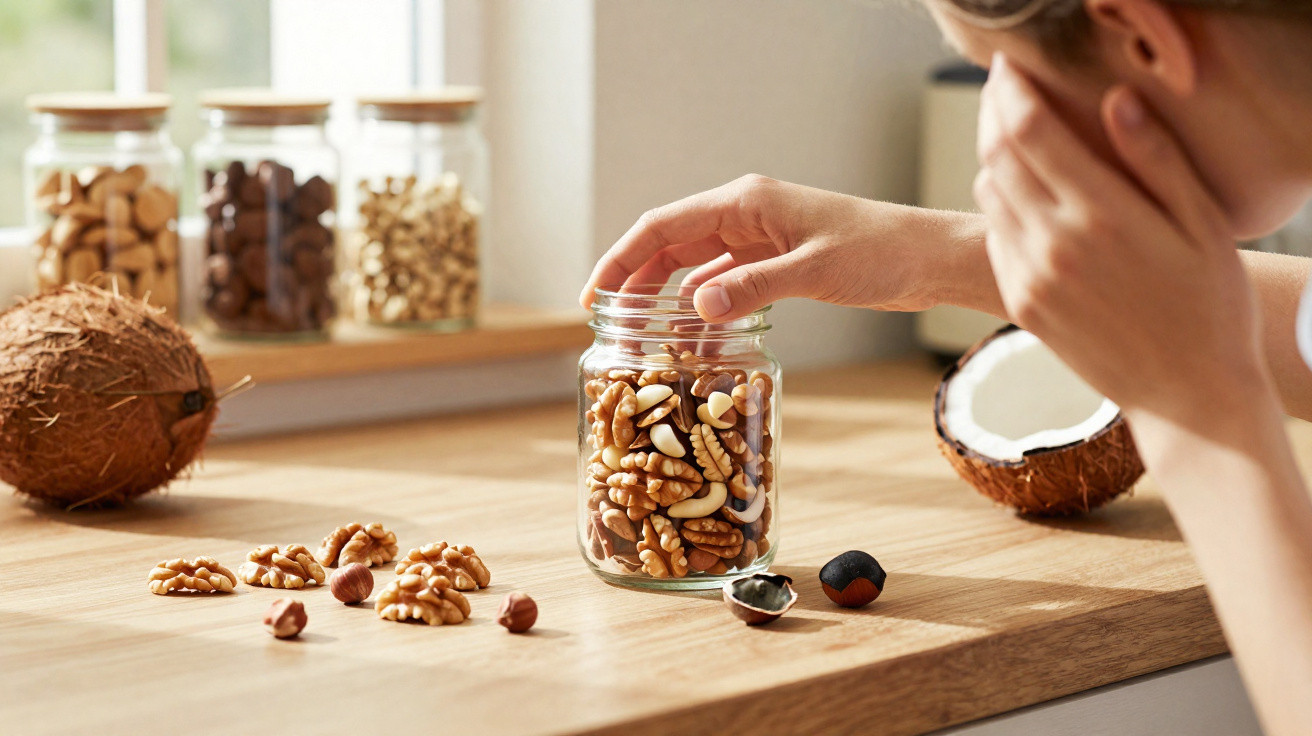
A quick shake test can reveal which nuts are still genuinely good.
Walnuts are considered a small nutritional powerhouse and are popular in muesli, salads or simply as a snack. Yet the hard shell can conceal not only nutritional benefits but, in the worst case, an invisible risk. Spending a few seconds picking up the nuts allows you to use a simple trick to quickly sort out spoiled ones and help protect your health.
How the shake test for walnuts works
This test is straightforward, free and can be done while you are still in the shop. All you need is your hand and a little attention.
- Hold a walnut between your thumb and finger.
- Give the nut a short, firm shake beside your ear.
- Listen for a distinct rattling sound from inside.
If you can clearly hear the walnut rattling inside its shell, the nut is usually old, dry or already spoiled.
Fresh walnuts fit tightly inside their shells. They barely move, if at all, when shaken, so you will generally hear nothing from inside. Dry or damaged kernels, however, become loose and audibly knock against the shell during shaking. Those are precisely the walnuts that should not go into your shopping basket.
Why rattling walnuts are a warning sign
As the kernel shrinks inside the shell, it loses moisture and pulls away from it. This occurs particularly when a walnut is old or has been stored incorrectly: too warm, too damp or in sunlight for too long. Mould can then develop easily in the gaps between the shell and kernel.
Mould is not always visible. Some walnuts appear completely normal on the outside, including the shell. Only after cracking them open might you notice a dark, grey or greenish coating, sometimes accompanied by a musty smell. If you are unlucky, there will be no smell at all, and you may eat the nut regardless.
This is exactly where the shake test helps: it identifies suspect walnuts before they even reach your kitchen. Consistently discarding rattling walnuts significantly reduces the risk.
Dangerous aflatoxins: when mould is more than unappetising
Mould on nuts is not merely a visual issue. Some species produce what are known as aflatoxins, toxins regarded as particularly critical. With regular consumption or high intake, they can damage the liver and are considered carcinogenic.
Aflatoxins are among the most potent naturally occurring toxins that can form in food – and nuts are especially susceptible.
Walnuts, peanuts and pistachios are particularly relevant here. The fungi that produce these toxins thrive especially well in warm, humid conditions. This can happen when nuts are stored badly or spend too long being transported and sold.
The uncomfortable truth is that aflatoxins themselves cannot be seen. Even when visible mould has been removed, the toxin may remain inside the nut or in its oil. A clean, attractive appearance is therefore not enough to make a nut safe. The earlier suspicious nuts are detected and thrown away, the better.
How to spot bad walnuts without a laboratory
The shake test is a useful first step, but it does not replace your own judgement. When cracking walnuts at home, inspect them consciously rather than putting them straight into your mouth without thinking.
The following signs can indicate spoiled or poor-quality walnuts:
- Smell: If a nut smells musty, rancid or like a cellar, throw it away.
- Colour: Dark, blackish-brown or greyish patches on the kernel are suspicious.
- Coating: A fluffy, spotty or blotchy coating often indicates mould.
- Taste: If the nut tastes bitter, soapy or noticeably unusual, spit it out immediately.
- Texture: Kernels that are extremely hard, stony or very crumbly are usually old.
Even one suspicious kernel is a reason to discard the entire portion, particularly if several nuts from the same packet are affected. It is not worth taking the chance on eating “just this one nut”.
Shaking coconuts: the opposite applies here
Interestingly, the same trick also works for a very different nut, but its meaning is reversed. With coconuts, a clear sloshing sound is a positive sign.
The more clearly the coconut water sloshes inside when shaken, the fresher the coconut generally is.
The liquid inside shows that the nut has not dried out yet. If you hear nothing at all when shaking it, or only a dull, heavy sound, the coconut may already be old. Its flesh is then often tough, fermented or unpleasant in flavour.
So, when you pick up a coconut in the shop, listen carefully: loud sloshing is good; complete silence is best avoided.
Proper storage: how nuts stay fresh for longer
Whether walnuts, hazelnuts or almonds, how they are stored determines how long they remain fresh. Nuts contain a high amount of fat, and fat turns rancid more quickly in warm conditions.
| Type of nut | Recommended storage | Approximate shelf life |
|---|---|---|
| Walnuts in shell | Cool, dry, airy and dark | Several months |
| Walnut kernels | Airtight, cool and dark | 4–8 weeks, longer in the fridge |
| Mixed nut kernels | Sealed, cool and away from light | A few weeks |
| Chopped nuts | Airtight in the fridge or freezer | A few weeks; several months when frozen |
Open bags of nuts should not be kept near the hob or above a radiator. A dry food cupboard is better, while lidded glass jars or tightly sealable containers are better still. If you want to be extra cautious, keep opened nut supplies in the fridge.
Which nuts are better to buy, and which to avoid
It pays to look and listen more carefully when shopping. Ideally, choose unprocessed, unsalted nuts. Sugar-coated or heavily seasoned varieties often taste more intense, but can occasionally disguise a slightly rancid underlying flavour.
Useful points to consider when buying nuts:
- Choose nuts in their shells if you plan to store them for longer.
- Pick smaller packs that you will use promptly.
- Avoid bags with visible breakage, crumbs or grease marks.
- Check the best-before date, but still rely on your sense of smell and taste.
Ideally, nuts should have been stored in a cool place, such as a chilled section or a shaded area of shelving. If they are displayed in direct sunlight in a shop window, caution is sensible.
Why nuts still belong in your diet
Despite all these warnings, reaching for a bag of nuts is worthwhile. Nuts provide valuable unsaturated fats, plant protein, fibre, vitamin E and important minerals such as magnesium and zinc. Regular, moderate consumption can support the heart and blood vessels and helps many people feel full between meals.
Walnuts in particular provide plenty of omega-3 fatty acids. They work well in breakfast muesli, with plain yoghurt, in salads or sprinkled over roasted vegetables. When eaten fresh, stored properly and checked carefully, their nutrients offer clear benefits.
Practical tip: how to test your supply at home
If you already have a larger quantity of walnuts in the cupboard, you can easily carry out the shake test at home. Take a handful of nuts, briefly shake each one beside your ear and set aside any that stand out. Then crack a few of the unremarkable nuts open to check them. If they smell and taste normal, there is little reason not to continue eating them.
There is no need for lengthy debate about the rattling nuts you have sorted out. Even if some kernels still look fine, assessing them one by one takes time and the risk remains. In many households, the safest place for these leftovers is the food waste bin.
Making this small check part of your routine takes very little effort, reduces the chance of unknowingly eating mouldy or rancid nuts, and lets you enjoy your snack much more comfortably afterwards.

















Comments
No comments yet. Be the first to comment!
Leave a Comment