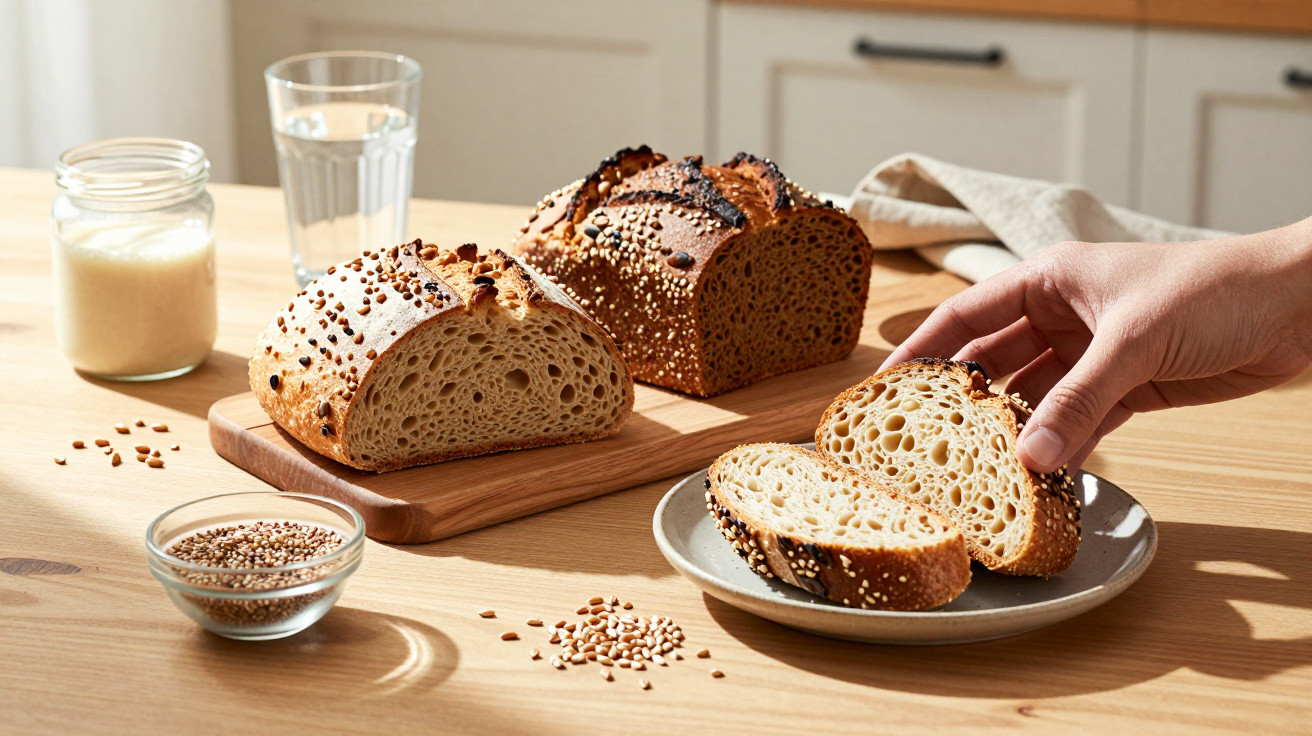
Wholegrain bread or rye bread: both can appear to be healthy choices on supermarket shelves. Nutrition professionals, however, look more closely at fibre, effects on blood sugar, fullness and even hidden salt. Two dietitians explain where each type of bread has the advantage and what shoppers should pay close attention to.
Why one bread is not the same as another
In German-speaking countries, bread is an almost automatic part of breakfast and supper. Ever since the traditional white-flour bread roll came to be seen as an “empty calorie”, wholegrain and rye varieties have moved into the spotlight. They are regarded as hearty, filling and “better for the figure” – but marketing often obscures the finer points.
Nutrition experts stress that the wording on the label matters less than the combination of grain type, processing method and ingredient list. Terms such as “wholegrain” or “rustic” in particular can conceal tricks used by the baking industry.
“The health benefit depends less on the type of bread than on the quality of the flour and the genuine wholegrain content.”
Wholegrain bread: more than simply “dark bread”
Wholegrain flour uses the entire grain: the outer layer (bran), germ and endosperm. This means the finished bread contains substantially more nutrients than bread made with refined white flour.
What wholegrain bread provides in practical terms
- Fibre: supports digestion and keeps you feeling full for longer.
- B vitamins: important for energy metabolism and the nervous system.
- Magnesium: helps support muscles and metabolism.
- Zinc: supports the immune system and skin.
Studies indicate that bread made with wholegrain flour can contain up to two thirds more minerals than bread produced from refined flour. In people with diabetes, eating wholegrain bread every day has been associated with steadier blood sugar control.
Fullness is another important factor: thanks to the combination of fibre and the dough’s structure, wholegrain bread remains in the stomach for longer, making cravings less frequent. People who regularly choose genuine wholegrain bread generally feel less inclined to snack between meals.
Rye bread: a specialist for the gut and blood sugar
In Germany, rye is traditionally used for mixed-grain and sourdough breads. Compared with wheat, it usually has a denser crumb and a stronger, slightly sour flavour – while its effect on the body is noticeably different too.
Rye’s distinctive components
Rye provides plenty of particular plant compounds and fibre that become active in the gut. Especially noteworthy are:
- Lignans:

















Comments
No comments yet. Be the first to comment!
Leave a Comment