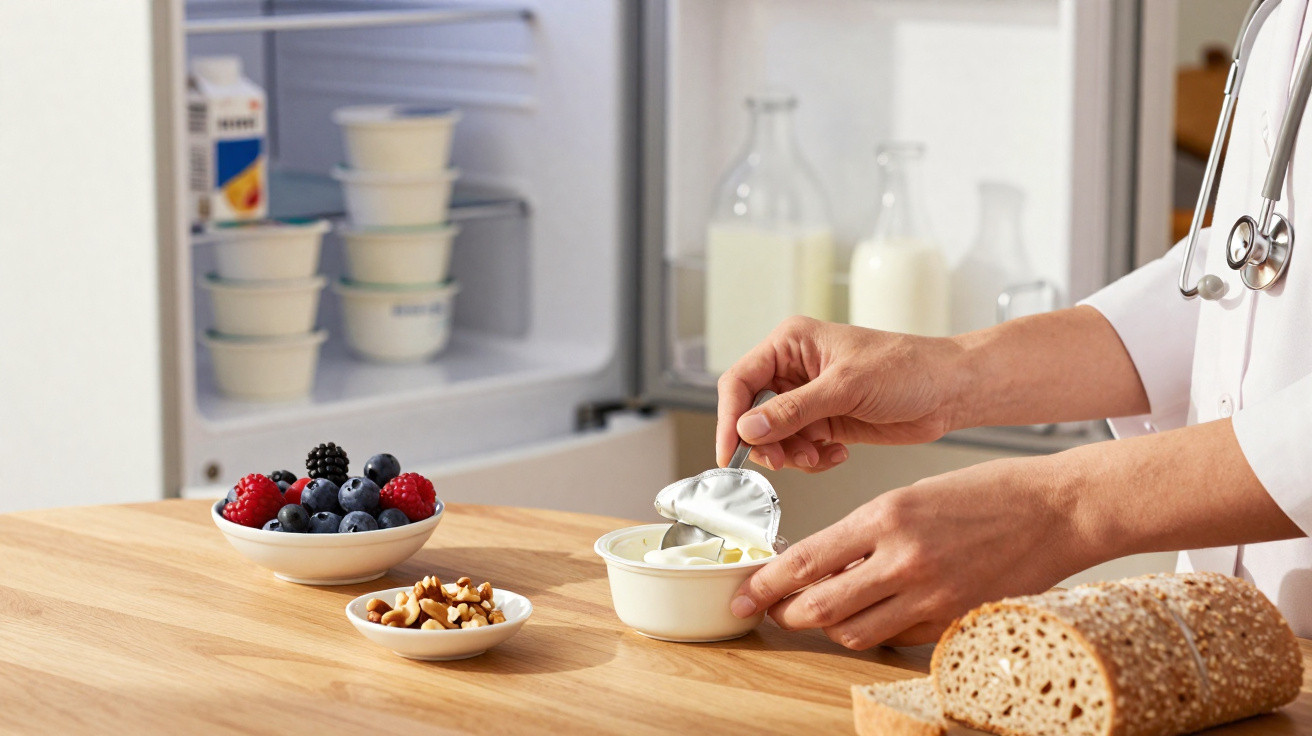
In everyday life, two priorities often clash: shopping as cheaply as possible while still eating reasonably healthily. Dairy products high in protein are seen as useful, yet they can be surprisingly expensive on supermarket shelves. A nutrition specialist therefore took a close look at the discount retailer range – and singled out a Lidl product costing less than €1.50 per pack that offers considerably more nutritionally than its plain packaging suggests.
What the doctor values about this Lidl product
Paris-based nutrition specialist Arnaud Cocaul examined a selection of low-cost foods for an interview. Among all the options, one product stood out to him in particular: small Envia fresh cheese pots from Lidl’s own brand, resembling classic “Petit-Suisse” pots and sold in the chilled dessert section.
An inexpensive fresh cheese product from a discount retailer is receiving surprisingly positive feedback from specialists – above all because of its protein content and straightforward ingredient list.
The doctor is persuaded by the fact that the product does not rely on elaborate marketing, while still providing sound nutritional values. At around €1.40 per pack, the pots deliver a similar amount of protein per spoonful to far more expensive trendy products.
Nutritionists are also increasingly mentioning these small fresh cheese pots when discussing affordable everyday protein sources. They are regarded in the sector as a typical “budget hack”: no unnecessary extras, but sensibly put together.
Protein levels almost on a par with Skyr – at discount retailer prices
Anyone familiar with Skyr will know that this Icelandic fresh cheese is considered a protein powerhouse, but it is not exactly found in the bargain aisle. Lidl’s fresh cheese pots come close to that nutritional profile without putting quite as much pressure on the wallet.
The key nutritional values compared:
| Product | Protein per 100 g | Energy per 100 g | Price level |
|---|---|---|---|
| Envia fresh cheese pots (Lidl) | approx. 9 g | approx. 85 kcal | approx. €1.40 per pack |
| Skyr (branded product) | approx. 11 g | similar range | considerably higher, depending on the brand |
Together, two small pots provide just under 11 grams of protein. For an adult aiming for roughly 50 grams of protein a day, that represents around one fifth of the daily requirement in one quick, easy-to-eat portion.
The calorie count also remains modest. At approximately 85 kilocalories per 100 grams, the pots work well as a snack that genuinely fills you up rather than merely “settling a sweet craving” for a short time.
Short ingredient list and different fat levels
Another advantage of the fresh cheese pots is their relatively simple ingredient list. The basic version mainly contains three components:
- milk;
- lactic cultures (ferments);
- where applicable, a common preservative such as calcium sorbate.
Some varieties use milk of French origin, as stated on the packaging. For many consumers, this at least provides a small indication of traceable supply chains.
The range comes in two main options:
- 0% fat: very low in fat, offering protein with few calories.
- Approx. 20% fat in dry matter: creamier, richer and slightly higher in energy, but often more filling.
The plain varieties have no added sugar. Flavoured options contain more sugar and are therefore more like a conventional dessert. Anyone watching their sugar intake is better off choosing the natural version and, if desired, sweetening it with a little fruit.
How to include the fresh cheese pots in everyday meals
The main benefit of this product is that it can fit almost anywhere: in the morning, during the afternoon or as part of a light evening meal. A few simple ideas show just how versatile the pots can be day to day.
A protein-rich start to the morning
Many people eat breakfasts made up mainly of bread rolls, jam and sweet spreads – plenty of carbohydrates but little protein. Adding two fresh cheese pots to breakfast brings noticeably more protein to the plate:
- mix two pots with porridge oats, chopped nuts and berries;
- finish with a little cinnamon or vanilla;
- lightly sweeten with a spoonful of honey or maple syrup, if preferred.
The result is creamy, satisfying and ready within minutes – including for people with little time in the morning.
A snack instead of the biscuit tin
Parents of children and teenagers often reach for biscuits or bars. Fresh cheese pots offer an alternative containing less sugar and more protein.
A practical example is a pot of fresh cheese with an apple after school. The fruit sugar from the apple combines with the protein in the dairy product, and the desire for something sweet often stays away longer than it does after a handful of biscuits.
A savoury option for the evening meal
Anyone who assumes fresh cheese pots can only be used in sweet dishes is missing half their potential. The plain version is particularly suitable for savoury recipes:
- mix it with fresh herbs, a little salt, pepper and a squeeze of lemon juice;
- use it as a sandwich spread or serve it as a dip with vegetable sticks;
- add garlic and paprika to create a lighter alternative to feta cream or mayonnaise.
A simple dessert pot can quickly become a protein-rich spread or dip for the evening meal.
Who the Lidl product is particularly suitable for
Not every dietary situation is the same. That is why it is worth considering who may benefit most from this affordable fresh cheese product – and who should take more care.
- People on a tight budget: Anyone who needs to calculate food costs carefully gets one of the few affordable protein sources that remains inexpensive even without a special offer.
- Busy workers with little time: The pot fits into any office kitchen and any bag. Just add a spoon and it is ready to eat.
- Active people: It is a suitable small protein portion after exercise when no shake or quark is available.
- Children and teenagers: Depending on the variety, it contains more protein and usually less sugar than many ready-made desserts.
One important point for everyone: like conventional dairy products, fresh cheese contains lactose. People with severe lactose intolerance should test it cautiously or choose lactose-free alternatives straight away.
How much protein does the body really need?
When products like these are discussed, one question often comes up: do I really need that much protein? For healthy adults, a rough guideline is 0.8 grams of protein per kilogram of body weight per day. A person weighing 70 kg would therefore need around 56 grams a day.
Those who exercise a great deal, want to build muscle or are getting older may set their intake somewhat higher. Older people in particular benefit from meeting their protein needs well, as this can help preserve muscle. Affordable, practical sources such as Lidl fresh cheese can play a helpful role here.
What else to consider when shopping
The hype around individual foods can easily encourage people to rely on just one product. Fresh cheese pots are useful, but they do not replace a balanced diet. Anyone including them in their meals can also follow a few simple rules:
- do not fill every meal with dairy products;
- regularly include plant-based protein sources such as lentils, chickpeas or tofu;
- always check the sugar content of flavoured varieties;
- keep an eye on total fat intake for the day, especially if the full-fat version is in the fridge.
At a time of continuing price rises, many households are looking for products that balance cost and nutritional value. Lidl’s unassuming fresh cheese pots show that such a compromise is possible: they cost little, provide a decent amount of protein, contain a manageable list of ingredients and can be incorporated flexibly into almost any meal.











Comments
No comments yet. Be the first to comment!
Leave a Comment