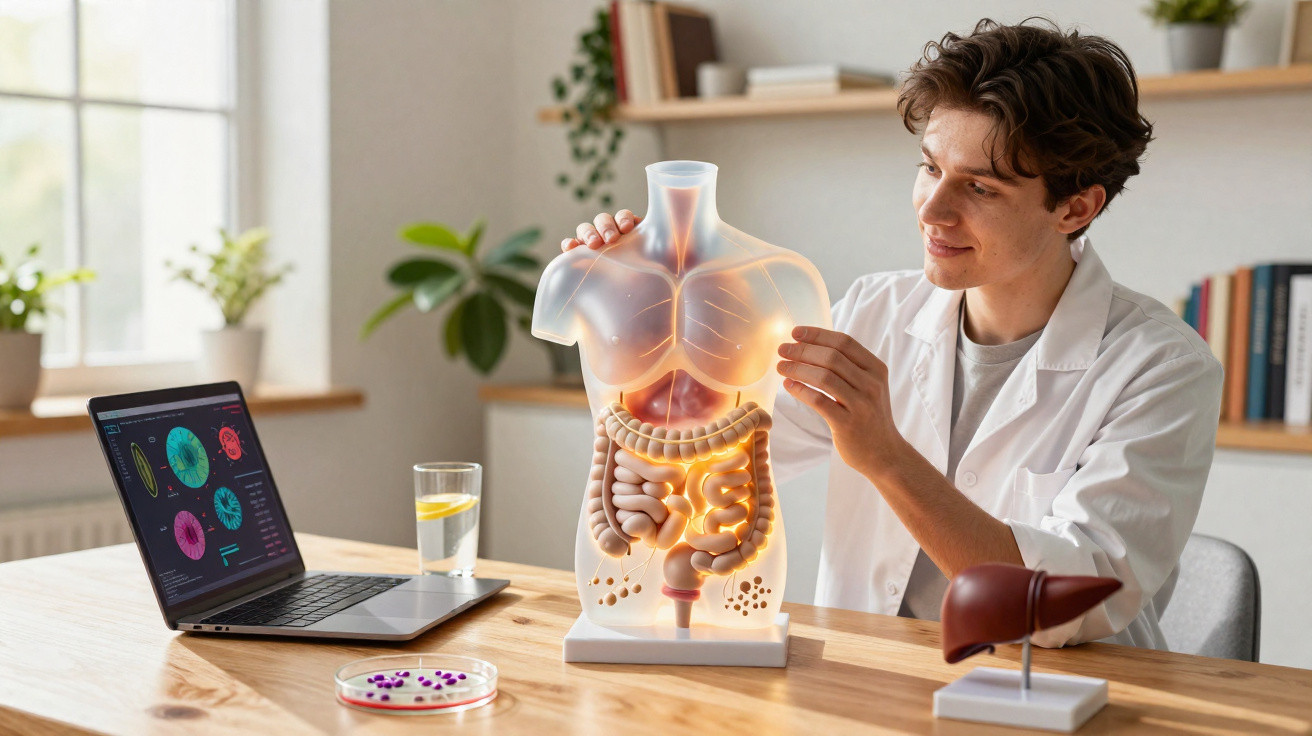
A recent study has attracted attention after researchers showed that certain microbes in the gut can effectively ‘reprogramme’ body fat - provided the animals consume extremely little protein. In mice, this unexpected combination triggered a metabolic boost that converted fat into an active, heat-generating form. In the longer term, the approach could lead to new medicines for obesity.
How gut bacteria reprogramme fat cells
The research began with a straightforward observation: mice fed a very low-protein diet gained less weight and developed altered fat tissue. In the groin area, researchers found fat cells producing proteins associated with heat generation - normally a hallmark of cold exposure.
The usually sluggish white fat started behaving like ‘beige’ fat - an intermediate form that burns energy and produces heat.
The findings became more compelling when the team, led by immunologist Kenya Honda, repeated the experiments in mice with no gut microbes. These germ-free animals received the same low-protein food, but their fat did not undergo the transformation. The effect returned only after the researchers deliberately introduced bacteria.
This made clear that the diet alone did not induce fat-burning mode. Instead, it depended on the interaction between the nutritional composition and specific microbes. The bacteria appear to translate protein deficiency into chemical signals that act throughout the body.
Two signalling pathways: bile and a hormone from the liver
The team identified two key messages originating from the gut microbes:
- Changes in bile acids, which not only assist digestion but also act as signalling molecules on cells.
- Activation of the hormone FGF21 in the liver, which regulates metabolism during periods of energy shortage.
One set of signals targeted precursor cells in fat tissue. Altered bile acids increased the likelihood that these cells would mature into ‘beige’ fat rather than conventional white fat. At the same time, the liver released more FGF21 into the bloodstream. This hormone is regarded as a type of emergency regulator, adjusting the body towards economical yet flexible energy use.
Together, the two pathways caused fat cells to switch from ‘storage’ to ‘burning’ - when either route was blocked, the effect largely collapsed.
Four bacterial strains as the key team
To define the mechanism more precisely, the researchers tested numerous combinations of bacteria. Ultimately, four strains isolated from humans remained; together, these produced the strongest fat reprogramming.
Notably, a small group of 25 healthy participants provided indications that around 40 per cent already had active beige fat. Faecal transplants from particularly favourable human donors into mice significantly strengthened the browning effect. By contrast, donors with weaker beige-fat activity produced almost no effect in the mice.
When researchers removed just one of the four crucial bacterial strains in the laboratory, the result declined sharply. The conversion of fat therefore depended on a remarkably small microbial team.
Why the liver has a central role
The protein shortage did not remain confined to the gut. The bacteria produced increased amounts of ammonia, which travelled directly to the liver through the portal vein. There, ammonia stimulated FGF21 production, while bile acids were changing in parallel.
When the researchers removed a key enzyme that enables ammonia production from the bacteria, the liver’s FGF21 response diminished. As a result, the programme for ‘browning’ fat also stalled.
Mini-livers made from human cells responded similarly in the laboratory - indicating that this signalling pathway may not exist only in mice.
How quickly fat actually changes
In the mouse experiments, the new beige fat appeared after roughly two weeks. Its proportion continued to rise over the weeks that followed. Gene analyses showed that the same heat-producing genes became active as those normally switched on by cold stimuli.
Once the diet returned to normal protein levels, the effect noticeably weakened. The fat was therefore not a permanent calorie burner, instead partly returning to a more passive state. Age, sex and the precise location of the fat also mattered. Not every fat depot responded with the same intensity.
Nerves as amplifiers in fat tissue
The researchers also examined the network of nerves within fat tissue. This is where the bile-acid signals and the hormone FGF21 converge again. Together, they encouraged denser growth of sympathetic nerve fibres - the pathways that drive the body to burn calories.
When these signals were absent, the network became thinner and the fat-browning effect weakened. Importantly, a medicine that directly activated this nerve pathway could partly replace the missing microbial signature. This suggests that microbes do not replace the system itself, but regulate its intensity.
Measurable benefits for metabolism and health
For the mice, the remodelling of fat had tangible consequences. Animals on the low-protein plan gained less weight, accumulated less fat and regulated their blood sugar more effectively than control animals.
Adding the four key microbes led to further improvements in several blood values:
- Cholesterol fell
- Triglycerides, or blood fats, decreased
- A marker of liver damage was reduced
Lean body mass and muscle mass remained largely preserved. This argues against the animals simply slipping into a form of malnutrition.
Limits of using the approach in humans
The diet used was extreme: only around 7 per cent of calories came from protein - approximately 60 per cent less than in the control group. For people, such a diet would be risky over the long term and difficult to maintain.
In addition, many attempts to influence metabolism with probiotics have shown little effect in human studies. Every gut contains its own highly complex microbiome, and what works in a laboratory mouse cannot simply be transferred to people.
Honda stresses that fat tissue remains remarkably adaptable, even in adulthood. At the same time, experts warn against drawing premature dietary trends from the findings. Bodies, dietary habits and microbiomes differ enormously between individuals.
Research focus: medicines rather than a crash diet
For precisely this reason, researchers place less hope in radical protein reduction and more in compounds that mimic microbial signals. The study maps a signalling pathway connecting the following stages:
- Gut bacteria and their metabolic products
- Liver hormones such as FGF21
- Immature fat cells that can become beige fat
- Nerve growth within fat tissue
This brings new potential targets for medicines closer, allowing fat-cell burning to be stimulated in a targeted way. Given the part obesity plays in diabetes, cardiovascular disease and numerous cancers, another tool in the obesity toolkit would be highly welcome.
What this means for our understanding of fat
The study clearly shows that gut bacteria do not merely accompany metabolism: they help determine whether energy is stored or burned. Fat tissue consequently appears less like a static store and more like a flexible organ that continually processes signals from the gut, liver and nervous system.
In practical terms, this does not yet mean that a particular probiotic or specialised protein diet should become the next diet craze. A more likely route is gradual: first, more precise maps of the bacteria and signalling pathways involved; then targeted compounds that enhance or inhibit individual steps.
For non-specialists, one main lesson is worth noting: gut health, liver function and fat metabolism are more closely linked than many have assumed. Anyone wishing to influence these factors now should stick to the established basics - a balanced diet, exercise and little alcohol - because these factors affect the gut microbiota, liver and fat tissue at the same time.

















Comments
No comments yet. Be the first to comment!
Leave a Comment