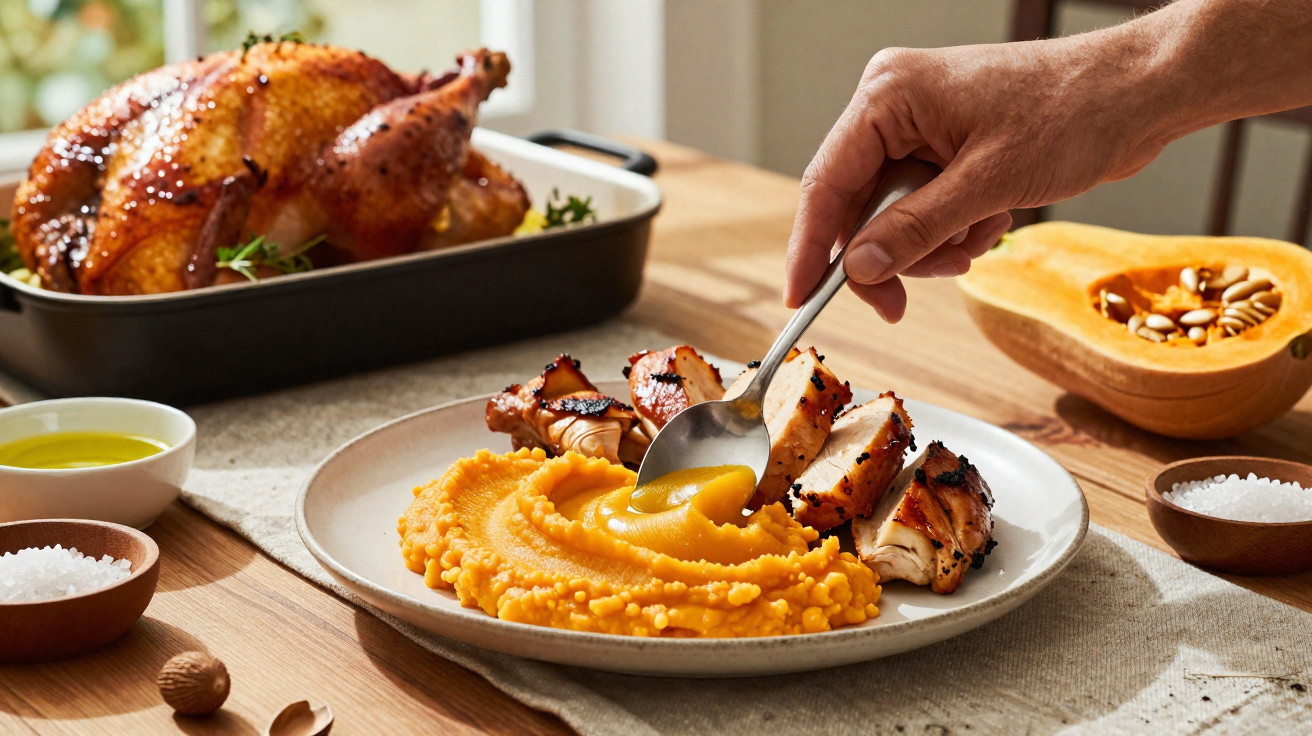
The festive table keeps becoming more substantial, even as our appetite for lighter dishes quietly increases.
One smart substitution can transform the meal.
Classic roast turkey, indulgent gravy and celebratory trimmings are here to stay, but increasing numbers of hosts want side dishes that remain comforting without causing a post-meal slump. A straightforward change to the mash delivers that compromise, while still feeling familiar to even the most traditional diners.
A lighter twist on the holiday mash
Mashed potatoes have traditionally dominated the festive plate. Affordable, reassuring and easy to enrich with cream, butter or cheese, they are also fairly substantial-particularly when the rest of the menu already features rich meat and sweet desserts.
Across Europe and North America, cooks mindful of nutrition are increasingly placing a different mash at the heart of the meal: butternut squash. Usually roasted or blended into soup during autumn, this seasonal vegetable can become a smooth purée that lowers the calorie count while retaining that essential “comfort food” quality.
Butternut squash brings roughly half the calories of classic mashed potatoes for the same weight, with a naturally sweet, nutty flavor.
It is therefore an attractive accompaniment to poultry, whether Thanksgiving turkey or a Sunday roast chicken. Its sweetness complements the bird’s roasted flavours, while its yielding texture recalls traditional mash.
From French chef’s tip to home-kitchen trend
Much of the current enthusiasm for butternut mash stems from chefs who began serving it as a lighter counterpart to rich festive centrepieces. One French chef’s method has spread widely: swap out most of the potatoes for butternut, use an uncomplicated technique, and choose vegetable stock instead of cream.
The principle is simple. Squash provides the main volume of the dish, reducing its overall energy content. A small amount of potato is still cooked with it, helping to bind the purée and preserve a recognisable mouthfeel. The finished dish falls between a vegetable accompaniment and conventional mash, making it less daunting for guests suspicious of “healthy” alternatives.
The goal is not a diet dish, but a plate that feels festive while letting guests reach dessert without regret or discomfort.
How the calories really compare
For many people, the word “lighter” lacks precision. The figures offer a more useful comparison.
| Ingredient | Approx. calories per 100 g (cooked) | Main nutritional features |
|---|---|---|
| Potato, boiled | ≈ 80 kcal | More starch, modest fibre, good potassium |
| Butternut squash, cooked | ≈ 45 kcal | Less starch, more beta-carotene, decent fibre |
For a generous 200 g portion, replacing potato with butternut can remove around 70 calories, before even accounting for the butter and cream commonly mixed into potatoes. The saving becomes greater when food is served family-style in large dishes, encouraging diners to help themselves again.
That reduction can be significant for anyone managing blood sugar or monitoring total energy intake over a multi-course meal. It leaves slightly more scope for gravy, stuffing or pudding without taking the overall meal into uncomfortable territory.
The basic method: butternut mash for roast poultry
The method is manageable even for those who prepare a roast turkey only once annually. Apart from a saucepan, all that is required is a masher or hand blender.
Key steps for a smooth, aromatic purée
- Peel and dice a butternut squash, then discard the seeds.
- Thinly slice one onion to add depth of flavour.
- Cut a small potato into cubes to thicken the finished mash.
- Sauté the onion and squash gently in olive oil until they begin to soften.
- Add the potato and pour in enough vegetable stock to just cover the vegetables.
- Cover and simmer for 15–20 minutes, until all the vegetables break down easily.
- Mash or blend until the texture suits your preference.
- Add salt, freshly grated nutmeg or a mild spice blend to season.
This method avoids heavy cream and excessive amounts of butter. Starch from the small potato, combined with the naturally velvety consistency of cooked butternut, creates a smooth, spoonable mash with delicate sweetness.
Seasoning shapes the character of the dish: nutmeg leans classic French, while a pinch of allspice or smoked paprika gives a more modern angle.
Why it flatters turkey, chicken and even duck
Butternut develops a restrained chestnut-like flavour, particularly when it is cooked slowly. This suits poultry’s roasted, lightly caramelised skin and reflects the flavours found in many classic stuffings, including chestnuts, apples and dried fruit.
On the plate, the tender orange purée creates a vivid foundation for carved turkey breast or leg meat. Its mild sweetness softens the saltiness of gravy or bacon-wrapped accompaniments. While plain potato can dull the flavours around it, squash subtly brings out autumnal notes.
The mash also works well with roast carrots, Brussels sprouts and parsnips. For vegetarian or flexitarian diners, a sizeable spoonful can form the basis of a plate alongside a mushroom roast or stuffed squash halves.
Nutrition gains beyond simple calorie cutting
Replacing a potato-led mash with one based mainly on butternut changes more than its calorie total. It also alters the nutrient profile in ways that many dietitians value after a long, rich meal.
Butternut squash is high in beta-carotene, the pigment responsible for its intense orange colour. The body can convert beta-carotene into vitamin A, which contributes to vision and immune function. The squash also supplies potassium and some vitamin C, nutrients that can be overlooked during meat-heavy feasts.
As the mash uses stock and olive oil instead of cream, it reduces saturated fat while maintaining its texture. For those with cardiovascular risk factors, small changes of this sort during substantial seasonal meals may help keep annual averages within a safer range.
Adapting the recipe to different kitchens
No butternut? Other squashes work too
Availability of butternut squash differs by region. It is abundant in some US states, whereas other varieties are more common in parts of the UK and urban Europe. The same method can be used with several substitutes:
- Kabocha squash offers an even more luxurious texture and a chestnut-like flavour.
- Delicata squash cooks more quickly and adds a honeyed note.
- Pumpkin is suitable too, although it often requires less stock to prevent the mash becoming watery.
Cooks at home can alter the proportion of potato as well. Anyone hesitant to change a tradition can begin with equal amounts of potato and squash. Across several festive seasons, some households shift towards mostly squash as their palates adjust.
Turning it into a make-ahead side
Festive hosts frequently contend with limited oven space and guests demanding their attention. This mash is well suited to preparing in advance: cook and purée it earlier that day, then warm it gently with a splash of stock before serving.
Since it contains less fat than many cream-rich mashes, it usually reheats without splitting. A final drizzle of olive oil or a small knob of butter gives the top a glossy finish and restores its shine.
Beyond the holidays: everyday uses and variations
Once cooks grow accustomed to squash-based mash, it seldom remains a December-only dish. It fits easily into weekday meals as an alternative to rice or pasta, particularly beside grilled chicken or pan-fried fish.
Parents often discover that children are more willing to eat bright orange mash than plain steamed vegetables. The sweet flavour and soft consistency seem familiar, and the colour can help when vegetables are contentious at the table.
The same foundation can take on different flavour directions. A spoonful of miso paste gives it a Japanese comfort-food character. Cumin and coriander seeds lend a North African influence. At brunch, serve the mash beneath poached eggs and scatter a few roasted seeds over the top for crunch.
For readers thinking about wider changes to their eating habits, this side dish provides a modest, practical trial. It demonstrates that replacing one component of a meal can alter both flavour and nutritional balance, without relying on strict rules or inflexible plans. As festive periods continue to extend and rich meals occur more often, these workable adjustments may prove more meaningful than ambitious resolutions made in January.














Comments
No comments yet. Be the first to comment!
Leave a Comment