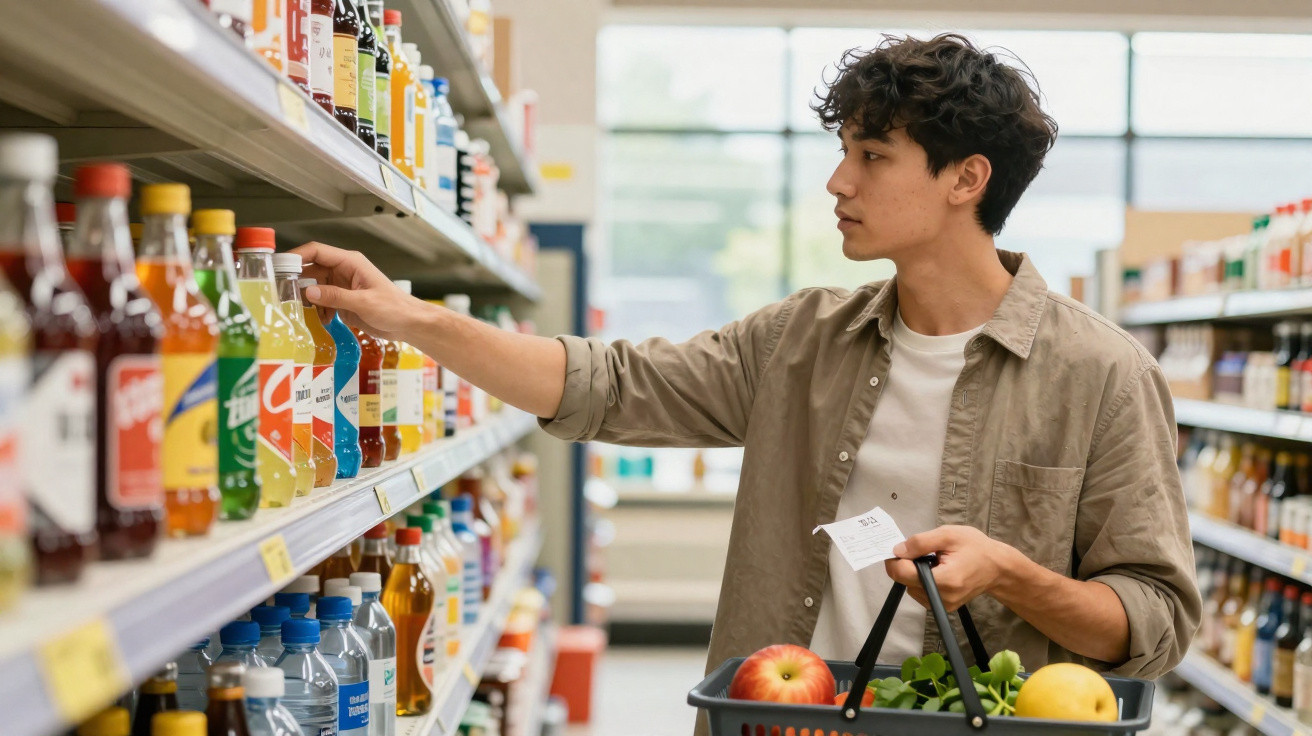
The World Health Organization has warned of a looming, largely unnoticed rise in costs: sugary drinks and alcohol are cheaper than ever in many countries, even as illnesses linked to their consumption increase sharply. The organisation is now calling on governments to introduce far more robust health taxes - not at some unspecified point in the future, but according to a clear timetable running to 2035.
Why the WHO wants higher taxes on sugary drinks and alcohol
The WHO's case is clear: the cheaper alcohol and sugary drinks become, the more regularly people buy them - with consequences for health, society and public finances.
According to the organisation, low prices are closely linked to:
- rising obesity
- more cases of diabetes
- cardiovascular disease
- certain forms of cancer
- accidents and violent crime
- addiction problems
“The WHO describes these as products that damage health yet remain so cheap that they impose enormous long-term costs on health services and public budgets.”
Health systems, particularly in lower-income countries, are consequently coming under growing strain. Treating resulting illnesses consumes billions. At the same time, manufacturers and retailers benefit from steady - or even growing - demand for inexpensive high-risk products.
Cheap alcohol and cheap fizzy drinks: how current taxes fall short
In its latest reports, the WHO examined alcohol and sugary-drink tax systems around the world. Its findings are sobering.
Alcohol: plenty of taxes, limited impact
At least 167 countries do levy taxes on alcohol. In reality, however, these charges are often too low or poorly designed. From 2022 to 2024, beer became cheaper in real terms in 56 countries, while it became more expensive in only 37 countries.
The WHO sets out the following benchmark figures:
- Median tax burden on beer from excise duties: around 14 percent
- Median tax burden on spirits: around 22.5 percent
- Wine is entirely exempt from such taxes in at least 25 countries
The organisation proposes extending excise duties to every alcoholic drink, including wine, which is still often spared for cultural or economic reasons.
Sugary drinks: taxed, but barely discouraged
Sugary drinks show a comparable pattern. At least 116 countries now impose levies, usually on standard soft drinks. Yet the effect is frequently limited.
“On average, the tax on a typical soft drink accounts for only around two percent of its retail price - far too little to seriously alter purchasing behaviour.”
There is a further issue: many other products with high sugar content avoid the tax altogether:
- fruit juices containing 100 percent fruit but with high sugar levels
- sweetened milk drinks
- ready-to-drink chilled coffees and teas
- energy drinks when they fall into particular product categories
Only a small number of countries adjust these taxes regularly in line with inflation and income growth. Where rates remain unchanged for years, the products become increasingly affordable compared with other goods. This is precisely what the WHO is currently seeing in many regions.
The “3 by 35” strategy: what should happen by 2035
The WHO has tied its demands to a global initiative known internally as “3 by 35”. Its objective is specific: tobacco, alcohol and sugary drinks should become substantially more expensive in real terms, and therefore less appealing, by 2035.
The organisation identifies three main levers:
- Raise tax rates: Introduce significantly higher excise duties on alcohol and sugary drinks, rather than merely symbolic increases.
- Broaden the tax base: Cover all relevant products, including wine, fruit juices and high-sugar mixed drinks.
- Index taxes: Automatically adjust rates for inflation and income growth so that products do not gradually become cheaper.
The reasoning is that higher prices produce lower consumption. This has been well established through tobacco policy. Such levies also bring additional billions into public coffers, which can fund health programmes, prevention and treatment.
Who pays - and who benefits from higher prices?
Higher taxes on alcohol and sugary drinks initially affect consumers, especially lower-income households, which devote a larger share of their budgets to these products. Critics often describe them as “penalty taxes on the poor”.
The WHO takes a different view. It argues that health damage is especially severe among poorer groups. Lower consumption would mean more years spent in good health for those populations. If the extra tax revenue is directed specifically towards nurseries, schools, health centres and local prevention programmes, the policy could even offset social inequalities.
“In the WHO's view, this is a classic win-win situation: fewer cases of illness, lower costs for hospitals and, in the long term, more productive societies - funded by charges on risky consumer goods.”
Industry representatives unsurprisingly disagree. They warn of job losses, production moving abroad and a growing black market. The WHO points out that experience of tobacco taxes and sugar levies in countries such as Mexico, South Africa and the United Kingdom has generally shown a marked fall in consumption, but no collapse of the industry.
The part played by everyday habits
Taxes never operate in isolation. Their effect is felt in daily life, where a sweet drink at break time, an after-work beer or a weekend cocktail may already be a well-established habit. When canteens, railway stations and stadiums mainly offer cheap fizzy drinks, beer and mixed drinks, people are more likely to choose them, regardless of WHO advice.
For that reason, the organisation stresses that higher taxes should be accompanied by further measures:
- clear front-of-pack nutritional labelling
- advertising restrictions, especially those aimed at children and young people
- greater access to free drinking water in schools and public facilities
- support schemes for healthier alternatives in shops and hospitality venues
Only the combination of price pressure, regulation and better information changes consumption habits over the long term. The WHO therefore regards taxation as a powerful tool, but not the only one.
How heavily sugar and alcohol affect the body
The tax debate is underpinned by tangible medical risks. People who regularly consume heavily sweetened drinks take in vast quantities of “liquid calories”. The body detects them less effectively than solid food, so the feeling of fullness arrives later. This can gradually create a lasting calorie surplus - an ideal basis for weight gain.
Metabolic problems also arise: major fluctuations in blood sugar place pressure on the pancreas and blood vessels, increasing the risk of type 2 diabetes. Alcohol, meanwhile, raises blood pressure, harms the liver and brain, affects cancer risk, and contributes to accidents, violence and addiction.
The situation becomes particularly serious when the two are combined. Anyone drinking sweet mixed drinks or alcopops consumes large amounts of sugar and alcohol at the same time. This increases the burden on the liver, heart and metabolism. Young people in particular can easily underestimate how much alcohol they have already consumed in these drinks.
What could change for consumers in practical terms
If governments follow the WHO's recommendations, consumers could notice the impact clearly at the supermarket checkout. Possible changes include:
- noticeable price rises on cheap beer and spirits
- substantially more expensive soft drinks, energy drinks and ready-to-drink coffees
- new taxes on sweetened milk drinks and fruit juices
- more promotions for water, unsweetened teas and low-sugar options
There may also be opportunities. Manufacturers often reformulate products once sugar or alcohol is taxed more heavily. Less sugar means less tax - and, in the best case, healthier products on shop shelves. In some countries, yoghurts, soft drinks and breakfast cereals have already been reformulated after new levies were introduced.
Anyone already monitoring their own consumption can gain a great deal from simple changes: water instead of a soft drink, alcohol-free beer rather than strong beer, or unsweetened coffee instead of a canned ready-made latte. Although the tax dispute may continue for years, the quickest effects ultimately begin with what is in your own glass.
















Comments
No comments yet. Be the first to comment!
Leave a Comment