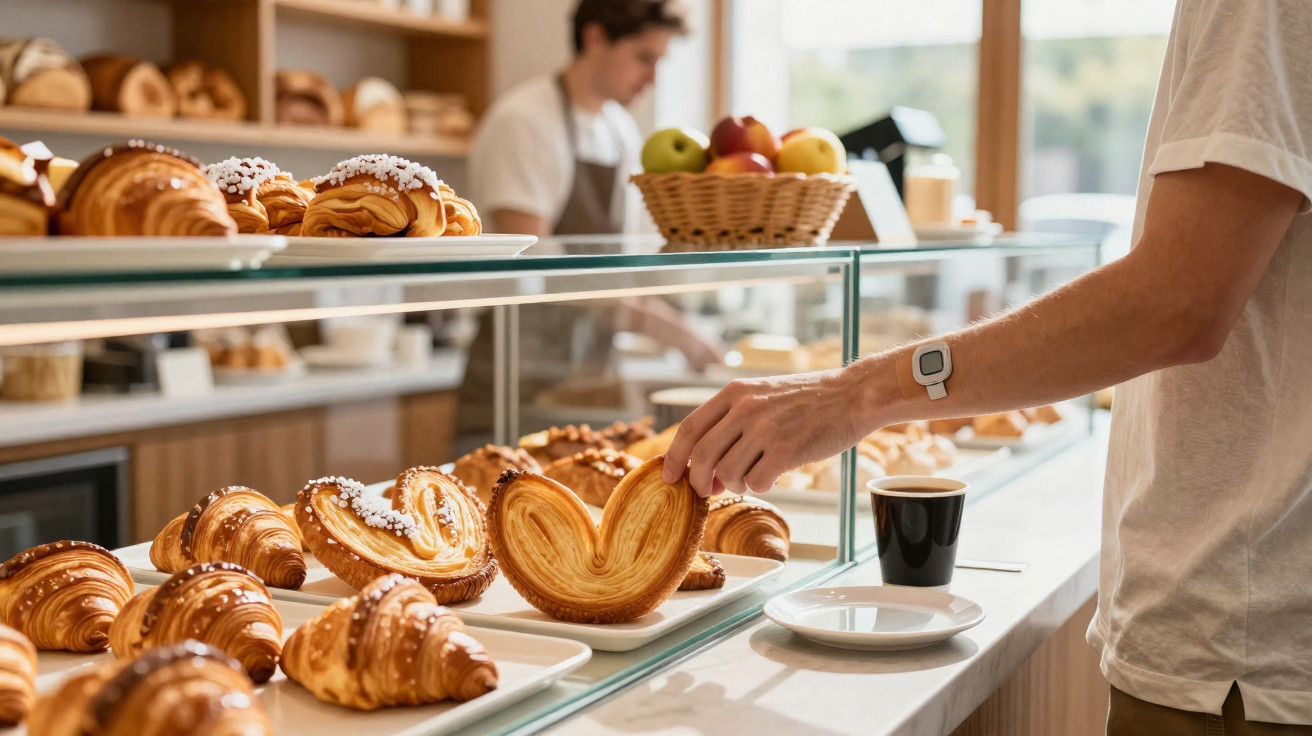
It looks innocent, has an enticing crunch and smells of butter – yet one particular bakery speciality sends blood sugar levels soaring far more than many people realise.
In the bakery display, it sits beside croissants and chocolate rolls. It may look similar and cost about the same, but its impact on calorie intake and blood sugar is entirely different. Anyone keeping an eye on their levels should choose this pastry far less often than they might expect.
The deceptively sugary bakery treat
The pastry in question is the classic Palmiere (also known as an elephant ear). Its outside is coated in glossy caramelised sugar, while the centre consists of puff pastry made with plenty of butter. It looks almost elegant: heart-shaped, golden brown and crisp – seemingly ideal with a coffee.
“On average, a Palmiere contains around 500 kilocalories and almost 34 grams of sugar – nearly twice as much energy as a plain croissant.”
For comparison, a standard croissant contains roughly 260 kilocalories. In energy terms, choosing a Palmiere instead of a croissant is almost like adding a second serving.
Why this pastry raises blood sugar levels so sharply
What makes this pastry so problematic is its combination of large amounts of butter and sugar. The dough contains substantial quantities of fat, and it is generously sprinkled with sugar before baking. In the oven, the sugar melts, caramelises and forms its shiny crust.
For the body, this combination is far from easy to handle:
- High concentration of simple sugars: The caramelised sugar enters the bloodstream very quickly.
- Rapid rise in blood sugar: Blood sugar levels shoot up soon after eating it.
- Swift counter-response: The pancreas releases a large amount of insulin to move the sugar into the cells.
- A steep drop afterwards: Blood sugar then falls sharply again, which can lead to tiredness and cravings.
This repeated rise and fall is considered taxing – not only for people with diabetes or prediabetes, but also for anyone who wants to stay focused and productive throughout the day.
How other popular pastries compare
Not every sweet pastry affects blood sugar levels in the same way. The choices at the bakery counter vary considerably, both in calories and sugar content.
| Pastry | Calories (approx.) | Key feature |
|---|---|---|
| Palmiere | ≈ 500 kcal | Very high in sugar and fat, with a strong blood sugar spike |
| Plain croissant | ≈ 260 kcal | High in fat, but comparatively low in sugar |
| Chocolate roll | 300–400 kcal depending on size | Extra sugar from the chocolate |
| Apple turnover | similarly 300–400 kcal | Sugar from fruit plus added sugar in the filling |
Filled brioches, raisin swirls and pastries topped with icing also usually contain a substantial amount of sugar – often more than people assume when making a quick choice at the counter.
Croissant rather than Palmiere: better for the blood sugar curve
Anyone who does not want to give up their morning bakery visit can make a meaningful difference by choosing differently. Nutrition specialists consider a plain butter croissant somewhat more blood-sugar-friendly than heavily sweetened options.
The reasons are straightforward:
- A croissant still contains plenty of fat and white flour, but significantly less sugar than a Palmiere.
- Its effect on blood sugar is usually somewhat less pronounced.
- The body processes its carbohydrates more slowly than pure caramelised sugar.
That does not make a croissant a “light” choice. The combination of flour and fat still provides plenty of energy. Anyone monitoring their blood sugar or body weight should view it as an occasional treat.
Making breakfast pastries a little easier to tolerate
Nobody has to avoid sweet pastries forever. What matters is frequency, portion size and what they are eaten with. A few simple measures can noticeably reduce the blood sugar rollercoaster.
Reduce the portion rather than cutting it out completely
A whole sugar-heavy pastry on an empty stomach can have a powerful effect. Half a portion eaten alongside other foods is much gentler.
- Split a Palmiere in half and share it.
- Choose a small croissant rather than an extra-large version.
- Plan sweet pastries for only certain days of the week.
Use protein and fat to slow the response
Protein and healthy fats slow down the absorption of sugar into the bloodstream. Eating a pastry as part of a combination rather than on its own can keep levels much steadier.
Suitable additions include:
- a pot of plain yoghurt or quark
- a piece of cheese or a boiled egg
- a handful of nuts or almonds
It is important that these foods remain as unsweetened as possible. Otherwise, they simply add another source of sugar.
When pastries are especially unfavourable for blood sugar
Timing matters more than many people think. A very sugary pastry first thing in the morning on a completely empty stomach will usually trigger a particularly high peak. People who already experience fluctuating levels may notice this quickly through palpitations, trembling, poor concentration or cravings.
The body tends to cope slightly better with sweet pastries:
- after a balanced meal containing plenty of vegetables and protein
- after a walk or gentle exercise
- when the day as a whole involves more movement
This does not make a Palmiere completely “healthy”, but it can make it somewhat easier for the metabolism to manage.
Why frequent blood sugar spikes can become a problem
Many people underestimate how much their daily breakfast or afternoon snack can affect them in the long term. Repeated blood sugar spikes and crashes can encourage cravings, cause fatigue and place strain on the pancreas over time.
Regularly eating very sugary pastries increases the risk of:
- weight gain from excess calories
- insulin resistance, meaning that cells respond less effectively to insulin
- prediabetes
People who already have raised levels or a family history should particularly limit how often they reach for a Palmiere and seek out more considered alternatives.
Practical alternatives at the bakery counter
A few rules of thumb can make it easier to decide at the counter in the morning:
- Better: A simple bread roll or bread with butter, cheese or nut butter
- Slightly better: A plain croissant rather than heavily sweetened pastry
- Less often: Palmiere, raisin swirls, pastries with icing or a thick filling
Wholegrain bread paired with spreads containing no added sugar keeps you full for longer and produces a flatter blood sugar curve. Choosing coffee or tea alongside it, rather than sweetened drinks, also removes another source of sugar.
How to make gradual changes step by step
A drastic change rarely works. A realistic approach is more helpful: reduce Palmieres from three times a week to once, choose a savoury breakfast on alternate occasions rather than a sweet pastry every time, and gradually add more protein and fibre to the first meal of the day.
Many people notice after just a few weeks that they experience fewer cravings, feel more stable by lunchtime and are generally more alert. The sweet bakery pastry can still have a place – simply as a consciously planned indulgence rather than an everyday routine.

















Comments
No comments yet. Be the first to comment!
Leave a Comment