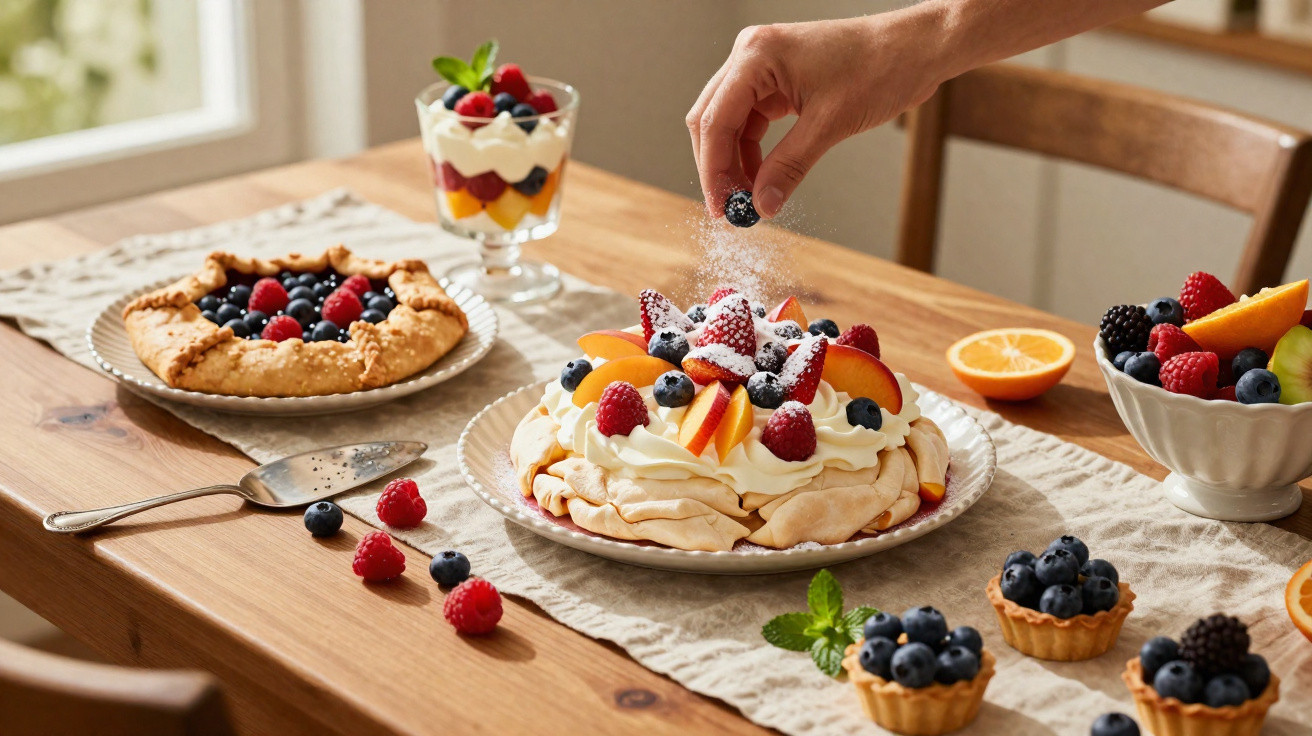
Italy’s growing appetite for berries is reaching domestic kitchens, where colour, fibre and straightforward ingredients are replacing weighty glazes. Shop figures, conversations among chefs and recipes suited to families all suggest a move towards desserts that look impressive and taste fresh without demanding hours of preparation.
A market change you can taste
According to the agricultural institute Ismea, sales of fresh berries in Italy rose by 18% in 2023. The increase has encouraged more households to make desserts centred on fruit rather than relying solely on sugar and butter. Coldiretti says that over 60% of Italian families now purchase berries at least monthly, attracted by heart-health messages as well as their ruby, indigo and garnet shades.
The trend is clear in home baking. Artisan kitchens have seen more “no-cook” and “raw-finish” cakes, in which berries remain uncooked to retain their texture and vitamins. Cooks are divided on the approach. Some favour the richer character of a slowly baked fruit layer, while others choose gleaming, whole fruit on top for a more dramatic look and fresher flavour.
Fresh berry sales +18% in 2023 (Ismea). Over 60% of households buy them monthly (Coldiretti). Looks matter, but so does fibre.
Ten speedy desserts that also decorate the table
No-bake favourites for a crowd
- Lemon-yoghurt mousse with a blueberry ripple: Set Greek yoghurt and lemon zest with a little gelatine, then fold through a swift blueberry coulis swirl.
- Raspberry panna cotta in glass jars: Infuse cream with vanilla, allow it to set, then finish with fresh raspberries and a trickle of warmed honey.
- Lighter strawberry tiramisu: Build layers of coffee-soaked sponge fingers and mascarpone loosened with yoghurt, then top with sliced strawberries.
- Frozen mango and berry slice: Blend mango with a little lime, arrange it with mixed berries in a lined tin, freeze and slice into bars.
- Citrus chia pots: Mix orange juice and zest into your chosen milk, stir in chia seeds, leave overnight to set and top with redcurrants.
Warm bakes with vivid berry finishes
- Soft olive oil cake with candied peel: Bake a delicate citrus loaf, then cover it with sliced oranges and the lightest dusting of icing sugar.
- Brown butter almond tart with blackberries: A slim frangipane layer is lifted by a generous scattering of fresh berries added when serving.
- Berry skillet clafoutis: Whisk together a light batter, bake it with cherries or mixed berries, and complete it with lemon zest.
- Shortcake stacks with macerated fruit: Halve warm shortcakes and fill them with berries lightly tossed in sugar and balsamic vinegar.
- Cornmeal cupcakes with a currant topping: The crumb’s mild grainy texture contrasts with a sharp redcurrant topping and its bold colour.
Keep bases simple. Let the fruit’s geometry do the heavy lift on presentation.
Costs, seasons and sensible swaps
Attractive fruit can come at a high price. During winter, a 125 g punnet of blueberries can cost more than €3 in many Italian retailers. Families are managing this in two main ways: using frozen fruit in sauces and fillings, and purchasing local fruit during peak season for the final topping, where looks matter most.
Buying by the season reduces the spend while improving flavour. Italian figures indicate substantial savings for shoppers who time their purchases carefully. Treat frozen fruit as a reliable fallback rather than an inferior option.
| Month | Best fruit | Indicative price €/kg (Italy) | Dessert idea |
|---|---|---|---|
| May–June | Strawberries | 3.20 | Fast tart with light custard and whole strawberries on top |
| July–August | Blueberries | 5.00 | Lemon loaf with a mosaic of fresh blueberries |
| September–October | Wild blackberries | 4.50 | Warm clafoutis completed with raw berries at the table |
| November–February | Sicilian citrus | 2.00 | Olive oil cake with orange slices and candied peel |
Buying in season can trim fruit costs by roughly a quarter compared with off-season shopping.
Health considerations without the halo
Families are seeking more than good-looking desserts. They also want lighter puddings that feel enjoyable on a weekday. Community classes supported by food associations report aiming for around 30% less refined sugar than traditional recipes, partly replacing it with fruit purées or modest quantities of local honey. This keeps desserts moist and fragrant while reducing the sharp peak of sweetness.
There are qualifications to consider. Fruit still contains naturally occurring sugars, so pairing it with protein or creamy components can help create a steadier feeling after eating. Berries provide fibre and polyphenols, while a raw finish retains vitamin C. Heat intensifies fruit flavour, making a combined method effective: bake the base for structure, then add fresh fruit to bring brightness.
Aim to cut refined sugar by about 30% by leaning on fruit purées and citrus zest rather than more syrups.
Food safety in the home kitchen
More homemade desserts also mean more food-safety considerations. Italy’s national health institute recommends keeping dairy desserts at or below 4 °C (40 °F), including panna cotta, cheesecakes and cream mousses. Cool bases promptly, add fruit shortly before serving, and refrigerate leftovers again within two hours.
Rinse berries beneath cool running water and pat them dry so water does not collect on the cake. Avoid soaking them. Use clean knives and chopping boards set aside for fruit. When a recipe calls for raw eggs, use pasteurised eggs or replace them with a cooked custard base. Date-label containers and aim to eat chilled desserts within 48–72 hours for the best texture and safety.
Keep dairy desserts below 4 °C/40 °F. Finish and chill promptly, and handle berries with dry, clean tools.
Design touches that alter flavour perception
Presentation serves more than appearance. Pastry chefs observe that the arrangement of berries can affect how sweetness and acidity are experienced. Combining tart redcurrants with sweeter blueberries creates balance in every mouthful. Triangular groupings lead the eye, while a ring of sliced citrus draws attention to the centre. A few mint leaves or basil flowers contribute fragrance without adding sugar.
Choose odd numbers of toppings and leave some negative space rather than covering every inch with fruit. If heavy glazes are being avoided, brush the crumb with warm citrus syrup to retain moisture. Grating zest over the fruit with a microplane brings fragrance and a little photographic drama.
Where people are learning and what comes next
Workshops hosted by groups including Slow Food are embracing “sustainable sweets” for families. Their teaching promotes awareness of ingredient origins, reduced refined sugar and seasonal planning. This reflects a wider cultural change: dessert is no longer simply a treat, but also a decision about sourcing and household budgets.
Retailers are reacting to demand. Larger family packs of berries are likely in peak months, alongside more frozen fruit mixes intended for sauces and coulis. Climate conditions and energy prices will continue to influence costs, meaning home bakers who work with the seasons, freeze excess fruit and use adaptable bases can reduce both spending and waste.
Two useful additions for weekday bakers
- Base rotation: Make one neutral base on Sunday, such as an olive oil loaf or almond tart shell. Change the fruit and finishing touches during the week to keep things varied.
- Freezer insurance: Store frozen berry “tiles” - coulis frozen in thin sheets. Break off a piece to stripe a mousse within seconds.
Glossary note: a “raw finish” cake has an uncooked fruit topping, offering greater colour and bite. A “no-bake” dessert sets in the fridge or freezer rather than in an oven. Each style benefits from prompt chilling, gentle handling and restraint with sweeteners.
For households balancing price, nutrition and visual appeal, the strongest approach is straightforward: bake simple bases, purchase fruit in season and arrange it deliberately. The result looks celebratory even on a Tuesday, while the receipt remains reasonable.

















Comments
No comments yet. Be the first to comment!
Leave a Comment