Shoppers are spending more than ever on small bags of chocolate chips, as a three-ingredient shortcut quietly gains traction online.
Across social media, home bakers are swapping branded chocolate chips for a homemade alternative that melts more easily, costs less and requires barely 10 minutes of hands-on preparation.
Why homemade chocolate chips are suddenly everywhere
Higher food prices have led keen bakers to examine every item on their shopping lists, with chocolate chips becoming an obvious place to cut costs. Their price per kilogram can match that of premium chocolate bars, despite many packets containing stabilisers and additives intended primarily to extend shelf life rather than improve taste.
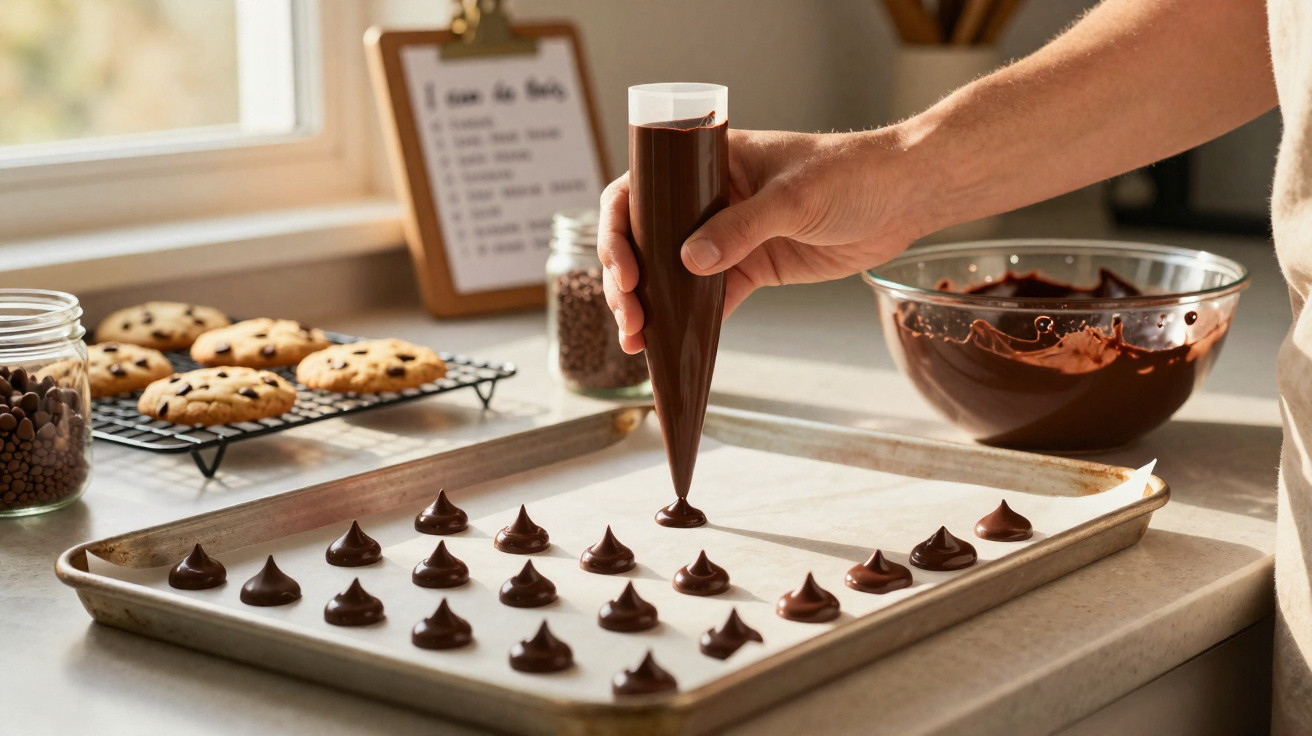
Meanwhile, short recipe videos - particularly on Instagram and TikTok - are driving demand for exceptionally simple kitchen tricks. One recent favourite is soft, shiny homemade chocolate “drops”, prepared with cocoa, fat and a sweetener before being piped and frozen.
Three core ingredients, a bowl and a freezer are enough to stock your kitchen with weeks’ worth of chocolate chips.
Popularised by creators including @yuvrajdewan on Instagram, the method is ideally suited to the modern everyday cooking trend: it is quick, affordable, adaptable and needs no specialist expertise.
The basic recipe: three ingredients and a pinch of patience
What you need for homemade chocolate chips
This viral recipe relies on cupboard basics:
- 60 g coconut oil
- 50 g unsweetened cocoa powder
- 30 g honey (or another liquid sweetener)
- 4 g vanilla extract
- 1 pinch of fine salt
A few straightforward tools are also required:
- 1 heatproof bowl
- 1 spatula or whisk
- 1 piping bag (or a freezer bag with the corner snipped off)
- Baking parchment
Step-by-step method
The process is simple and easy to follow:
- Melt the coconut oil gently until it has just turned liquid, without allowing it to sizzle.
- Whisk in the cocoa powder, honey, vanilla and salt.
- Continue beating until the mixture is smooth, thick and glossy.
- Spoon it into a piping bag.
- Pipe tiny dots on to trays lined with baking parchment.
- Freeze until set, then keep the drops in an airtight container in the freezer.
Freezing rather than baking gives each drop its final shape and makes the chocolate easier to store for weeks.
The full process, including piping, generally takes less than 20 minutes, excluding the freezing time. Once firm, the chips are ready to use directly from the freezer.
Do they really replace industrial chocolate chips?
Technically, homemade chocolate chips perform differently from their commercial counterparts. Most shop-bought chips include stabilisers such as soya lecithin, along with various fats, to help them retain their shape during baking.
These coconut-oil-based drops soften faster when heated and melt more readily in the mouth. As a result, they alter the texture of cookies and cakes.
| Feature | Store-bought chips | Homemade chips |
|---|---|---|
| Shape in the oven | Stay firm and well defined | Soften and spread slightly |
| Texture in cookies | Distinct “chunks” of chocolate | More melty pockets, less rigid bite |
| Control over ingredients | Limited, often with emulsifiers | Full control, minimal ingredients |
| Custom flavours | Restricted to what brands offer | Easy to add spices, coffee, citrus |
| Cost per batch | Higher, especially for premium brands | Lower if using bulk cocoa and oil |
For many bakers, the softer finish is actually preferable. In cookies, the drops merge into gooey streaks, while in brownies they melt into the crumb for a richer, more even chocolate flavour.
These chips act less like rigid pellets and more like controlled bursts of molten chocolate.
How to use them in everyday baking
Once prepared, the chips keep well in the freezer and can be used in any recipe requiring chocolate chunks or drops. There is no need to defrost them before adding them to batter.
Best uses for homemade chocolate chips
- Cookies: Fold a handful into the dough for particularly soft, melting centres.
- Brownies: Sprinkle them over the surface before baking to create a glossy, cracked top.
- Muffins: Stir them into vanilla or banana batter to form sweet pockets throughout.
- Pancakes and waffles: Mix a spoonful into the batter, or scatter them over the top while cooking.
- Homemade granola: Add them after the oats have cooled so the chips retain their shape.
As they soften rapidly, these chips are less appropriate for recipes requiring precise forms, such as chocolate-chip decorations that need to remain tidy on cupcakes at room temperature. In those cases, some bakers add a little finely chopped solid chocolate to make the mixture firmer.
Health, cost and control: what changes when you switch?
Making them at home does not automatically make them “healthy”, but it does offer direct control over the ingredients. You decide on the quality of cocoa, the fat used and the sweetness level.
Replacing refined sugar with honey slightly changes the nutritional profile, contributing trace minerals alongside a floral or caramel-like flavour. Coconut oil adds saturated fat, but in a measurable amount, without the uncertainty of the “vegetable oils” listed on many packets.
For people watching additives or ultra-processed foods, the ingredient list suddenly becomes something you can pronounce and recognise.
The financial benefit can also be meaningful. Purchasing cocoa powder and coconut oil in bulk often costs less per 100 grams of finished chocolate than buying branded chips, particularly premium varieties marketed to home bakers. In return, you need to give up a little time and freezer room.
Tweaks, variations and potential pitfalls
The core recipe is highly adaptable, which helps explain its viral popularity. Changing the ingredients gives the chips a different character:
- Replace honey with maple syrup or agave for a vegan option with a milder flavour.
- Include a pinch of cinnamon, cardamom or instant espresso for greater depth of flavour.
- Add slightly more sweetener for children’s baking, or reduce it for those who prefer dark chocolate.
- Mix in a spoonful of smooth nut butter for a light praline flavour.
However, first-time makers can encounter a few common problems. Coconut oil heated too much can produce a greasy consistency and a slightly cooked taste. Insufficient whisking leaves lumps of cocoa, while piping oversized drops means they take longer to set and are more likely to spread in the oven.
For reliable results, recipe developers recommend beginning with a half-batch. Bake a couple of cookies containing the chips to observe how they perform in your oven and freezer, then alter the size or cocoa ratio if necessary.
From quick hack to cooking habit
This apparently minor TikTok trend reflects a wider change in home cooking. People want convenient shortcuts, but they also want to reclaim some control from food manufacturers. Homemade chocolate chips are a small, manageable way to achieve both.
Keeping a tray of tiny chocolate dots in the freezer changes how baking feels. A rainy Sunday can quickly become a batch of cookies. Breakfast pancakes can be improved, and even a simple bowl of yoghurt can be transformed with a handful of these deeply flavoured, gently sweet chocolate chips.

















Comments
No comments yet. Be the first to comment!
Leave a Comment