The genuine saving is often hiding in plain view.
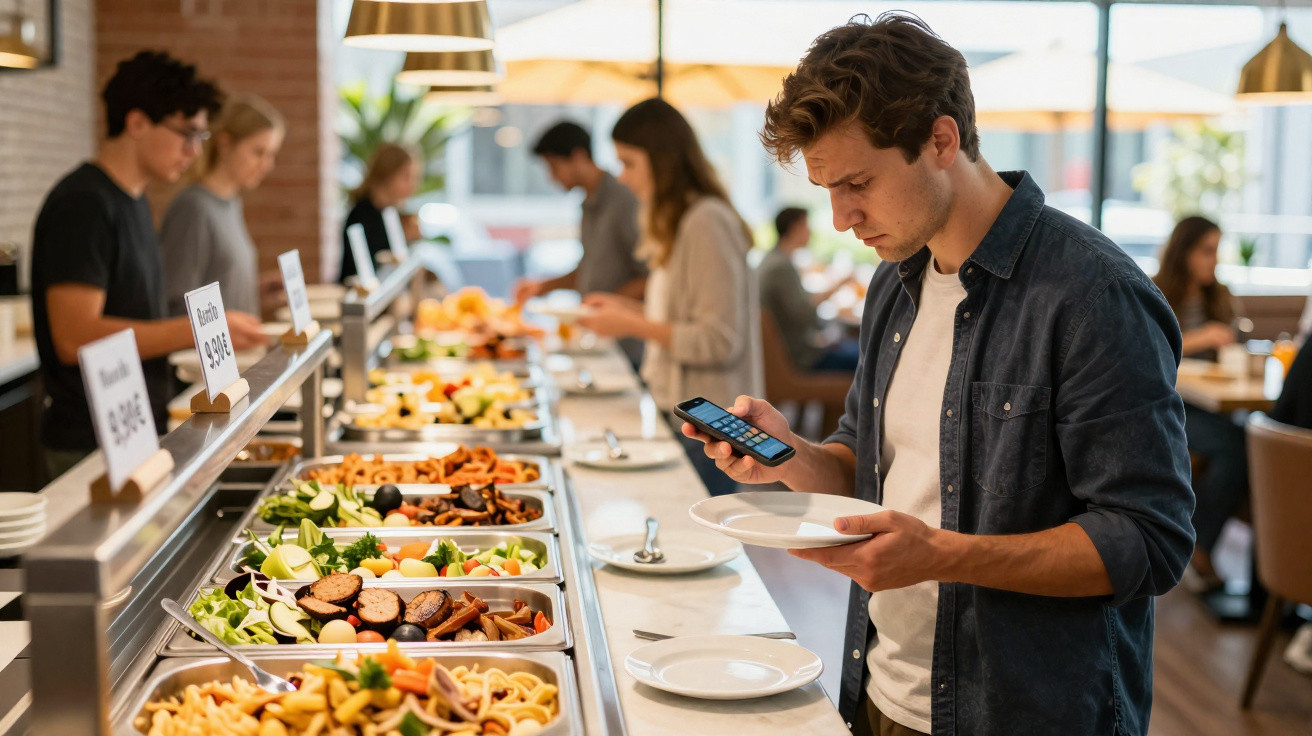
Eating at a buffet can seem like a shortcut to a good-value meal out: you get choice, certainty and a celebratory atmosphere for one set price. But whether that fixed charge genuinely saves you money depends on when you go, how hungry you are, and the pitfalls surrounding drinks and add-ons. It is not simply about the amount you can eat; it is about understanding how the format works.
Why buffets continue to attract diners
They are particularly popular with groups. Everyone pays one price, there is no uncomfortable calculation and no need to divide the bill. Parents can find something for fussy children, while friends can move between wok counters, grills and dessert stations without waiting to be served. Buffets have developed too: many now combine cuisines, include vegetarian favourites and feature live cooking stations that add to the occasion.
“Fixed price, variety, and a shared table create a sense of controlled abundance. That promise drives repeat visits.”
Their expansion is no longer limited to major cities. Smaller towns increasingly have large dining rooms built around rapid table turnover and clear pricing. This model suits an era in which people are conscious of budgets. Diners want to know what they will spend and to see obvious value, and buffets can offer both if you handle the extras carefully.
Are buffets really good value for customers?
Four factors determine the value: the entry price, the cost of drinks and extras, your actual appetite, and the time you visit. A weekday lunch is normally considerably cheaper than a weekend evening meal. Drinks frequently determine whether the numbers still stack up, and coffee is seldom included.
| Time slot | Typical buffet price | Drinks (not included) | Common policies |
|---|---|---|---|
| Weekday lunch | €14–€18 | Soft drinks €3–€6; beer €4–€8 | 90–120 minutes per table |
| Weeknight dinner | €18–€25 | Broader wine list, glass €4–€7 | More grills and desserts |
| Weekend | €22–€30 | Drink bundles, coffee extra | Busy service, faster rotation |
Set this against a casual brasserie, where two courses and drinks can cost €22–€35 a head. A buffet will usually come out ahead if you want to try several dishes while keeping add-ons under control. It is less appealing for someone who eats lightly, chooses one dish and drinks water.
“Drinks, coffees, and extras often add 20%–40% to the final bill. The “flat fee” rarely covers everything.”
A large quantity of food can distort your judgement. Filling a plate does not automatically make the meal better value. Consider what you genuinely like eating, the time of day and that day’s price point.
How buffet operators make the model pay
This business model depends on high volumes and quick service. Kitchens purchase ingredients in bulk, standardise recipes and minimise complicated presentation. Their aim is to keep dining rooms full and tables turning rapidly. Menus are carefully balanced between low-cost starters, plentiful side dishes and a small number of eye-catching options that make the meal feel special.
Managing waste is essential. Smaller trays, individual ramekins and gradual top-ups allow the buffet to appear well stocked without producing too much food. Multiple dishes may use the same core ingredients to limit leftovers. Salads draw on shared preparation, sauces are designed for several uses and meat or fish portions arrive pre-portioned.
Time is another important tool. Many venues limit diners to 90 or 120 minutes. This releases tables for new customers and supports margins within a fixed-price model. In effect, you are paying for a set period as well as the food.
Buffet quality, abundance and familiar disappointments
If the selection becomes excessively broad, quality can suffer. Standout dishes may sit beside safer, standardised choices, and regular visitors soon recognise the rotation. A well-run buffet keeps hot food properly hot, cold food properly chilled and replaces trays before their contents deteriorate.
“A good buffet serves hot hot, cold cold, and refreshes often. Temperature and turnover reveal value faster than the menu length.”
Before deciding, spend a minute looking around the room. Notice whether dishes are being emptied and replenished, whether refrigerated displays have thermometers, and whether the tongs and tray edges look well maintained.
How to get better value from your buffet visit
Choose the right time and check the small print
- Aim for weekday lunch, which is often 20%–30% less expensive than dinner.
- Look into supplements, as shellfish, steak cuts and cheese boards may cost extra.
- Check children’s prices, since age or height bands can alter the total for a family.
- Ask about time restrictions; a 90-minute limit affects the pace of the meal.
Keep control of the bill at the table
- Choose tap water where available. A soft drink each can cost almost as much as a dessert.
- Begin with small portions: sample first and return for more if you like it. Overfilled plates create waste and can leave you disappointed.
- Prioritise food you do not often prepare at home, such as cooked-to-order grills, fish or seasonal specials.
- Assemble your plates in stages. For your palate and budget alike, variety is more useful than sheer volume.
Two sample bills to set expectations
| Party | Buffet scenario | Estimated total | Comparable à la carte | Difference |
|---|---|---|---|---|
| Couple with two kids, Saturday lunch | €22 x2 adults + €10 x2 kids + 2 softs | Approx. €66 | 2 mains + 2 kids’ menus + 2 drinks | Approx. €60–€75, less variety |
| Group of six, Thursday night | €20 x6 + carafe of wine + coffees | Approx. €150 | Main + dessert + drink each | Approx. €162–€198, narrower choice |
The pattern is clear. Buffets suit groups looking for range, particularly during the week. Someone with a small appetite will often spend less on one main course and tap water.
Health and food-safety checks worth making
Ask whether allergens are clearly labelled and products are traceable. Pay attention to hot- and cold-holding temperatures, separate tongs for each tray and clean tray edges. These details are signs of the discipline behind the serving line.
Food-waste policies encourage operators to serve more intelligently. Many venues display notices asking diners not to overload plates, and some charge for substantial leftovers. Taking small amounts and returning as needed protects your budget as well as the kitchen’s food costs.
What your monthly spending reveals
Households that eat out two or three times each month can keep expenditure stable by choosing a buffet carefully, especially if children or hearty appetites are involved. Timing and drinks remain the largest influences, rather than the kilograms of food on the plate. Measure satisfaction rather than fullness alone: did you enjoy the choice, finish what you took and avoid unexpected extras?
“A buffet becomes a win when it matches what you truly want to eat, at the right moment, without forced add-ons.”
Extra tools for making smarter choices
A quick mental calculation before booking
- How many people are going, and how hungry are they? Light eaters may be better with à la carte, while large groups benefit from variety.
- What day and time are you considering? Weekday lunch generally beats weekend dinner for both price and crowd levels.
- What is the drinks plan? If beverages matter, compare drinks lists between venues.
- What is the purpose of the meal? Choose the format that matches whether you want to explore dishes or eat one substantial meal.
Add-ons that alter the calculation
Live stations, rotisseries and crêpe counters can improve the experience enough to warrant an extra €2–€3. Seasonal menus with a more focused range often maintain more consistent quality and can suit smaller appetites. The speed at which food is replaced matters more than the total number of trays: busy hot stations are preferable to huge displays left sitting out.
One final suggestion: choose a loose spending limit before entering. Decide whether you will have water or one drink, and whether coffee will be elsewhere. For a simple value check, count the dishes you truly enjoyed and would order again. If you can name three or four good choices at a weekday price, you have probably come down on the favourable side of the calculation.
For diners focused on health, begin with protein and vegetables, then try carbohydrate dishes afterwards. This approach helps maintain satiety and cuts down on waste. Families can also look for loyalty deals or early-bird times, which may include free soft drinks for children. Small decisions such as these improve the value without taking away the enjoyment of the format.











Comments
No comments yet. Be the first to comment!
Leave a Comment