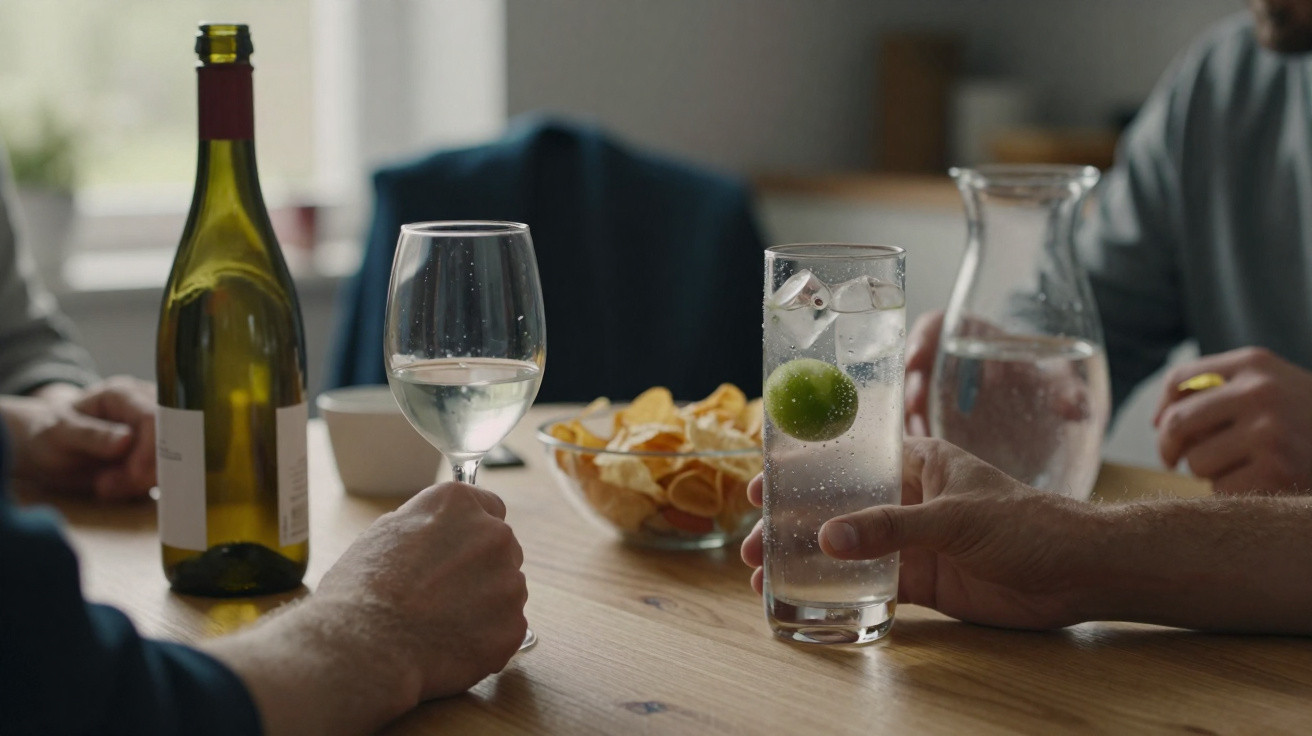
For decades, a pint after work, wine with dinner or drinks on a Saturday night could feel like the standard way to relax and socialise. That expectation is changing for some younger adults, who are more likely to see alcohol as one choice among several rather than an automatic part of every plan.
The useful takeaway is not that one generation has got drinking ‘right’ and another has got it wrong. It is that drinking can easily become tied to routine. Once you spot the triggers - work stress, boredom, social pressure or simply habit - you have more choice about what suits you, whatever your age.
The headline is simpler than real life
It is tempting to divide people neatly into drinkers and non-drinkers, or younger and older generations. Real life is more complicated.
People’s drinking habits can shift because of:
- income and the cost of going out;
- having children or caring responsibilities;
- working patterns, including commuting and working from home;
- friendship groups and dating habits;
- religious, cultural and personal values;
- concerns about sleep, fitness or medication;
- the wider availability of alcohol-free options.
Someone might drink frequently in their twenties, barely touch alcohol in their thirties, then return to regular wine with meals later on. Another person may drink moderately for years but decide that several alcohol-free nights make their week feel easier.
Drinking habits are not fixed personality traits. They are often patterns built around places, people and particular moments in the week.
It is impossible to make a reliable judgement about an entire generation from what happens in one friendship group or on social media. But for many people, alcohol now feels less central to socialising than it once did.
Why drinking can become a settled routine
Regular drinking does not necessarily mean heavy drinking. It may be a familiar glass of wine while cooking, a pub visit after a match, or a drink used to mark the end of the working day.
Over time, these habits can become attached to dependable cues. You finish a difficult call, put the children to bed, meet the same friends on Friday or settle in front of a programme. The drink becomes part of the transition from one part of the day to another.
That does not make the habit inevitable. It does explain why telling yourself to ‘have more willpower’ is not always very useful. Changing the cue, setting or replacement ritual can be more practical.
A weekday drink, for example, may be less about wanting alcohol itself than wanting a clear sign that work is over. A short walk, a proper snack, a chilled alcohol-free drink in a decent glass or ten quiet minutes with a book can create a different end-of-day marker.
More ways to say ‘no thanks’
For many younger adults, ordering a soft drink or alcohol-free beer is less likely to be treated as a big announcement. Pubs, restaurants and supermarkets commonly offer a broader range of alcohol-free beers, wines, spirits and ready-to-drink alternatives than they did in the past.
That does not mean every alternative is cheap, low in sugar or to everyone’s taste. It does mean that opting out need not feel as conspicuous as it once might have.
There is also more open conversation about poor sleep after drinking, next-day anxiety, fitness, budgeting and simply not enjoying the feeling of being drunk. These are ordinary reasons to drink less. They do not mean rejecting friends or fun.
A considerate host makes room for different choices without requiring anyone to explain themselves. Offering water, tea, soft drinks and alcohol-free choices alongside alcohol is a small gesture, but it can change the mood of a gathering.
‘Regular’ does not tell the whole story
Frequency alone cannot describe someone’s relationship with alcohol. A person who has one drink most evenings has a different pattern from someone who drinks a large amount during one night out, even if both call themselves regular drinkers.
It can help to ask a few straightforward questions:
- How many days a week do I drink?
- What usually prompts it?
- Do I find it hard to stop once I have started?
- Do I drink more than I intended?
- Does it affect my sleep, mood, money, relationships or work?
- Do I have enjoyable plans that do not involve alcohol?
This is not about applying a label to yourself. It is about replacing a vague impression with a clearer picture of what is actually happening.
A low-fuss way to review your own routine
You do not need to make a dramatic pledge to learn something about your habits. A short, honest review can be enough to reveal the moments that matter.
1. Keep a note for two typical weeks
Write down what you drink, roughly when, where and why. Include drinks at home, meals out, events and the ‘just one’ that turns into two. A note on your phone is perfectly adequate.
2. Look for repeat moments
Focus on patterns rather than judging individual days. Perhaps Thursday is always a stressful evening, or perhaps you drink mainly because there is an open bottle in the fridge.
3. Choose one change that fits your life
You could set aside a few alcohol-free evenings, alternate alcoholic drinks with water when out, buy smaller quantities, or arrange a pub lunch instead of a late session. A specific change is easier to test than a broad aim to ‘cut down’.
4. Review rather than punish yourself
If the plan did not work, ask what got in the way. Were you hungry, tired, under pressure from other people or simply unprepared? Adjust the plan for next time. The aim is a routine that works in real life, not perfection.
The most useful change is often the one that removes a decision at the point when you are tired, stressed or trying to fit in.
Make social plans less alcohol-centred
Drinking can be part of a good evening, but it does not have to be the activity itself. This can matter when friends have different budgets, responsibilities or preferences.
Build plans around something concrete, such as:
- a Sunday walk followed by coffee and cake;
- a cinema trip, gig or comedy night;
- a supper club where everyone brings a dish;
- bowling, darts, mini golf or a games night;
- a daytime museum visit or local market;
- a pub meal with a clear finish time rather than an open-ended session.
If you are hosting, put non-alcoholic options where people can see them. Serve them in proper glasses if you like. Treating these drinks as an afterthought can send a message, even when that is not intended.
Common mistakes when trying to drink less
Some approaches seem sensible at first but can make things harder later.
- Keeping alcohol as the only way to unwind. If nothing replaces the ritual, the old cue can remain powerful.
- Saving all drinking for one night. Drinking less often is not automatically lower risk if the amount consumed on one occasion rises sharply.
- Trying to match other people. Friends may drink more, less or at a different pace. Keeping up with rounds can make it difficult to notice your own limit.
- Assuming alcohol-free always means zero alcohol. Some low-alcohol and alcohol-free products contain small amounts of alcohol. Check the label if this matters to you.
- Using shame as motivation. Guilt can make people hide a pattern rather than examine it. Practical changes are generally easier to maintain.
- Forgetting food and water on a night out. Drinking on an empty stomach or rushing through rounds can make it harder to keep track of what you have had.
Keep the health and safety basics in view
UK Chief Medical Officers’ guidance advises that adults who drink regularly should not drink more than 14 units a week, to keep health risks from alcohol at a low level. The guidance also advises spreading drinking over three or more days, rather than saving it all for one occasion.
A unit is not always obvious because measures and alcohol strengths vary. Checking labels can help, and the NHS provides an alcohol unit calculator and advice on cutting down.
Do not drive after drinking, and avoid cycling or using machinery if alcohol could affect your judgement or coordination. Alcohol can interact with medicines, so check the patient information leaflet or ask a pharmacist if you are unsure. The safest approach during pregnancy is not to drink alcohol.
If you are concerned about your drinking, have symptoms such as shaking, sweating or anxiety when alcohol wears off, or feel unable to cut down, speak to a GP, pharmacist or local alcohol support service. If someone is dependent on alcohol, stopping suddenly without medical advice can be unsafe.
A better question than which generation drinks most
Instead of asking whether younger or older adults are ‘better’ at drinking, ask whether alcohol is doing the job you want it to do in your own week.
For some people, that will mean enjoying a drink occasionally and deliberately. For others, it will mean choosing alcohol-free options more often. The change in social attitudes is useful because it leaves more room for both - and can make it easier to approach a night out, a celebration or an ordinary Tuesday on your own terms.
Start with one repeat moment this week. Change the drink, change the plan or change the cue. Small adjustments can be the beginning of a less automatic relationship with alcohol.

















Comments
No comments yet. Be the first to comment!
Leave a Comment