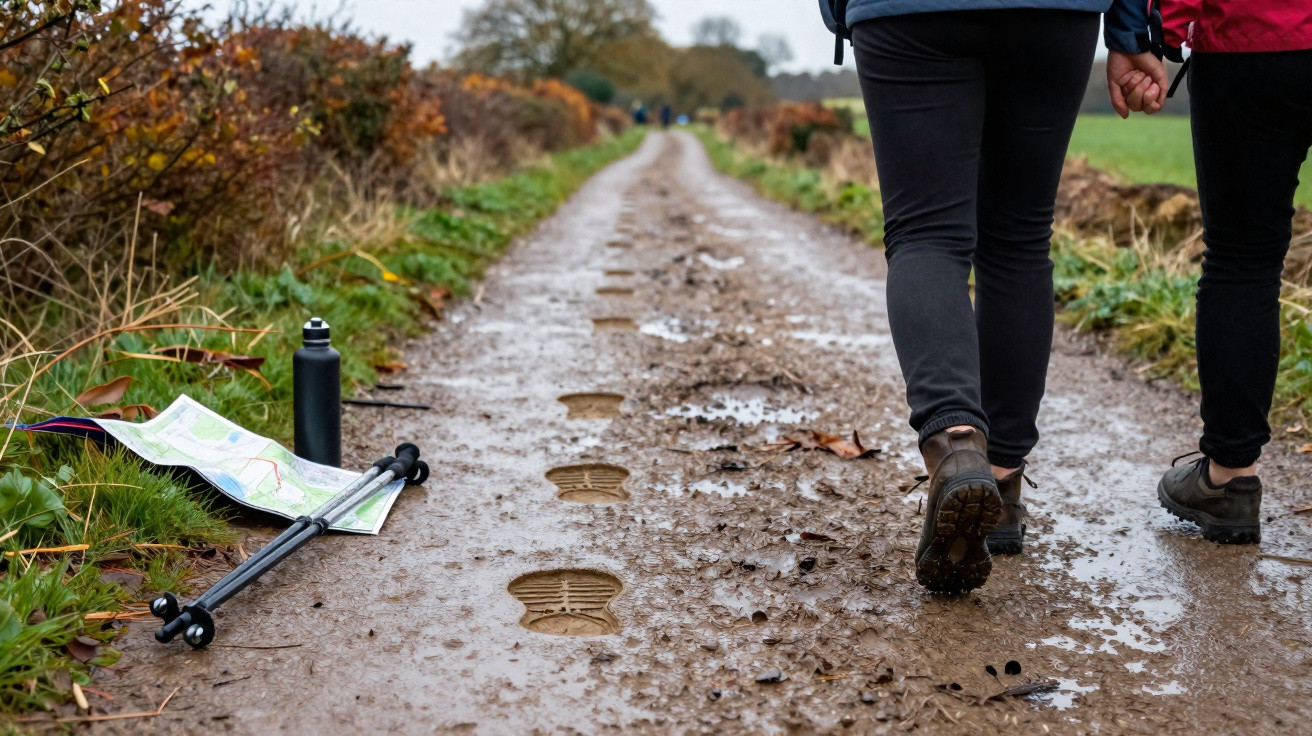
The saying “He who walks alone arrives faster, but he who walks accompanied goes further” addresses a familiar choice: should you get on with something by yourself, or involve other people and accept that it may take longer? Its central point is that independence can be efficient in the short term, while good company and cooperation can help sustain a larger goal.
It is not an instruction to avoid solitude, nor does it claim that teams are always better. Instead, it is a reminder to match the way you travel - literally or metaphorically - to the distance you hope to cover.
The plain meaning of the proverb
Taken literally, the image is straightforward. Someone walking alone can choose their pace, route and rest stops without consulting anyone else. There are no delays caused by differing needs, decisions or disagreements. For a nearby destination, they may arrive sooner.
Walking with others can require patience. A group may move at the pace of its slowest member, stop more often or need time to agree on a direction. Yet on a long or difficult journey, companions can share supplies, knowledge, encouragement and responsibility. That can make the journey more manageable and easier to continue.
The proverb contrasts speed with endurance: arriving quickly is not always the same as travelling far.
Is it really an Arabic proverb?
The saying is frequently labelled an Arabic proverb, and it is also often described as African. Its precise origin, original language and earliest wording are difficult to establish reliably, as happens with many sayings that circulate widely online and in books of quotations.
That uncertainty need not prevent people from using the phrase thoughtfully. The message is recognisable in many cultures: human connection can help people deal with challenges that are too demanding, complex or lengthy for one person to carry alone.
Rather than treating the attribution as certain, it is safer to refer to it simply as a widely shared proverb or saying. Its value lies less in where it first appeared than in the question it raises about independence, support and shared purpose.
Why going alone can be faster
The saying does not dismiss solo work. There are genuine advantages to acting alone, especially when a task is limited, familiar or time-sensitive.
Working independently can mean:
- making decisions without waiting for agreement;
- concentrating without constant meetings, messages or compromises;
- following your own standards and working rhythm;
- taking immediate responsibility for a straightforward task; and
- building confidence by doing something for yourself.
It may be quicker to draft an email, clear out a cupboard, book an appointment or complete a clearly defined piece of work without making it a group discussion. In such cases, asking too many people can add delay without contributing much.
Time alone can be valuable, too. It can offer space to think, create or recover from the demands of work and home life. The proverb is not anti-independence; it simply suggests that speed is not the only measure of success.
Why company can take you further
Long-term goals often need more than individual energy. A trusted friend, colleague, neighbour or team can offer another perspective when you are stuck, practical help when the workload grows, and motivation when enthusiasm fades.
Sharing a journey can also improve decisions. One person may spot a risk another has missed. Someone else may have useful experience, contacts or skills. Just as importantly, companionship can spread responsibility, rather than leaving one person to make every decision and absorb every setback alone.
This does not mean every group works well. A poorly organised team can waste time, while difficult company can make a journey harder. The proverb points towards meaningful cooperation, not simply having people around.
The right support does not remove the effort; it helps make the effort sustainable.
What “going further” can mean in real life
The “further” in the proverb does not have to mean more status, more money or a bigger achievement. It can mean reaching an outcome that is more lasting, more thoughtful or less exhausting.
At work, someone may complete a small task more quickly alone, while a project involving several departments needs shared planning if it is to succeed over months. In a family, one adult may manage a hectic day independently, but a dependable support network can make a difficult period more manageable.
In a friendship group or local community, one person can start an idea, but a lasting result often depends on others bringing time, skills and commitment. A residents’ litter pick, school fundraising event or amateur sports team all rely on individual initiative as well as collective effort.
The saying can also be a useful prompt to ask for help before a problem feels unmanageable. Reaching out is not necessarily a sign of failure; it can be a practical way to protect your energy and keep going.
Use it as a decision-making tool
When deciding whether to continue alone or involve others, pause and consider the nature of the journey.
1. Define the destination
Is this a quick, contained task, or a long-term ambition? If it needs continued effort, specialist knowledge or support through setbacks, involving others may matter more.
2. Consider the cost of speed
Finishing first is not always the best outcome. Rushing alone can lead to avoidable errors, exhaustion or a solution that does not last.
3. Choose companions carefully
Collaboration works best when roles are clear and people share a basic aim. Look for people who bring useful skills, honest feedback or reliable encouragement, rather than simply adding more opinions.
4. Keep your own agency
Being accompanied does not mean handing over every decision. You can seek advice, divide tasks and accept support while remaining responsible for your own choices.
5. Review the route
A task can change. A simple solo job may become too large for one person, while a group project may need one person to take a clear lead. Adjusting your approach is sensible, not inconsistent.
Common mistakes when interpreting it
A common misunderstanding is to read the proverb as an attack on being alone. It does not say that solitude is unhealthy or that independent people cannot achieve important things. Many goals need quiet focus and personal discipline.
Another mistake is assuming that any group will automatically go further. Company helps only when there is trust, respect and a workable way of making decisions. Constant conflict, unclear expectations or unequal effort can hold everyone back.
It is also unhelpful to turn the saying into pressure to remain in a friendship, relationship, group or workplace that is harmful. Support should be respectful and safe. If somebody is controlling, threatening or persistently undermining you, creating distance and seeking appropriate support may be the wiser course.
Finally, avoid treating it as a rule that applies identically to everybody. Some people have strong networks, while others may be isolated or have caring responsibilities that make collaboration difficult. The proverb is an invitation to reflect, not a reason to judge.
A brief note on support and safety
Not every problem should be managed through informal support alone. If you feel unsafe, are being threatened, or are at immediate risk, contact emergency services on 999. For non-immediate concerns, consider speaking to someone you trust or seeking specialist local advice.
Good companionship respects boundaries. It should not involve pressure to disclose private information, take risks, spend money or stay in situations that make you uncomfortable.
The lasting lesson
The strength of this saying is its balance. It recognises the appeal of doing things alone: autonomy, speed and freedom from compromise. But it also values shared effort, particularly when the road is long.
Use it as a prompt when you are tempted to carry everything yourself. Ask what needs doing quickly, what needs to last, and who might make the journey steadier. Sometimes the right choice is to walk independently; at other times, the distance becomes possible because someone walks beside you.

















Comments
No comments yet. Be the first to comment!
Leave a Comment