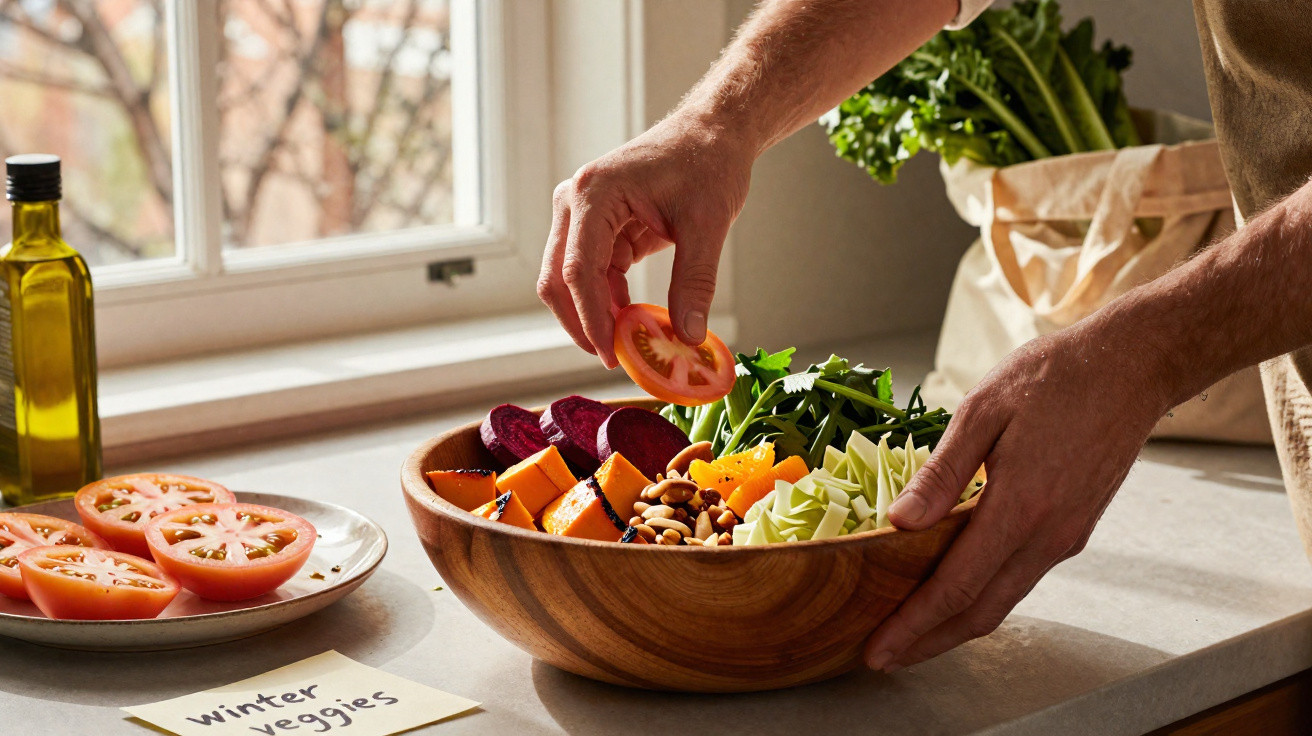
Yet one red ingredient is currently performing disastrously.
The quick lettuce salad after work is seen as an all-purpose solution: a few leaves, some raw vegetables, a dollop of dressing – and a heavy lunch suddenly feels at least partly balanced out. In most kitchens, one classic red vegetable is simply taken for granted. Right now, however, that habit is proving to be a poor choice for flavour, nutrients and the climate.
Reaching automatically for tomatoes – and why it goes wrong in winter
Hardly anyone gives it much thought while chopping a salad. Cucumber, pepper, and near the top of the list: red tomato slices. In countries such as France, consumption is around 14 kilograms per person each year – with a large share eaten outside the actual season. Tomatoes also routinely go into shopping baskets almost all year round in German-speaking countries.
The issue is that tomatoes are a classic summer vegetable. In Central Europe, the genuine outdoor-growing season runs broadly from May to September, depending on the variety and region. Before and after that period, the fruit mainly comes from:
- heated greenhouses, often within the country itself;
- imported produce from southern Europe or North Africa;
- intensive large-scale production geared towards yield rather than flavour.
To ensure the fruit withstands lengthy transport and storage, growers harvest it very early – often while it is still partly unripe and firm. It then ripens not in the sunshine, but in lorries and warehouses.
What ends up in the bowl: watery, pale and disappointing
Anyone being honest knows the outcome: winter tomatoes in a salad often taste of virtually nothing. The pieces are pale and slightly pink, with plenty of water but little aroma. Some have a floury or rubbery texture inside.
The supposedly fresh splash of colour makes the bowl look attractive, but contributes very little in flavour to an evening salad.
There is more to it than that: many people store tomatoes in the fridge because it seems convenient. Cold temperatures, however, damage their aromatic compounds and make their texture even more watery. Anyone who has tasted a sun-ripened outdoor tomato straight from the plant at the height of summer will notice the unforgiving difference. That experience can barely be recreated with typical winter produce – no matter how much salt and balsamic vinegar is added.
Fewer vitamins, a higher price – the misleading promise of “light and healthy”
The poor bargain does not stop with flavour. Analyses show that out-of-season tomatoes contain considerably fewer valuable nutrients than ripe outdoor-grown fruit in high summer. Typical differences include:
- around half as much vitamin C;
- fewer natural sugars that create sweetness;
- lower levels of polyphenols, which are plant compounds.
These are precisely the substances that normally make tomatoes so appealing in a health-conscious diet. In winter, then, shoppers get a pale imitation – similar in appearance but lacking in substance.
At the same time, prices rise at the supermarket checkout. During the outdoor-growing season, supply is plentiful and prices come under pressure. In winter, many tomatoes are produced in energy-intensive facilities or travel through long supply chains. As a result, a kilogram in January or February can cost up to three times as much as in August – despite having substantially lower nutritional value.
Paying more for less flavour and fewer nutrients: winter tomatoes are often a poor deal for a light evening salad.
Climate knockout: why winter tomatoes weigh on the conscience
Salad is considered the epitome of climate-friendly food. With seasonal produce, that is often true. For tomatoes in the colder months, though, the balance quickly changes. According to data from the French environmental agency ADEME, tomatoes from heated greenhouses or distant regions create considerably more greenhouse-gas emissions than seasonal outdoor-grown produce.
The estimates are striking: an out-of-season tomato can cause four to eight times as many emissions as a regional summer tomato. Calculated per kilogram, buying them in the depths of winter roughly equates to driving a car for around 12 kilometres.
That may not sound like much, but it adds up: anyone brightening every second or third salad serving with this fruit throughout the year quietly creates a sizeable CO₂ burden – for minimal extra benefit on the plate.
These alternatives make an evening salad more colourful – without tomatoes
The good news is that nobody has to give up a filling, colourful bowl simply because tomatoes are out of season. The colder months offer plenty of fresh and storable varieties that are at their best when eaten raw.
Seasonal vegetable stars for a winter salad
- Carrots: finely grated with a little lemon juice and oil, they add sweetness, crunch and colour.
- Beetroot: finely sliced raw or pre-cooked and diced, it provides earthiness, fullness and a deep red colour.
- Red cabbage: thinly sliced, it marinates quickly while adding crunch and fibre.
- Radishes: their peppery slices bring freshness and make every bowl more lively.
- Leeks or spring onions: finely chopped, they add savoury sharpness without feeling heavy.
Adding fruit can easily create an appealing balance of sweetness and acidity:
- orange segments;
- apple slices with a little lemon juice;
- thin slices of pear.
Turning “just salad” into a complete evening meal
Many people underestimate how quickly a generous bowl of green leaves can become a full meal. Three simple building blocks help:
| Building block | Examples | Effect |
|---|---|---|
| Protein | Lentils, chickpeas, eggs, feta, goat’s cheese | Keeps you full and stabilises blood sugar |
| Healthy fats | Olive oil, rapeseed oil, nuts, seeds, avocado | Provides flavour and improves nutrient absorption |
| Fibre | Wholegrain croutons, pulses, cabbage, raw vegetables | Provides lasting fullness and supports digestion |
One example is leaf salad with strips of red cabbage, grated carrot, warm lentils, half a hard-boiled egg and a handful of walnuts. Add a tablespoon of olive oil, a little vinegar, mustard, salt and pepper. The result is an evening meal that keeps you satisfied for a long time – entirely without a winter tomato.
How to get the most from tomatoes in summer
Of course, nobody needs to give up tomatoes altogether. When they are in season, they belong on every plate. Anyone buying them again from May can keep a few points in mind:
- buy from a local grower where possible;
- choose sun-ripened produce rather than fruit that is too firm;
- do not store tomatoes in the fridge; keep them at room temperature instead;
- use ripe tomatoes promptly rather than leaving them for days.
This means salads can once again include flavourful pieces worthy of the name – with a much better nutrient density and a noticeably smaller footprint.
Why taking a seasonal view of the salad bowl is worthwhile
Anyone who plans their evening salad consciously benefits in several ways: flavour improves, health benefits too, and the climate impact becomes far greener. The red tomato only needs to take a break for a few months.
One simple selection trick helps: when in doubt, ask whether a vegetable is genuinely coming from a local field at that time, or from heated growing facilities. In winter, cabbage, root vegetables, stored apples and citrus fruit are typically good choices; in summer, tomatoes, peppers, cucumbers and berries take their turn.
Those who gradually learn to trust this instinct need neither complicated CO₂ calculators nor lengthy ingredient lists. The evening salad remains light, tastes more intense – and genuinely delivers the good feeling it promises.














Comments
No comments yet. Be the first to comment!
Leave a Comment