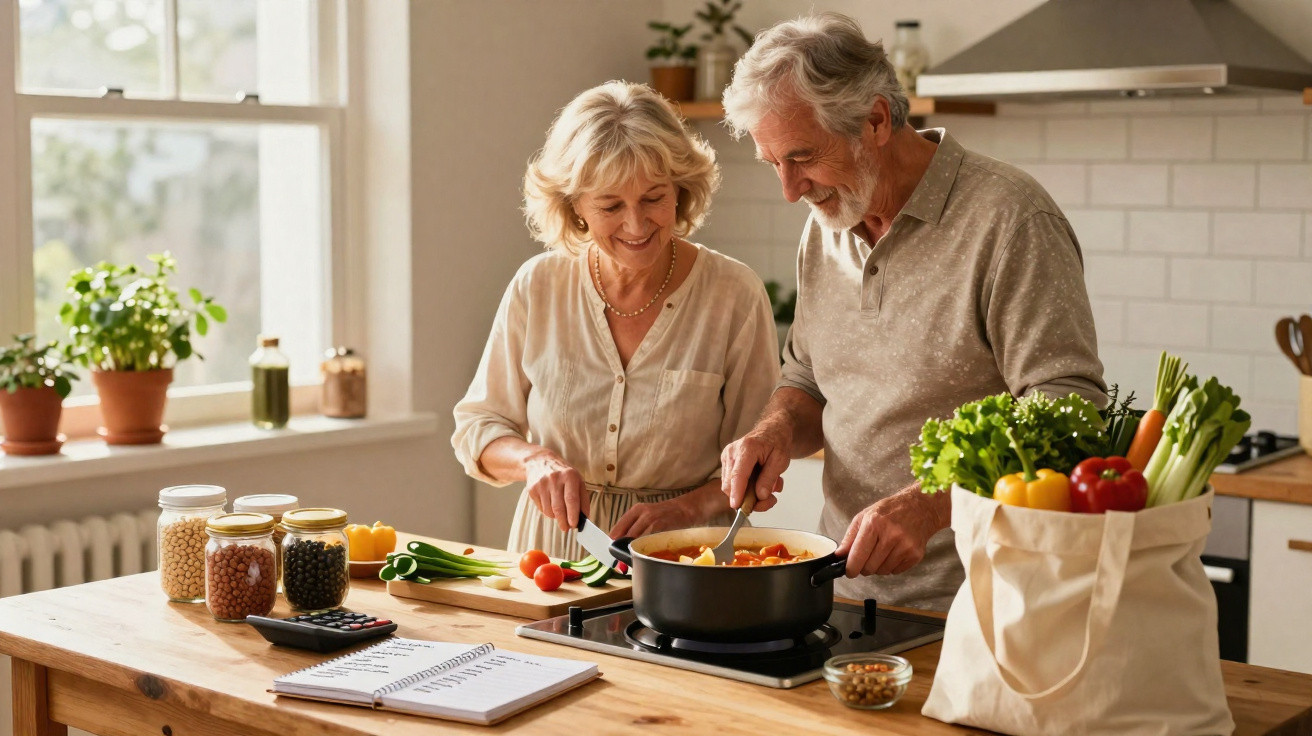
This article explores how some people successfully combine frugality with enjoyment, using the inspiring example of Michel, a 72-year-old retiree.
Strategies for saving money on food
Meal planning and budgeting
Since retiring and living alone, Michel quickly realised how essential it is to plan meals and set a budget.
“The key is planning. I check what I already have, plan my meals for the week and then write a precise shopping list,” he explains.
“Using this method means I buy only what I genuinely need and avoid impulse purchases that push up the bill.”
Smart shopping
Michel also looks out for discounted products and uses apps to keep track of the best offers at local supermarkets. He favours seasonal produce and lesser-known brands, which are often cheaper while offering the same quality.
Making the most of available resources
Cooking from scratch
For Michel, cooking at home is another cornerstone of saving money on food. As well as costing less, it allows him to control the ingredients, which is beneficial for his health.
“I make almost everything myself: bread, stews and even cakes. That way, I know exactly what I’m eating while also reducing waste,” he says.
Shared meals
Michel also belongs to a neighbourhood meal-sharing group. Once a week, he meets other retirees to cook together. Everyone contributes one ingredient, and they prepare a meal as a group.
“It brings more variety to the menu, puts new recipes on the table and lets you enjoy a lovely time in good company,” Michel says.
Benefits beyond saving money
Social connections and wellbeing
Michel’s initiatives do more than reduce his food costs: they also support his mental wellbeing. Meeting others and cooking together builds a sense of community and helps counter the loneliness experienced by many older people.
Environmental impact
By buying local and seasonal products, Michel also helps to reduce his carbon footprint.
“I feel good knowing that I’m doing something positive for the planet,” he adds.
Further information
Anyone wishing to follow Michel’s example should begin by reviewing their current eating habits and identifying opportunities to save. Taking part in cookery classes or meal-sharing groups can be an excellent starting point.
These practices are not only economical but also beneficial for health, as they encourage people to eat fresh, less processed food. The social element should not be underestimated either: it plays a crucial role in the morale and mental health of older people.

















Comments
No comments yet. Be the first to comment!
Leave a Comment