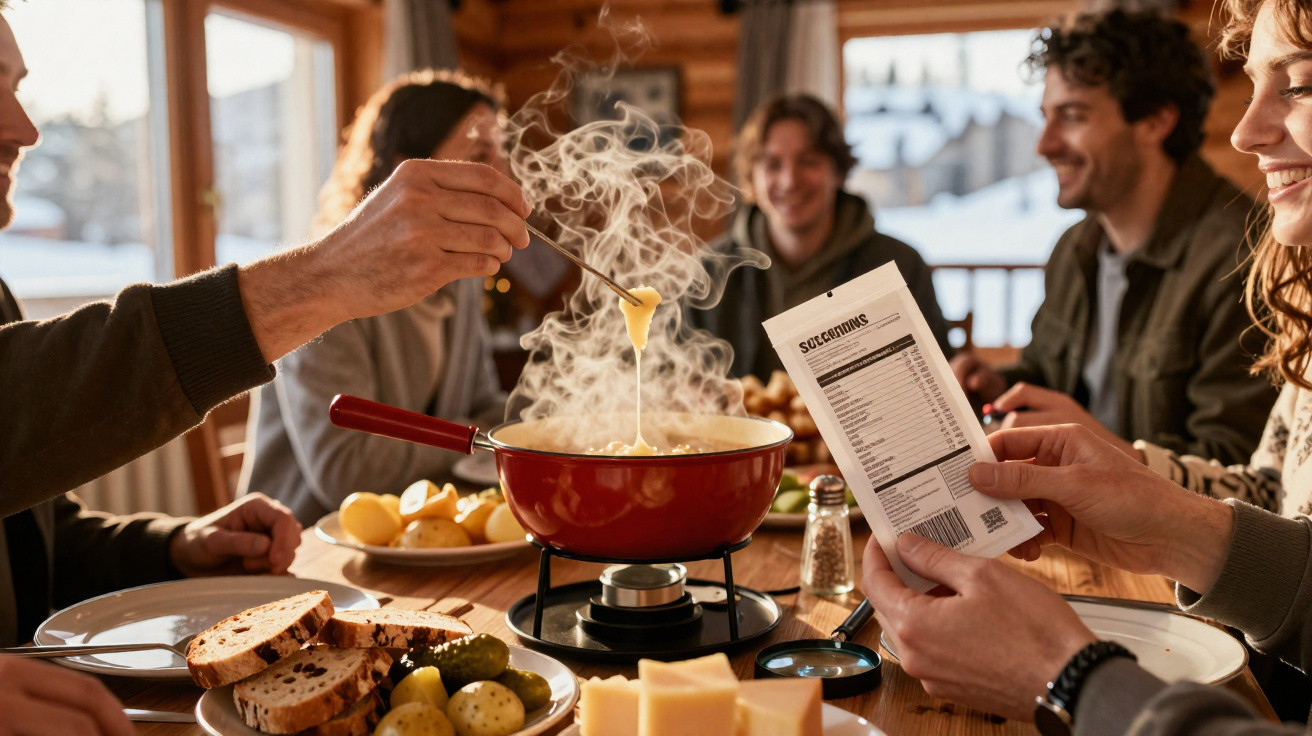
Winter comfort food can seem innocent, even nourishing… until you examine it more closely.
The season’s first raclette or steaming fondue can appear to be the ideal response to dark afternoons and chilly nights. The table shines, glasses are raised and the cheese pulls into long strands. Behind this picture-perfect scene, however, is a small factor that can quietly alter the health effects of the entire meal. Nutrition specialists pay close attention to it, although most diners overlook it.
The hidden threat sitting quietly in the cheese
Why melted cheese can become a salt bomb
Raclette and fondue share the same key ingredient: cheese with a pleasing melt. The issue is that these cheeses tend to contain substantial amounts of salt. Salt contributes flavour, while also preserving the cheese and influencing its texture. As a result, every slice or cube can contain more sodium than people expect.
In theory, a raclette meal is straightforward: cheese, potatoes, pickles and perhaps cured meat. In reality, it creates a stack of salty foods. Cheese provides the first hit, ham or salami brings more, and bread and pickles add further salt. You do not register each gram separately; your taste buds are occupied with warmth and comfort rather than figures.
Raclette and fondue feel indulgent because of the fat, but nutritionists worry far more about the salt that comes with it.
The numbers that change how you see your plate
Typical raclette cheese contains between 1.5 g and 3 g of salt per 100 g. That spread is revealing: two cheeses that appear almost the same on the table may differ greatly when you read their labels.
Consider the portions people actually eat. During a raclette evening, an adult can easily consume 150 to 200 g of cheese without noticing. This may amount to:
- Low end (1.5 g/100 g): around 2.25–3 g of salt
- High end (3 g/100 g): around 4.5–6 g of salt
At the top of this range, the cheese alone can meet or even go beyond the recommended daily salt intake for a healthy adult. Once cured meats, bread and pickles are included, the total rises quickly.
A raclette or fondue night can compress an entire day’s salt allowance into a couple of relaxed hours around the table.
Why winter cheese nights make nutritionists uneasy
Salt’s quiet impact on blood pressure and long-term health
Salt is not harmful in the manner of a poison from one meal alone. The issue is repeated consumption and the cumulative effect. A high sodium intake promotes fluid retention, increases blood pressure and places added pressure on the heart and blood vessels. In time, this pattern is linked with greater risks of heart disease, stroke and kidney problems.
Experts are less concerned about an occasional fondue than about the winter routine that some households develop: raclette one weekend, fondue the following weekend, alongside salty meals during the week. Any one meal may appear harmless, but the pattern across a season presents a different picture.
Raclette, fondue, reblochon: all cheese, not the same impact
Replacing raclette cheese with another cheese that melts well will not necessarily address the issue. Reblochon, for instance, is a creamy popular choice for baked dishes, yet it often contains 2–2.5 g of salt per 100 g. This can match or surpass certain raclette cheeses. Industrial “raclette” blocks commonly contain close to, or more than, 3 g of salt per 100 g.
| Cheese type | Typical salt (per 100 g) | Comment |
|---|---|---|
| Industrial raclette cheese | 2.5–3 g | Melts well, often the saltiest option |
| Traditional raclette (farmhouse) | 1.3–1.8 g | Can be less salty, varies by producer |
| Reblochon-style cheese | 2–2.5 g | Creamy, but still quite salty |
| Mild tomme or young pressed cheese | 1–1.5 g | Often a better choice for salt |
The difference per 100 g might appear modest, but it becomes significant across an entire meal. For this reason, dietitians see the cheese selected as a key decision rather than a minor detail.
The label trick that can rescue your winter dinners
How one line on the packet changes the whole evening
The most important action is also one many shoppers miss: checking the nutrition label before buying the cheese. Two packs with almost identical shapes, appeal and prices can contain very different sodium levels.
Between 1.3 g and 3 g of salt per 100 g, the difference on paper looks small. On your blood pressure, it does not.
When selecting cheese for raclette or fondue, look at the “salt” entry rather than focusing only on fat or calories. Where possible, choose products containing under 1.5 g per 100 g, particularly if portions are likely to be generous. If several raclette cheese brands are available at your supermarket, compare at least two or three. This brief check can reduce the salt content of the finished meal by almost half, without changing either the tradition or the atmosphere.
What nutritionists recommend when standing at the cheese counter
Dietitians who also enjoy these dishes commonly follow several straightforward principles:
- Check the salt content first, before considering fat content.
- Choose traditional or farmhouse cheeses with a clearly declared lower salt level where available.
- Combine one saltier, more flavoursome cheese with a milder option, allowing everyone to balance their own plate.
- Steer clear of “extra-tasty” or strongly flavoured industrial blocks, which frequently depend on more sodium.
The intention is not to make food shopping feel like a maths exercise, but to sidestep the saltiest choices with very little effort.
Designing a raclette or fondue that still feels festive
Building a smarter platter without killing the mood
A winter cheese meal can still be enjoyable while putting less strain on your cardiovascular system. Cheese does not need to account for the entire meal. The table is more effective when it feels abundant without relying solely on salty foods.
Nutrition professionals often advise offsetting the salty elements with fresh, colourful accompaniments. This keeps plates looking full, encourages a slower eating pace and naturally lowers the amount of cheese eaten per person.
- Put out a large bowl of green salad with a light dressing at the beginning, rather than treating it as an afterthought.
- Serve steamed or roasted broccoli, mushrooms, leeks, carrots or cauliflower alongside the potatoes.
- Select lower-salt charcuterie, such as plain roast ham instead of heavily smoked or cured varieties.
- Do not add extra salt to the potatoes; the cheese supplies sufficient flavour.
- Leave pickles on the table, but promote small servings, as their brine contributes another source of sodium.
When vegetables share the spotlight with cheese, guests still feel spoiled, but your arteries breathe a little easier.
Portions, pace, and how to keep control without counting
Carefully weighing and tracking food at a raclette evening would undermine the enjoyment, so nutritionists favour more adaptable prompts. A frequent approach is to consider “slices per pan” rather than grams. Many practitioners recommend roughly two to three small slices of cheese per round, then pausing for salad or vegetables.
Another useful approach is to decide beforehand how many cheese top-ups will be served. Saying “this is the last pan” creates a natural finish point and avoids continual refilling. Diners spend more time chatting, eat slightly more slowly and often feel equally satisfied with less food overall.
Fondue-specific traps many people ignore
When bread, wine and cheese team up
Fondue has its own hidden-salt pattern. The cheese blend will usually contain two or three assertive, salty cheeses. Bread cubes for dipping are rarely salt-free. Although white wine is low in sodium, it can encourage longer, more animated meals in which people continue dipping almost automatically.
The repeated action-skewer, dip, eat, repeat-can allow portions to increase without being noticed. A bread basket that seems modest at the start may be empty by the end, along with hundreds of grams of cheese. Here too, providing another bowl of items for dipping, such as blanched cauliflower or small potatoes, can quietly lower bread consumption and total sodium intake.
What this means for the rest of your week
Balancing a salty evening with the days around it
A single meal high in salt will not determine your health profile. What matters is how your remaining meals respond to it. Many dietitians approach raclette and fondue nights as social occasions comparable to a large restaurant meal: something worth accounting for.
If you know a rich cheese meal is planned, it is possible to reduce your sodium intake earlier that day and on the following day. This could involve:
- Avoiding processed meats and ready-made sauces for 24–48 hours around the occasion.
- Using herbs, spices and lemon rather than salt during that period.
- Drinking sufficient water to help the body manage the additional sodium.
This “buffer” strategy does not remove the salt, but it makes it less likely that one celebratory meal will be added to several already high-salt days.
Using raclette as a starting point for better food habits
Focusing on the salt in raclette and fondue can bring an additional benefit: people may begin reading labels on other products too. Once you see how widely values differ between brands, you may inspect bread, tinned soups, sauces and snacks more carefully. Salt is concealed in many everyday foods well beyond the cheese counter.
Some nutritionists even use these winter meals as practical examples in consultations when discussing sodium, portion sizes and shared eating. A raclette platter can become a small-scale experiment in which families try different habits: more vegetables, more informed choices, fewer refills and the same warm, easy-going evening. As time passes, these modest changes can extend beyond winter and influence eating patterns throughout the rest of the year.

















Comments
No comments yet. Be the first to comment!
Leave a Comment