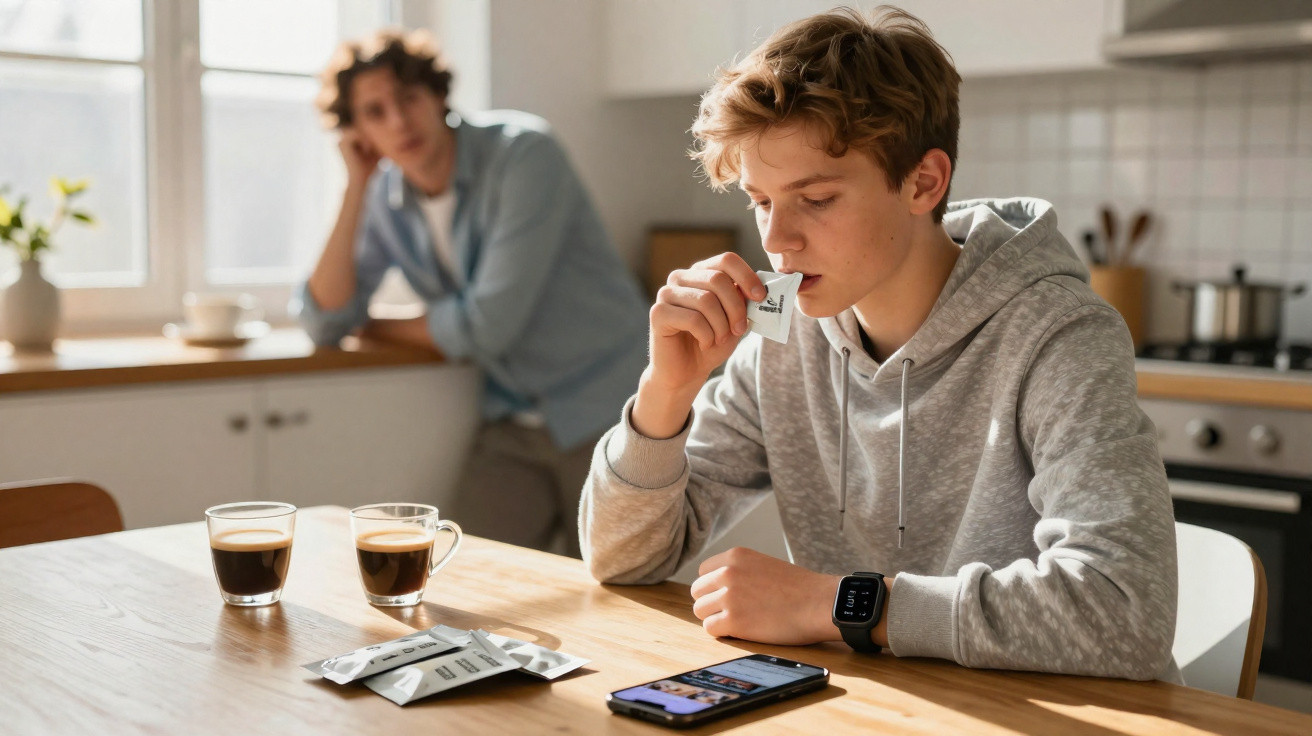
A fresh caffeine trend is taking off on social media – and it does not involve a kettle. Caffeine pouches claim to provide a quick, unobtrusive energy boost, without the bother of making coffee or opening an energy drink.
Although they can seem like an innocent way to perk up, specialists caution that they present genuine risks, particularly for teenagers and people with existing health conditions.
Caffeine pouches closely resemble nicotine pouches or snus in both appearance and use. These small, pillow-like sachets contain finely ground caffeine, flavourings and, in some cases, herbs or vitamins.
Placed beneath the lip, a pouch delivers caffeine directly into the bloodstream through the gums, avoiding the digestive system. This produces an energy surge far sooner than drinking a cup of coffee or tea.
Caffeine makes us feel more alert by blocking adenosine, a brain chemical associated with sleepiness. For years, people have relied on coffee, tea and energy drinks to remain awake, improve concentration and enhance performance. Pouches are simply a spill-free, hands-free alternative.
Some people working shifts and those who go to the gym appreciate their practicality, while athletes may favour caffeine because it can improve endurance by causing the brain to perceive less tiredness and pain.
Their subtle format is also appealing to teenagers, who might use them to remain alert at school or while revising for exams. This concerns experts: some believe caffeine pouches may act as a route towards nicotine or other stimulants, while certain young people are already combining them with nicotine pouches and therefore doubling their stimulant intake.
TikTok has accelerated their rise, with influencers featuring them in classrooms, gyms and gaming sessions.
Caffeine pouches: potent small packets
According to the brand, a single pouch can contain from 25mg to more than 200mg of caffeine. By comparison, an average mug of instant coffee has around 100mg, a mug of tea contains 75mg and a can of cola has roughly 40mg. Some pouches can therefore provide the equivalent caffeine hit of two cups of coffee at once.
So, what amount is excessive? Healthy adults are advised to limit their daily caffeine intake to around 400mg. Pregnant women should consume less than 200mg each day, as higher amounts may raise the likelihood of complications including low birth weight or pregnancy loss.
There is limited evidence on safe caffeine levels for children, although the European Food Safety Authority advises a lower maximum of 3mg of caffeine per kilogram of body weight – approximately 45–150mg per day depending on a child's age and size. Because their bodies are smaller and still developing, children are more susceptible to caffeine's effects.
One pouch containing 200mg of caffeine could readily take a teenager far above that threshold. Since caffeine is absorbed so rapidly, adverse effects including shakiness, anxiety, sleeplessness and heart palpitations may also be more intense.
While caffeine can provide a brief lift, it may disrupt sleep, fuel a pattern of exhaustion and result in dependence.
Who faces the greatest risk
For most adults, moderate caffeine consumption is usually safe, but some groups are more at risk. People with mental health conditions may be particularly sensitive to its effects.
By preventing adenosine from working and increasing dopamine activity, caffeine may aggravate anxiety or psychosis. It may also raise the chance of relapse in conditions including schizophrenia or bipolar disorder.
Caffeine can additionally make other addictive substances seem more rewarding, which could potentially steer people towards substance use disorders. Research is not yet sufficiently clear to establish a safe limit for these groups.
People with heart conditions should take care too. Caffeine can temporarily increase both heart rate and blood pressure, placing additional strain on the heart. Some individuals develop palpitations, while athletes who combine large amounts of caffeine with strenuous exercise could have a greater risk of heart problems.
Severe incidents are uncommon, but caffeine-related deaths have been recorded, generally involving supplements or highly concentrated products. They illustrate the strength of this widely used stimulant.
A regulatory gap for caffeine pouches
In the UK, caffeine pouches fall into a legal grey area. As they are classed as neither food nor medicine, they do not undergo the standard safety assessments or labelling requirements. Consumers cannot always know how much caffeine they are taking, or which other ingredients may have been added.
Health specialists are urging clearer warnings and age limits, especially because many companies use fruit flavours and colourful packaging intended to attract younger buyers.
Caffeine pouches may be popular and practical, but their fast absorption and high strength mean it is easy to exceed safe amounts, particularly for teenagers. Using one occasionally may not cause harm for most adults, but they are not a risk-free replacement for coffee or tea.
As with any stimulant, moderation is not merely advisable; it is essential.
Dipa Kamdar, Senior Lecturer in Pharmacy Practice, Kingston University
This article is republished from The Conversation under a Creative Commons license. Read the original article.

















Comments
No comments yet. Be the first to comment!
Leave a Comment